
When supper starts after the commute
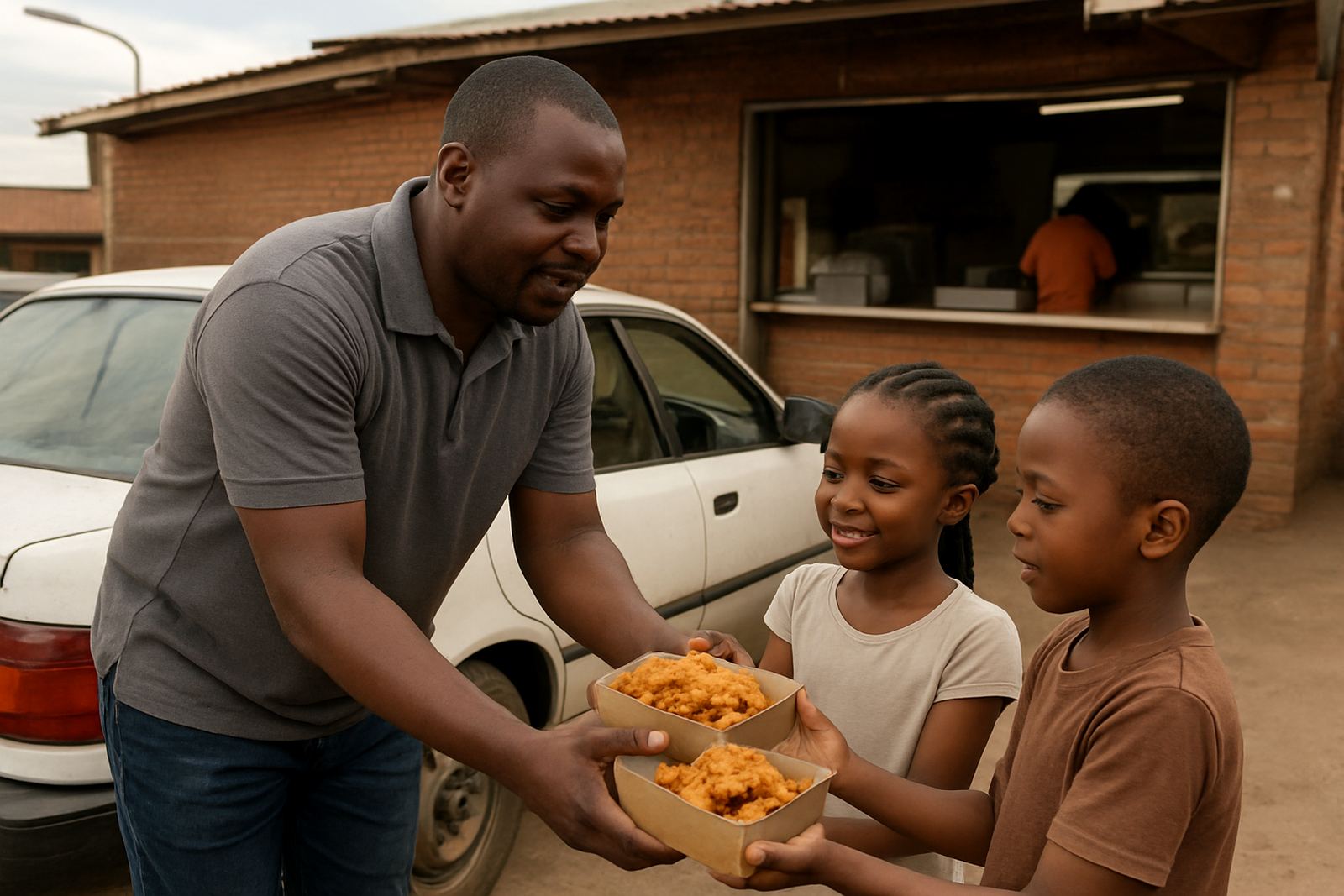
In Soweto, many supper orders come in when people are still on taxis, leaving offices, or collecting children from activities. By the time they reach Orlando West, Diepkloof or Protea Glen, they want something hot, filling and ready to go. That is the real use case for late evening suppers: fast collection, less waiting and food that stays crisp enough for the ride home.
This service suits customers who do not want to cook after a long day, but still want proper food instead of a rushed snack. It also helps on nights when load-shedding has disturbed home cooking or when a family meal has to be sorted quickly, with no fuss.
Typical kitchen equipment for evening service
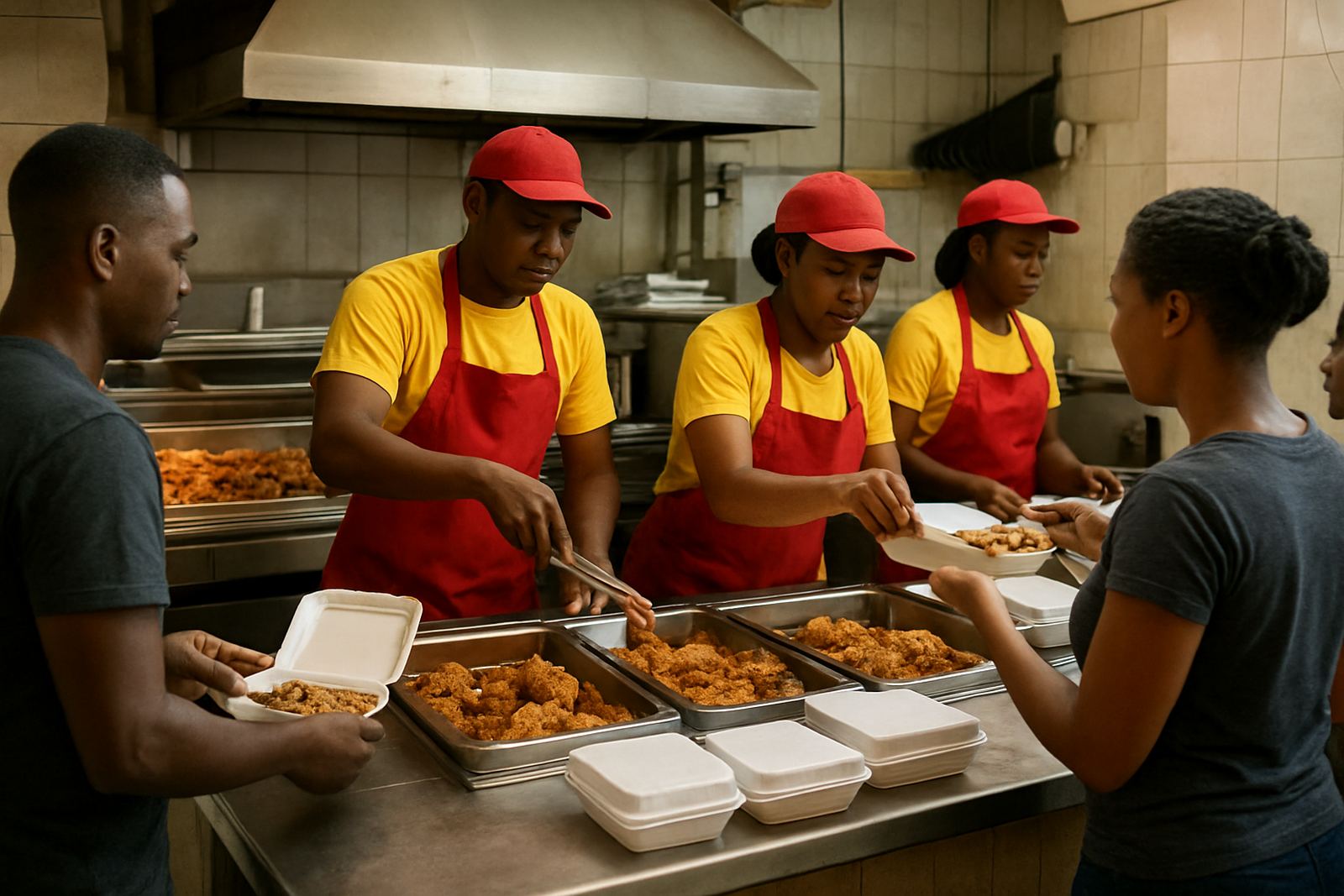
A late evening setup needs equipment that keeps pace without making the line messy. The kitchen should have stable frying capacity, a warm holding area and packing space that stays clear during rushes. In practice, that means one or two frying stations, oil strainers, heat holding equipment, prep tables and storage for clean cartons, cups and takeaway bags.
- High-capacity frying pots or commercial fryers for steady batch cooking
- Oil filtration or straining equipment to keep flavour cleaner through the shift
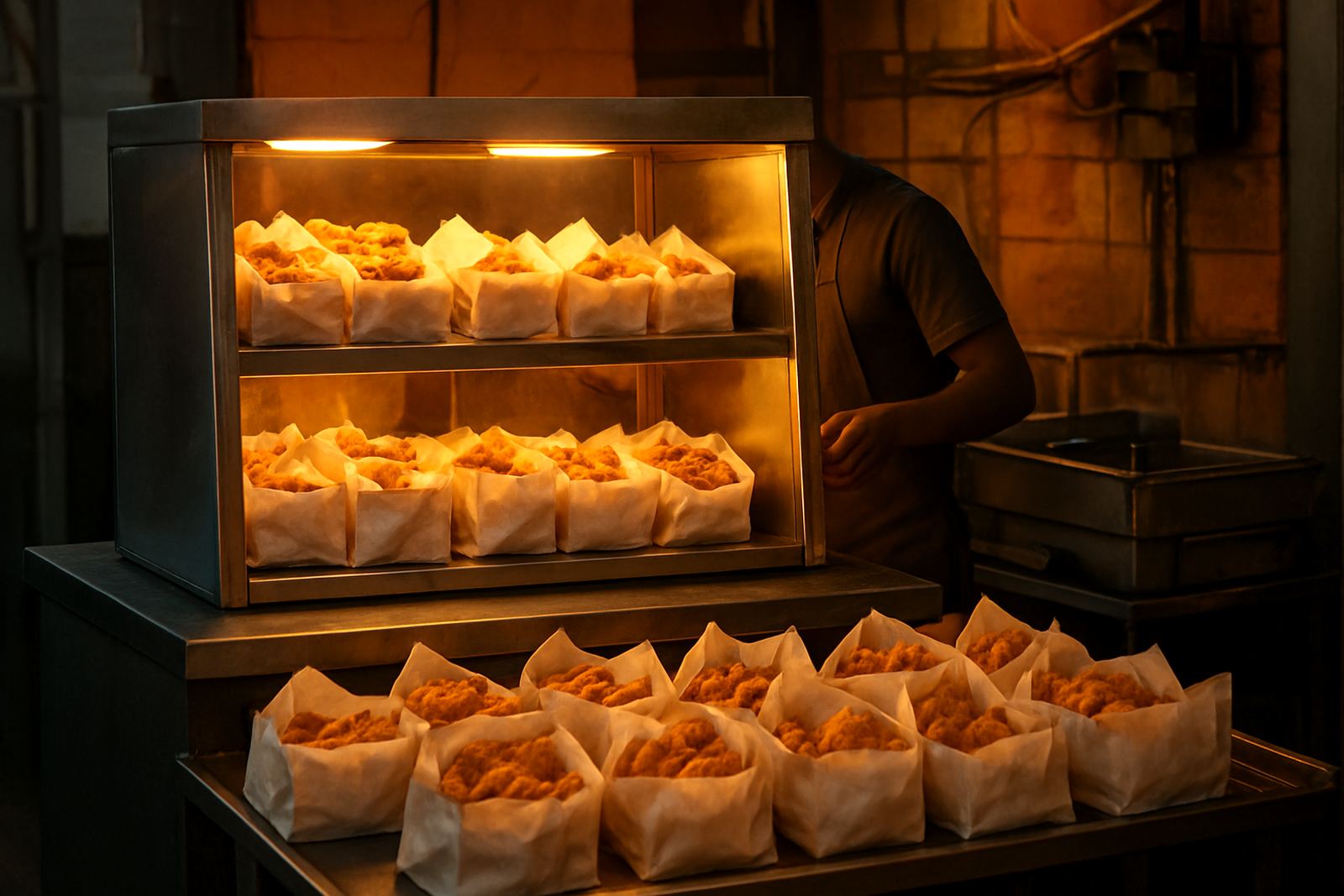
- Heat lamps or insulated holding units for short waiting periods
- Prep tables for seasoning, boxing and label checks
- Cold storage for raw stock and sides that must stay safe in warm weather
- Handwash points, sanitiser and separate cleaning tools for hygiene control
For packaging, use containers that close well and allow a bit of steam release, so the coating does not go soggy before the customer gets home. In summer, especially around Orlando West and nearby areas, the kitchen should also manage heat and airflow properly, becuase hot oil and packed counters can make the room uncomfortable fast.
Layout that keeps the supper queue moving
Evening trade works best when the customer path is simple. One clear counter for ordering, one packing point and one collection area reduces confusion when people arrive in groups. If the room is cramped, the staff end up crossing paths and that slows down the line, which is exactly what you want to avoid after work.
The best layout separates hot cooking, packaging and collection. Staff should not have to step over one another or search for cartons while orders are waiting. A clean route from fryer to packer to counter also helps with accuracy, especially on boxed lunch orders, family packs and weekend prebooking where extras and sides can be mixed up.
- Keep the collection point close to the counter but away from the frying heat
- Mark waiting space clearly so queues do not spill into the road or doorway
- Store cartons, serviettes and sauces within arm’s reach of the packing station
- Set aside a small shelf or trolley for checked orders ready for pickup
- Use good lighting near the counter so evening orders are easy to confirm
Menu planning for after-work hunger
Late evening customers usually want a meal that feels complete, not a light bite. That is why classic pieces, spicy options and simple combos work so well after 5pm. People often choose by hunger level and budget, so the menu should make it easy to move from a small order to a family pack without having to think too hard.
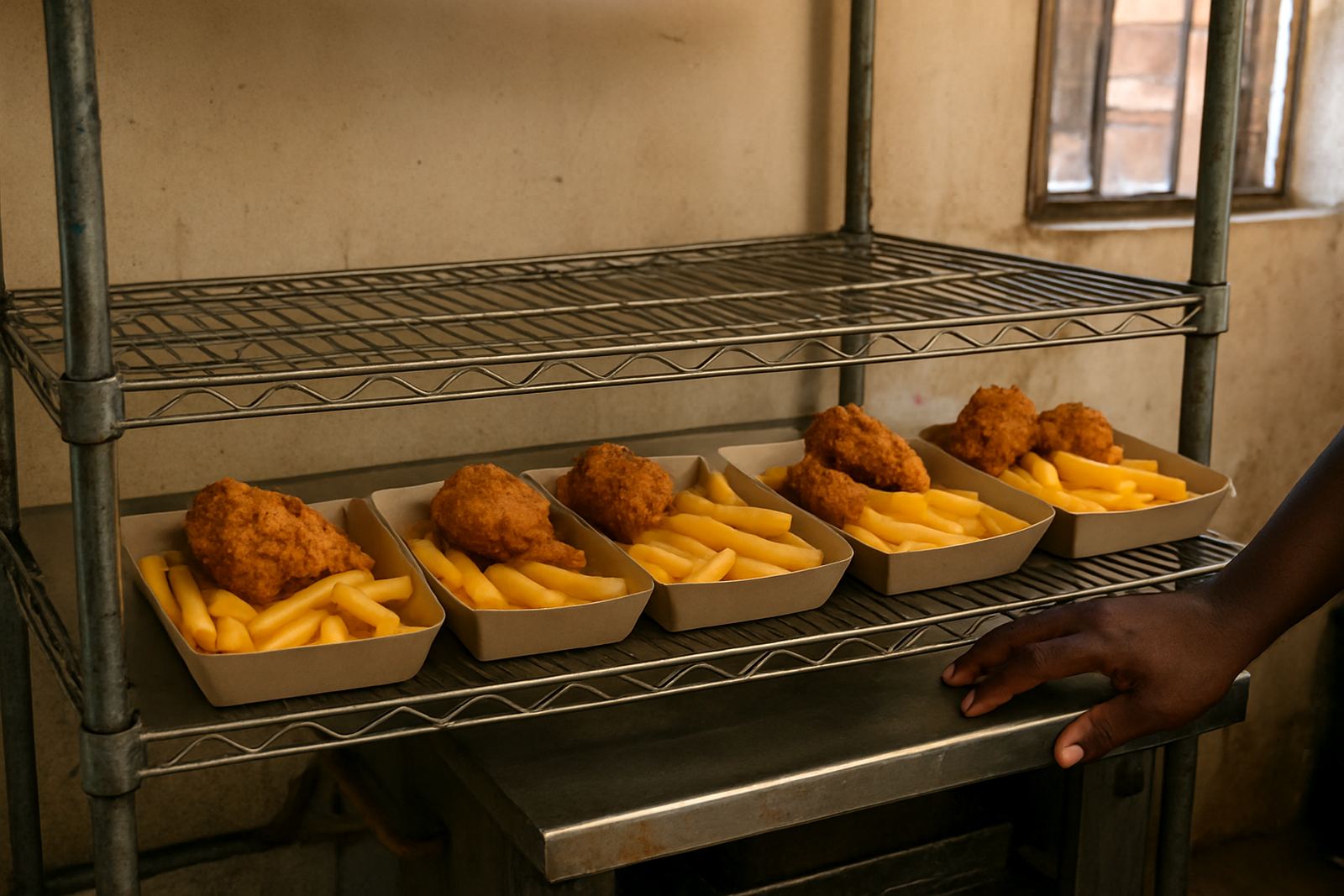
Meal lines that work for this use case include individual portions, two-piece or three-piece suppers, family packs with chips or sides, and tray orders for people collecting on behalf of others. Add a few plain options for children or older family members, and keep spice levels clear so nobody is surprised at the table.
For late collections, the aim is steady consistency. If the spice mix changes from batch to batch, customers notice it quickly. The same goes for portion sizes. People doing repeat evening orders want to know exactly what they will get, every time.
Common mistakes that slow down evening collections
The biggest mistake is overcooking batches too early and letting them sit too long. Fried chicken that stays under heat for too long dries out, while chips lose texture and sides become heavy. Another problem is poor queue control, where walk-in customers, call-ahead orders and collections all arrive at once with no clear system.
Staff shortages can also hurt the evening trade. If the front counter is busy and the kitchen is under-manned, the whole service slows down. It is better to cut the menu slightly on peak nights than to promise everything and make everyone wait.
- Do not fry too far ahead of demand
- Do not use packaging that traps too much steam
- Do not mix collection orders with fresh orders on the same surface
- Do not leave sauces, serviettes or cutlery to be packed at the last minute
- Do not ignore lighting, especially in winter when it gets dark early
Late trade also needs discipline around hygiene. Oil change schedules, hand washing and clean counters matter just as much at 8pm as they do at lunch. Small slip ups show quickly when customers are tired and just want to get home.
Budget ranges in Rand for a practical setup
A modest late evening supper setup can start from about R45 000 to R90 000 if you already have a suitable room and basic services in place. That range covers essential frying equipment, prep furniture, initial packaging and some storage. A more organised operation with stronger holding capacity, better counters and extra stock control can move into the R120 000 to R250 000 range.
Running costs depend on volume, electricity use, cooking oil, chicken prices and packaging. In a busy Soweto week, it is sensible to budget for enough stock to cover school nights, payday periods and weekend evenings. If the building has weak power supply or no backup for load-shedding, the cost of interruptions can be higher than people expect.
- Starter equipment and fittings: R45 000 to R90 000
- More complete service setup: R120 000 to R250 000
- Monthly stock and operating allowance: R18 000 to R55 000 depending on output
- Packaging and consumables: plan from R3 500 upward per busy month
For a trade kitchen in Orlando West or nearby areas, the best spend is usually on dependable cooking capacity, packaging and a clean collection flow. That gives evening customers a quicker handover and keeps the supper service moving without chaos.