
What lunch queue service needs in Soweto
Lunch queue trade is different from evening family takeaways. Customers want a fast decision, a short wait, and food that is ready before the break ends. In Orlando West and nearby areas like Diepkloof, Meadowlands, Protea Glen, Dobsonville and Naledi, that usually means keeping the menu tight, the counter clear, and the cooking line moving in steady batches. If the queue is held up by too many options, people walk away and lunch money is spent elsewhere.
For this use case, the aim is not fancy presentation. It is practical service with clean packaging, clear portion control, and enough speed to handle school runs, office breaks, road workers and shoppers collecting on the way home. A lunch pack should open easily, travel well and stay tidy if it sits in a car or taxi for 20 to 30 minutes.
Typical equipment for a lunch rush kitchen
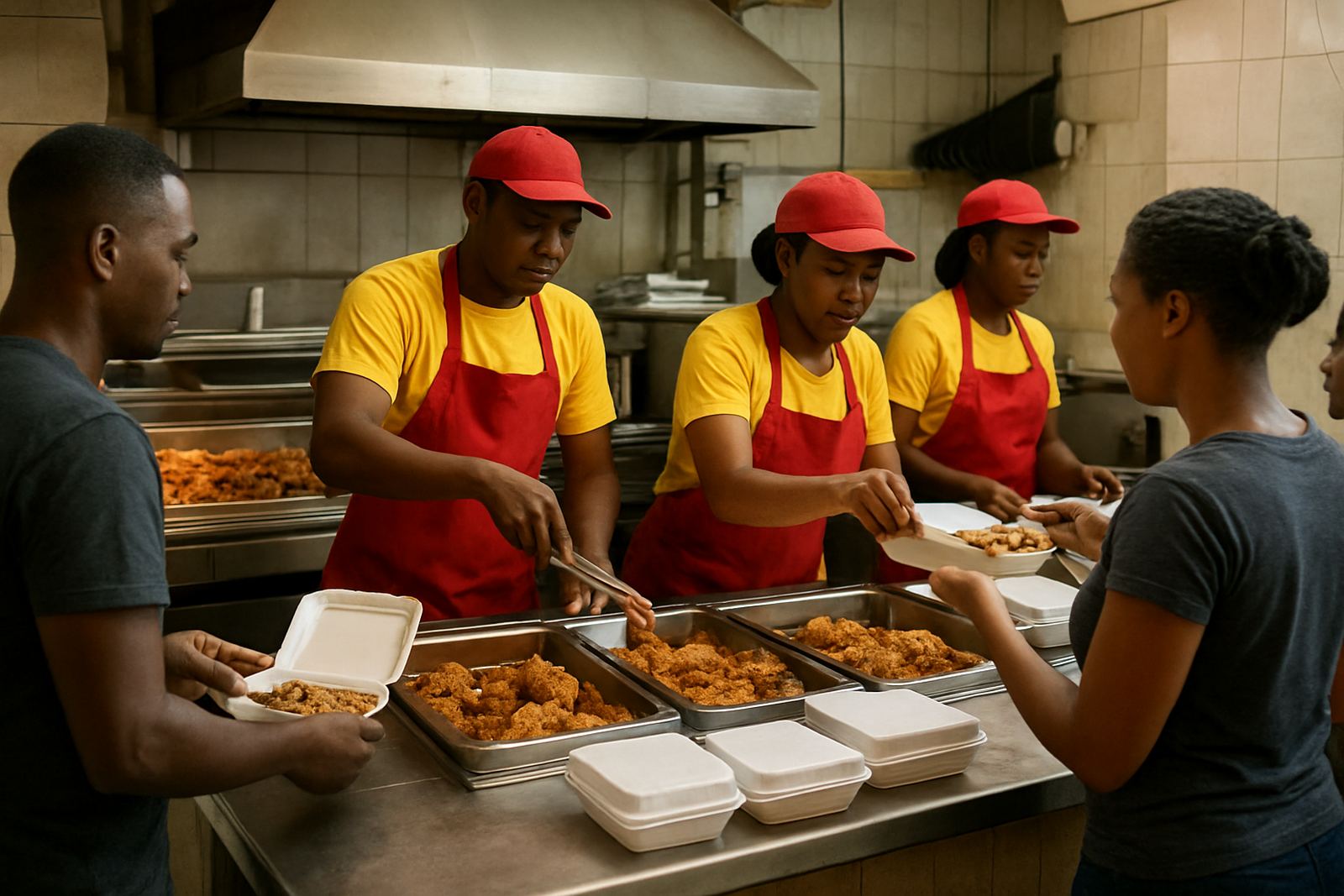
A lunch queue kitchen usually works best with a few reliable pieces rather than a crowded setup. The core kit is a commercial fryer or two, a prep table, insulated holding space, warm display area, a cold section for raw chicken and sides, plus sealed containers for sauces and add-ons. Good extraction matters too, because frying through midday in a small kitchen can build heat fast, especially when the power is unstable and load-shedding shifts the rhythm of prep.
- Two fryers or one high-capacity fryer for staggered batches
- Heat-safe holding trays for cooked pieces
- Chipped, scratched or thin pans should be replaced early
- Insulated bags or boxes for collection orders
- Clear label space for spicy, classic, and mixed packs
- Hand-wash station and sanitiser at the front counter
For outlets serving lunch queues all week, a small backup power plan is worth the money. Even one battery unit for lights, tills and a freezer alarm can keep service going when the area goes dark, and that can save stock as well as sales.
Layout that keeps the queue moving
The best lunch layout is simple. One person takes orders, one handles packing, and one keeps the fryer line moving. If the counter and collection point share the same space, mark them clearly so customers do not crowd the cooking area. In busy periods, a narrow queue lane with a single exit point helps keep the front of house under control and avoids people leaning over trays.
Place the most requested items at the front of the menu and group the meal combos together. That reduces hesitation. Keep cash or card handling separate from the packing bench where possible, because greasy surfaces slow everything down. It also helps to keep a few pre-packed sides ready, but not so many that food sits too long and loses quality.
- Keep menu boards short and readable from two to three metres away
- Use collection times for larger lunch orders
- Store packaging close to the packing point
- Separate hot oil movement from customer traffic
- Leave enough turn space for staff carrying trays and boxes
Meal combos that suit short lunch breaks
Lunch customers want value without a long conversation at the counter. That means simple combos that can be repeated every day without confusion. For workers and shoppers, a chicken piece with chips or pap, plus a drink or extra side, often works better than a long list of add-ons. The point is to keep the choice easy, not to overcrowd the order.
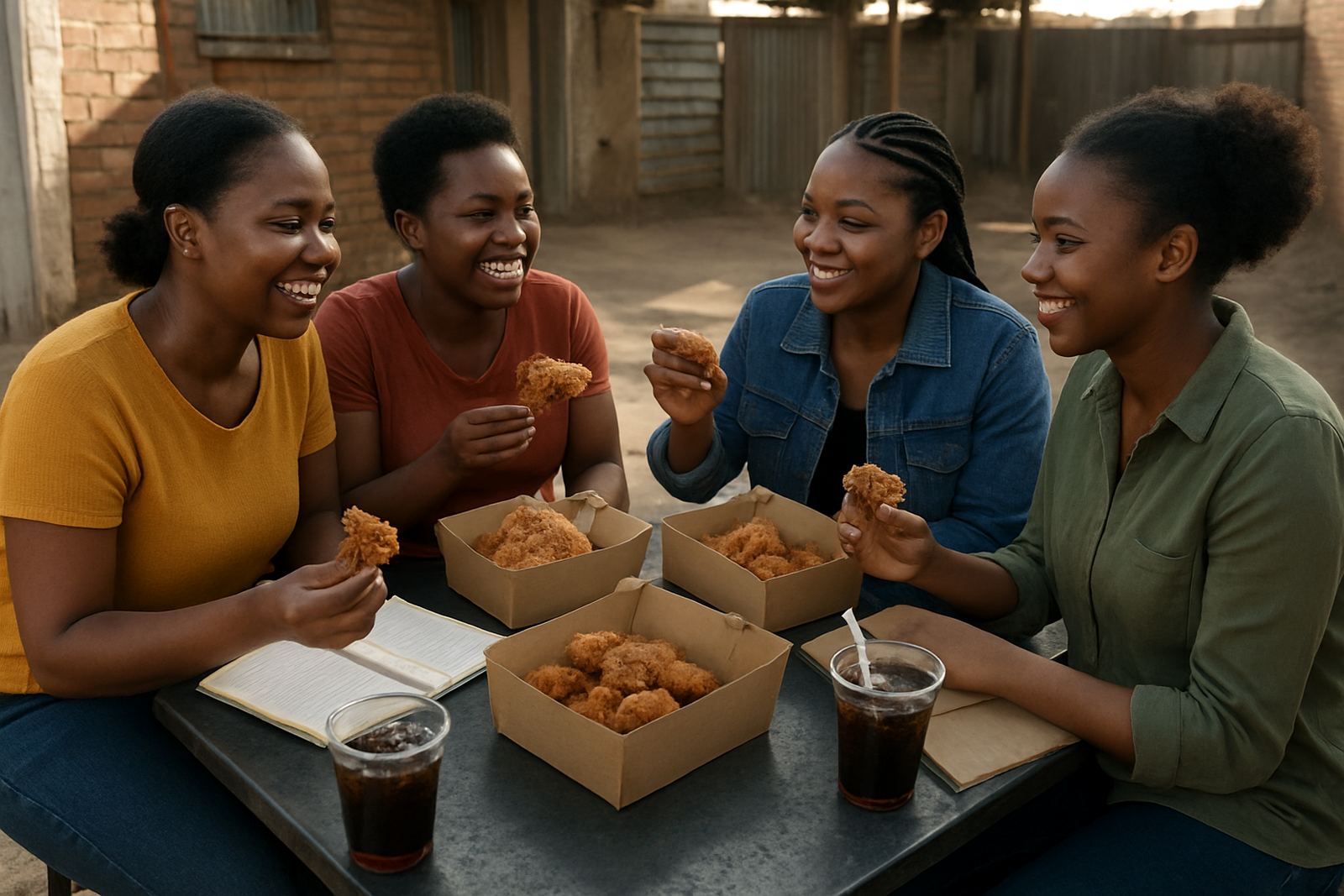
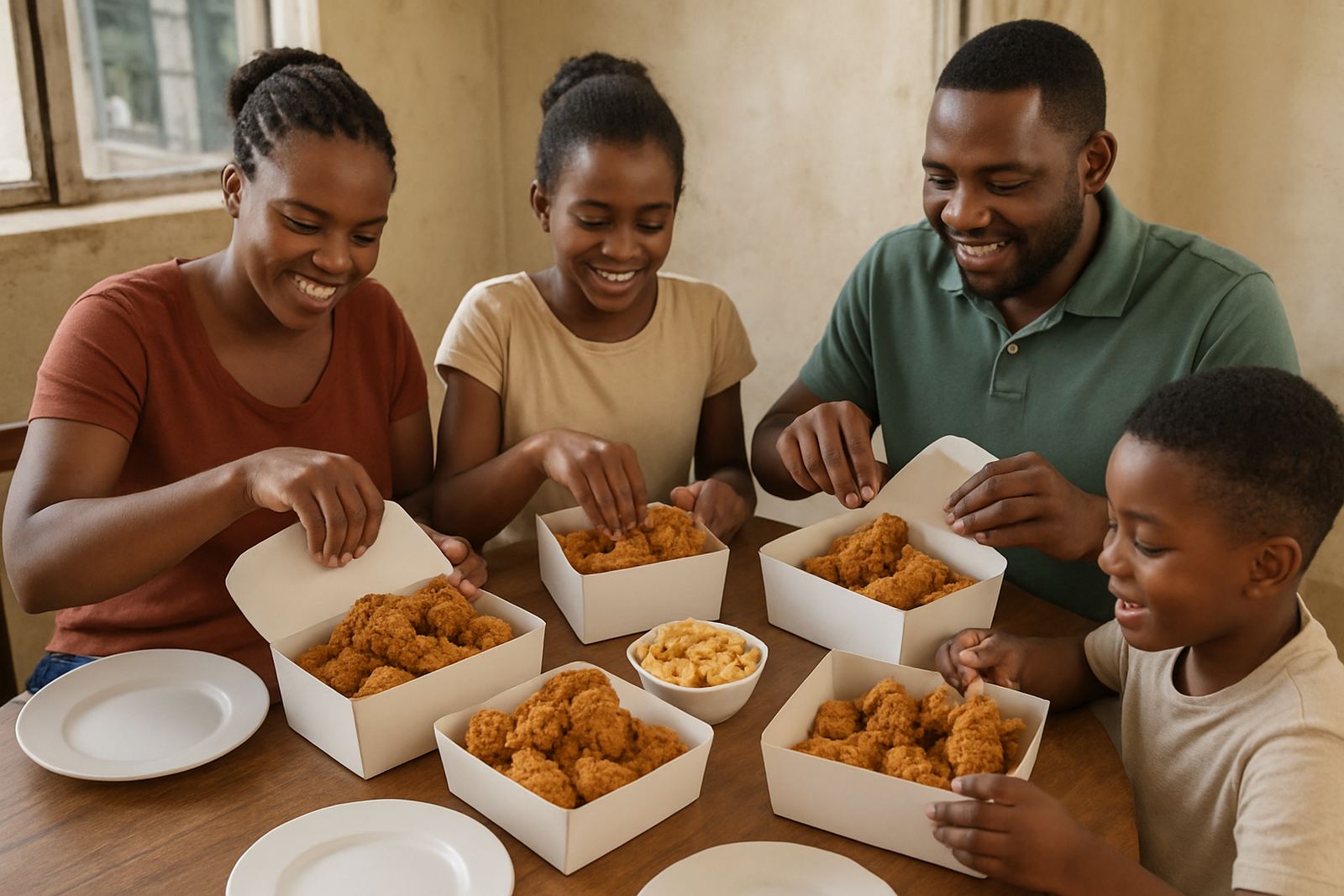
Kasi Fried Chicken’s lunch queue offering is strongest when it stays focused on crisp pieces, steady seasoning, and portions that match the price. A mix of classic chicken, spicy pieces, and family-safe options helps when groups order together. Some want heat, some want mild seasoning, and some want a pack that can be shared at the office table without arguments.
Common mistakes that slow lunch sales
The biggest mistake is trying to serve lunch like a full restaurant menu. Too many items means slower frying, more stock pressure, and more confusion at the counter. Another problem is under-ordering packaging. When the boxes run out at 12:30, service stutters and the queue gets restless. A third mistake is cooking too far ahead. Chicken that sits too long loses its coating and customers notice immediately.
Small hygiene slips also hurt lunch trade. If the counter cloths, tongs, and trays are not kept clean through the rush, the kitchen starts to look tired before the day is half done. In busy township trading, people remember how a place handles the rush, not just the taste. One greasy service can turn regulars away for weeks.
- Do not overcomplicate the menu during peak hours
- Do not leave cooked pieces exposed to steam for too long
- Do not mix spicy and mild packs without clear labelling
- Do not wait until stock is nearly finished before restocking
Budget ranges for a small lunch queue setup
Budgets depend on whether you are opening a new kitchen, fitting out a collection point, or tightening an existing service line. A lean lunch queue setup can start with basic fryers, tables, trays and packaging in the range of about R45,000 to R90,000. A more complete setup with better holding gear, extraction, backup power support and a stronger collection flow can sit between R120,000 and R250,000.
Ongoing costs matter just as much. Chicken stock, oil, seasoning, boxes, labour, electricity and transport need to be watched weekly. If orders come through Orlando West and outlying areas like Protea Glen or Dobsonville, packaging has to travel properly, so do not cut corners on lids and carry bags. Saving a few rand on cheap boxes can cost more when food arrives tipped, cold, or leaking in the taxi.
How Kasi Fried Chicken handles lunch orders
For lunch queue meals, the service has to be direct. Customers can ask for walk-in ordering, call-ahead orders, collection time slots, or boxed lunch packs for the work break. That helps the kitchen plan batches and keeps the counter from backing up when the line gets long. Family packs, church group orders and school event trays can be fitted around quieter prep windows, while weekday lunch trade stays fast and predictable.
With steady portions, friendly counter service and packaging that holds up across town, lunch orders stay practical from Orlando West to nearby Soweto areas. The result is simple: less waiting, less waste, and food that still looks good when the break is short and the day is moving fast.