
Why Midweek Meals Need a Different Setup
Midweek buying is not the same as a Friday splurge. People are coming from work, collecting for children, or trying to stretch one order across supper and lunch the next day. In Orlando West and nearby areas, that usually means a meal that is filling, easy to carry and priced so a household can keep things moving until payday.
For this use case, the order should be quick to choose and quick to hand over. A good budget meal uses pieces with steady size, one or two simple sides and packaging that keeps the coating dry on the trip through taxis, on foot, or across a busy street. The goal is plain: enough food, less waste, and no stress at the counter.
Typical Midweek Order Mix We See Most Often
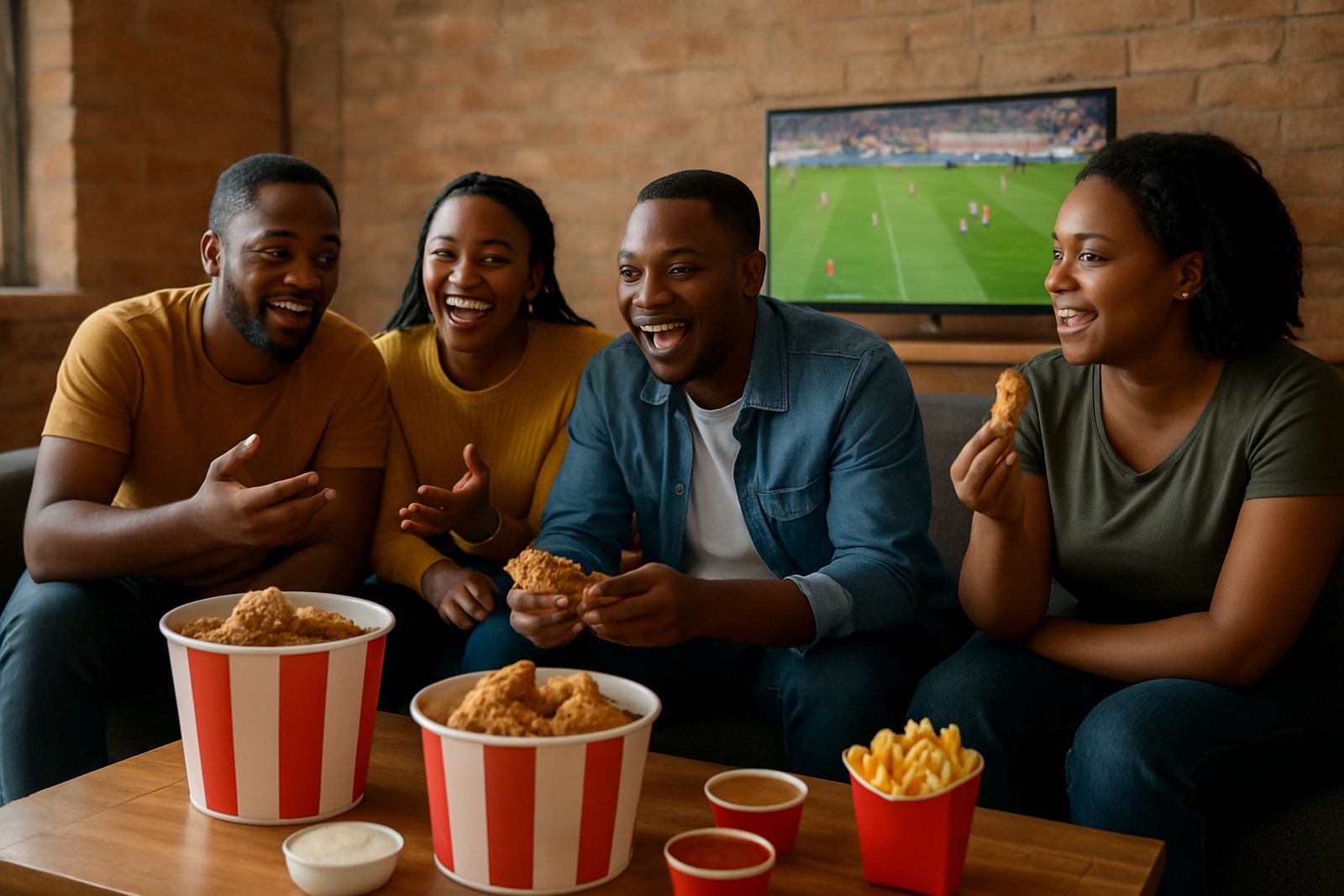
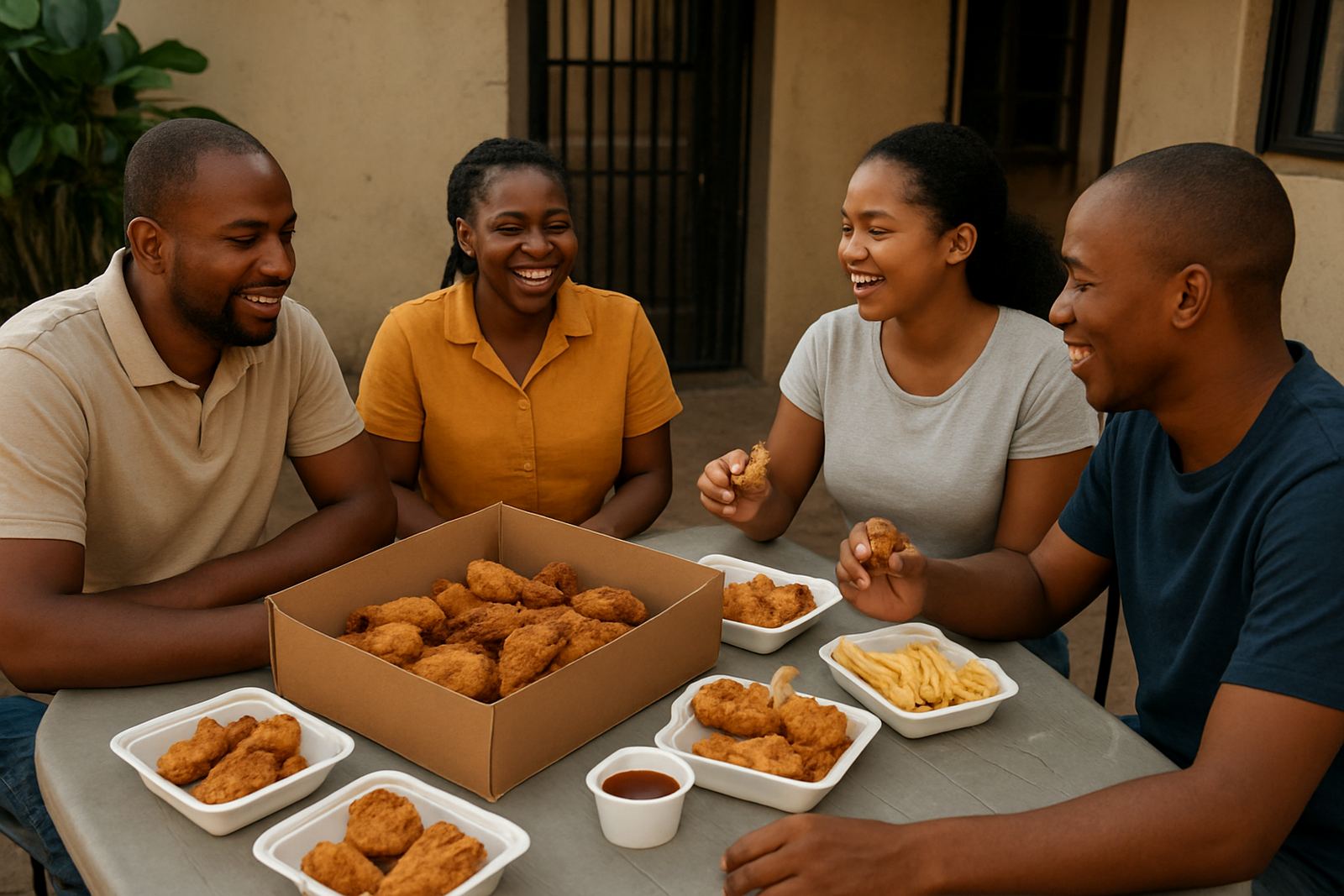
Most budget weekday orders are built around a small number of people, usually two to four, but the meals must still feel complete. In Soweto that often means a mix of chicken pieces, chips or a starch side, and one extra item that helps the meal go further. Families also ask for hotter spice on one portion and milder seasoning for children.
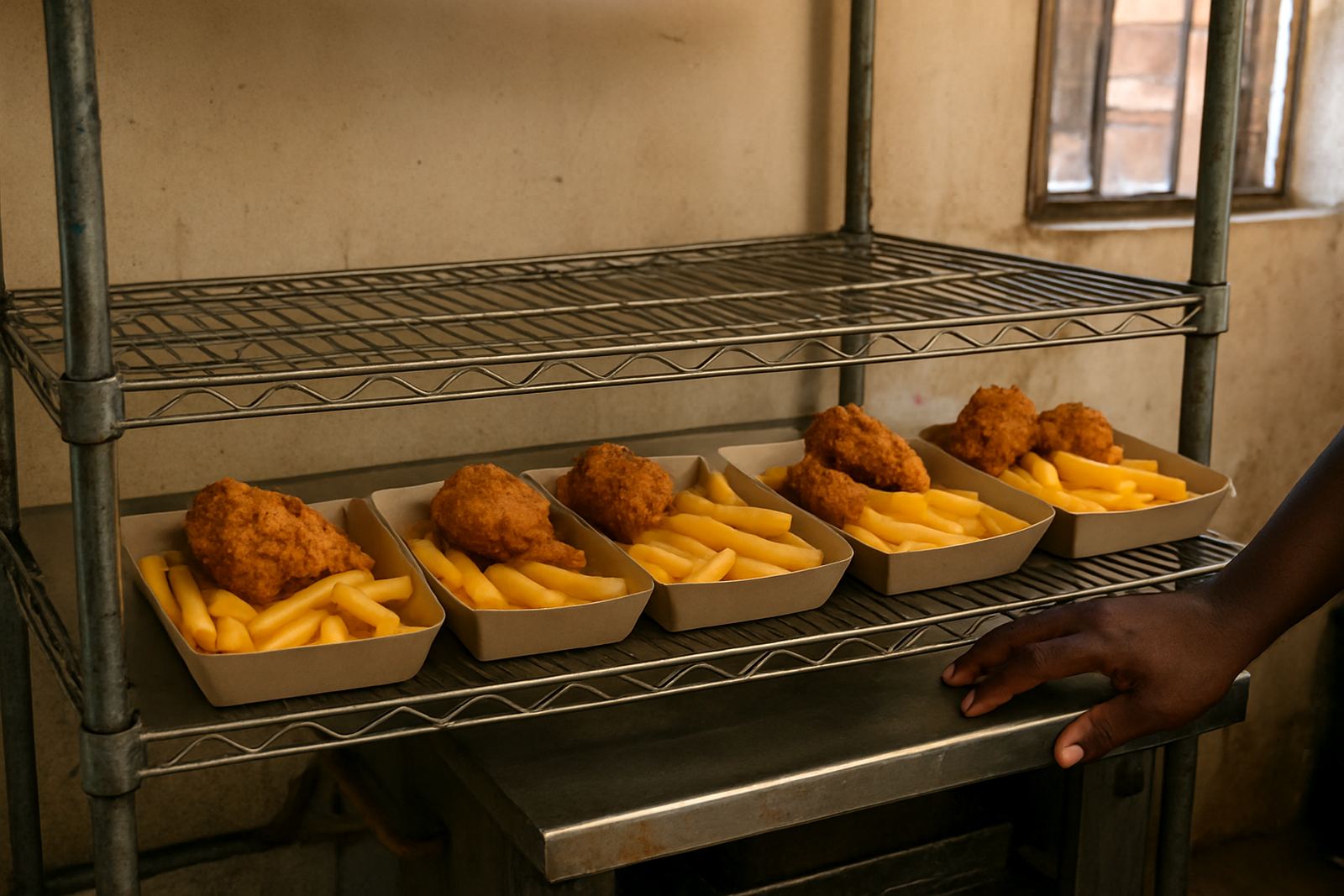
- 2 piece or 3 piece meal with chips
- 4 piece family box with one shared side
- Single meal combo for one person after work
- Mixed spicy and classic pieces for the same tray
- Lunch box orders for workers, students and helpers
Simple menus work best because they reduce delays and keep the queue moving. People do not want long choices when they are hungry, and they need to know the price before they step forward.
Kitchen Equipment That Keeps Costs Under Control
A budget meal line depends on equipment that holds temperature, portions well and keeps oil in good condition. The basic set usually includes a fryer with enough capacity for steady batches, a heated holding station, insulated tongs, a prep table, portion scoops, sealed packaging and a simple cash or order register point. In a busy lunch queue, that combination matters more than fancy extras.
Energy use also has to be managed. In South Africa, load-shedding can interrupt service, so a practical kitchen plans for heat retention, backup lighting and a layout that lets staff keep moving when the power shifts. Coastal humidity is not the issue in Orlando West, but clean airflow and oil management still matter because warm kitchens can get sticky fast.
- Fryer sized for repeated small batches
- Heat lamp or holding cabinet for short periods
- Strong prep counter for coating and packing
- Stackable containers for takeaways and collections
- Clear labels for spicy, classic and family packs
Layout Advice for Fast Collections and Lower Waste
The best budget takeaway layout is one that separates raw prep, frying, packing and collection. That keeps the line moving and reduces mistakes when lunch queues build up or weekend orders arrive at once. A narrow front counter with a clear collection point helps people know where to stand, and it stops order mix ups when families send one person to collect for everyone.
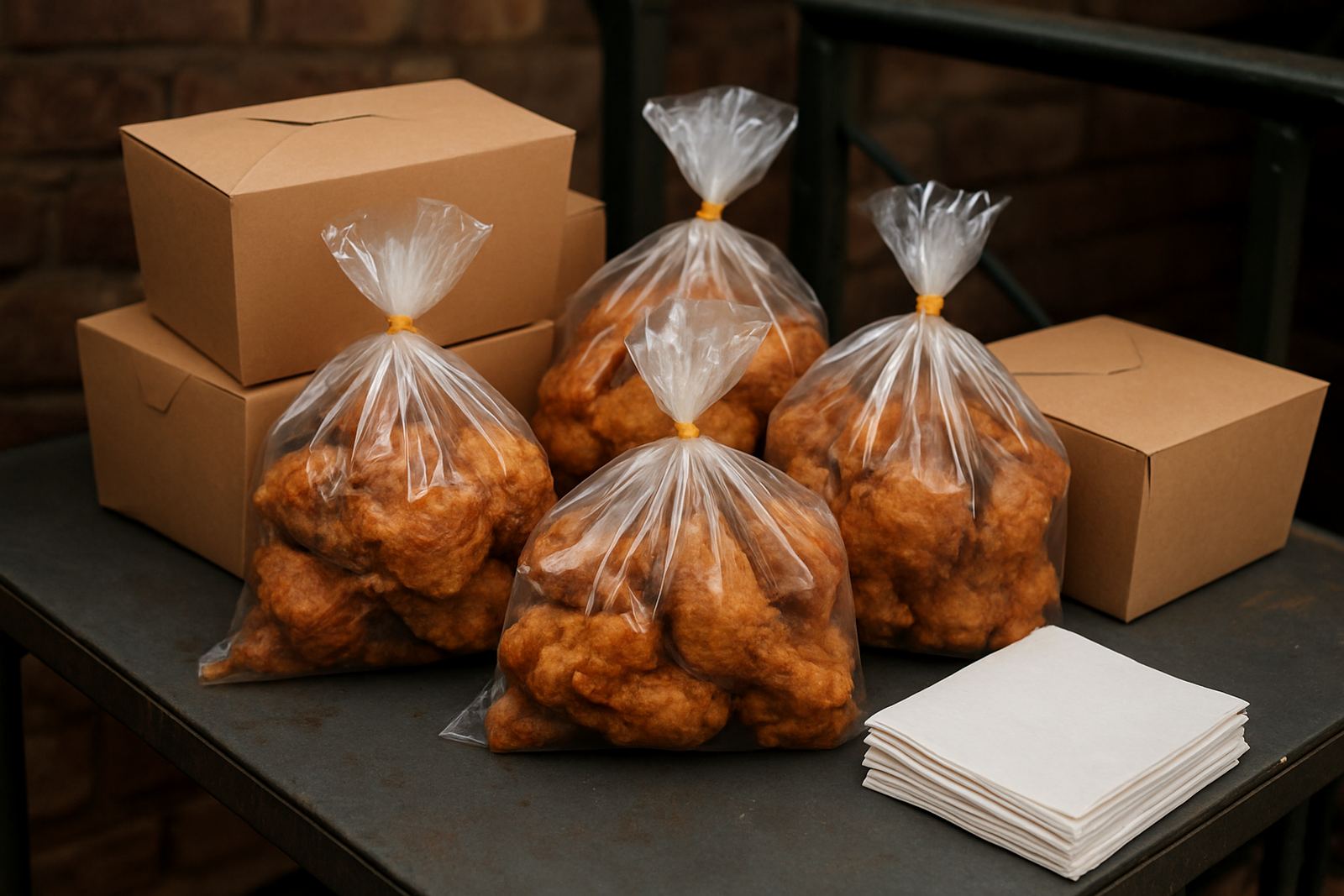
For Soweto customers, collection time slots are useful because transport delays happen. If a family is coming from Diepkloof, Protea Glen, Dobsonville or Naledi, a narrow collection window can save time and reduce waiting outside. Staff should pack with travel in mind, using containers that close properly and do not leak oil in the taxi or on the way home. A little planning here saves money because fewer meals get returned, spilt or reworked.
Budget Ranges in Rand for Ordinary Weekdays
Budget ranges depend on piece count, side choice and whether the order is for one person or a group. For midweek use, most customers are looking for low- to mid-range spending that still gives a proper plate. A single meal can sit around R45 to R75, while a small shared order for two or three people may run from about R120 to R220 depending on the sides and extras selected.
Family packs, funeral support orders and church group meals are usually priced differently because volume changes the cost per head. A practical rule is to keep one entry-level option for quick weekday buying, one mid-size family box, and one larger tray for planning ahead. That gives customers room to choose without feeling boxed in by expensive combinations.
- Single weekday meal: about R45 to R75
- Two to three person combo: about R120 to R220
- Family tray or group pack: from about R250 upward
- Extra side: usually a small add-on to keep the total manageable
Common Mistakes That Make Cheap Meals Feel Expensive
The biggest mistake is overcomplicating the menu. If every combo changes too much, the queue slows down and staff make more errors. Another problem is undersized portions that leave customers feeling short changed, even if the price looked fair at first. People notice when a budget meal does not carry them through the evening.
Temperature also matters. When fried chicken sits too long before packing, the coating softens and the value drops straight away. The same goes for weak packaging, soggy sides and unclear order names. For ordinary weekday trade, consistency beats novelty every time. One missing napkin or a poor seal may sound small, but it can spoil the whole takeaway experience.
Good midweek service should be friendly, fast and steady. That means clear portions, straightforward pricing and enough order control for walk ins, call ahead collections and quick family pickups. When that is in place, the meal does the job properly: it feeds people well without pushing the budget too far.