First bite, first judgement
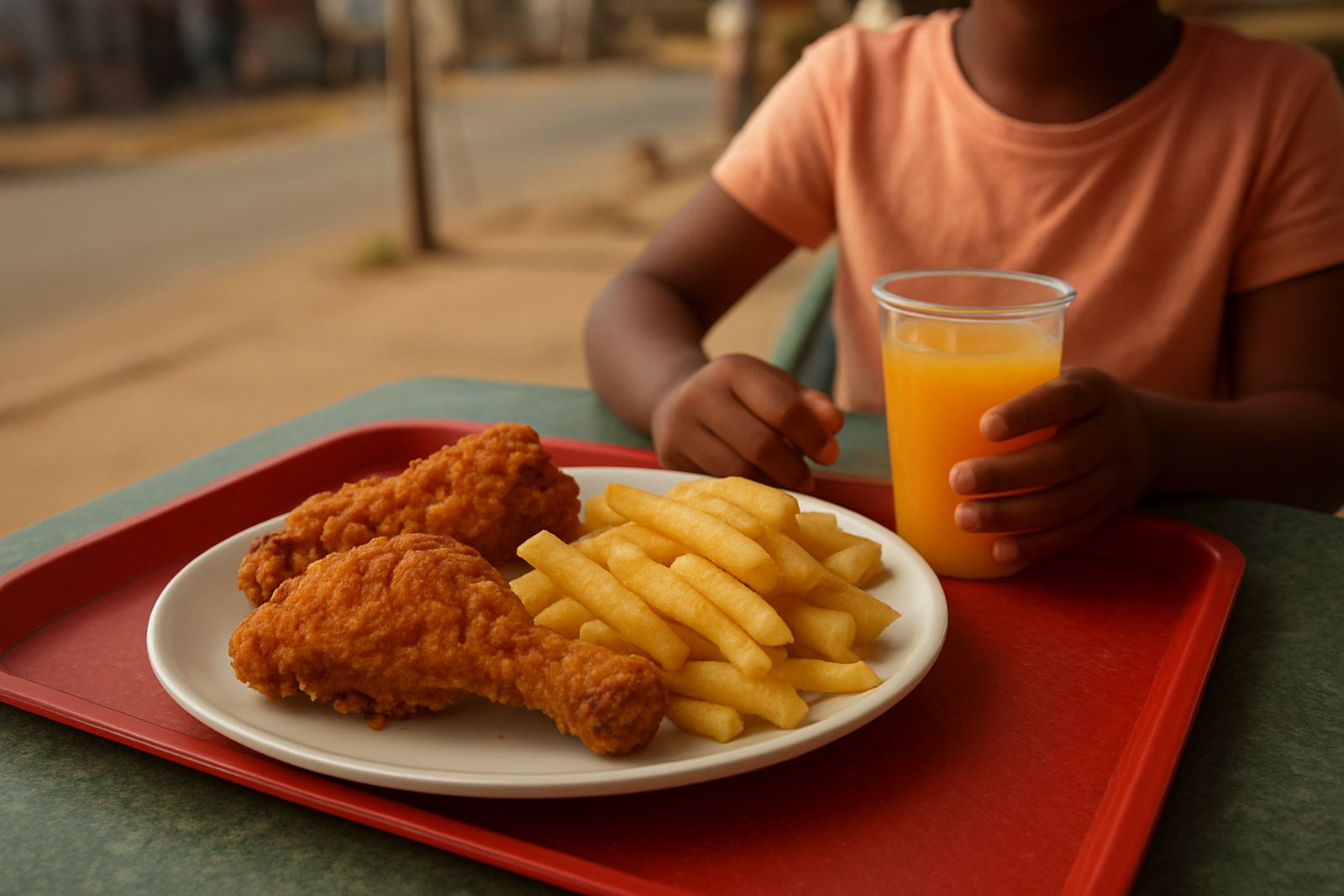
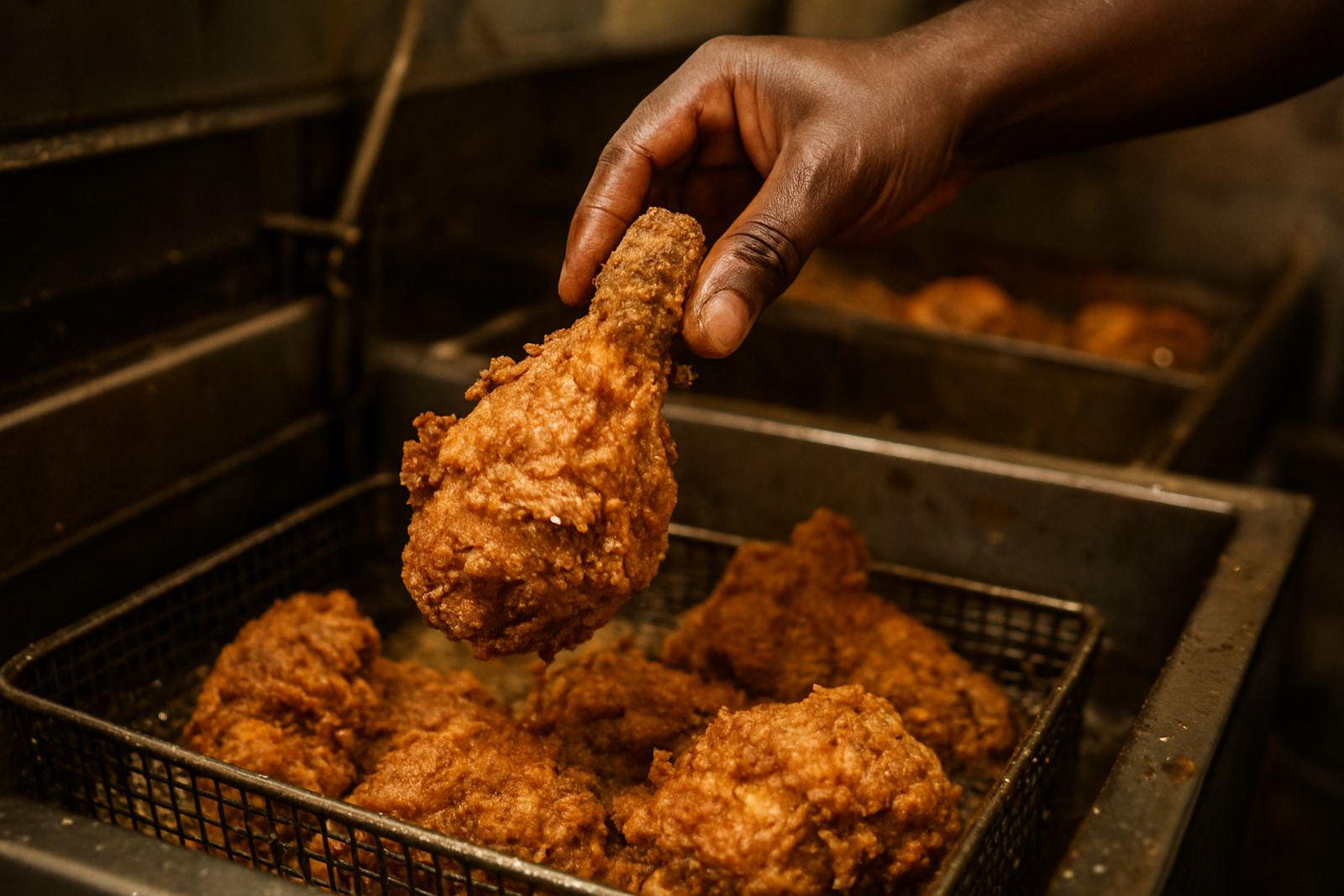
In fried chicken, texture does a lot of work. A piece can look generous in the box, but if the coating is soft or oily the customer often reads it as heavy, rushed or just not worth the Rand. A clean crisp shell tells a different story straight away. It says the oil was at the right heat, the coating was mixed well and the piece was handled with care from fryer to pack.
That matters in places where people are ordering between school runs, taxis and work shifts. In Orlando West, a lunch queue does not wait around for a second chance. The crunch has to be there on the first bite, because first impressions travel fast through families, office groups and neighbours collecting for the weekend.
Why coating changes the whole eating experience
Crisp coating is not only about noise or appearance. It helps hold the seasoning in place, keeps the meat inside from feeling wet and gives each bite a cleaner finish. When the crust is too thick, it can overpower the chicken. When it is too thin, the oil soaks through and the piece loses shape too quickly. The sweet spot is a coating that stays firm but still lets the spice come through.
That balance helps with portion satisfaction too. A family pack with steady crispness feels more complete than one where half the box has softened before it reaches home. For many customers in Soweto, especially those taking food to Meadowlands, Dobsonville or Protea Glen, the coating must travel well and still taste fresh after the trip.
- Good crunch helps the spice stay on the chicken instead of sliding off into the bag.
- It keeps the outside drier, which makes the food easier to hold and eat on the move.
- It gives the customer a clearer sense that the piece was cooked properly and served hot.
- It holds up better in takeaway boxes when the journey is short but busy.
What steady heat and timing do behind the counter
People often talk about flavour, but the real work starts with temperature control. If the oil is too cool, the chicken absorbs too much fat and the coating turns limp. If it is too hot, the outside browns before the inside is ready. A kitchen that keeps a steady rhythm between batches gives each piece a better chance of landing with the same texture, whether it is a single lunch order or a larger tray for a church group.
That is why timing matters as much as spice. Pieces need room in the fryer, proper draining and a short rest before packing. Rushing this step can turn crisp coating soft within minutes. In a takeaways setting, that small pause can be the difference between a neat box and a disappointing one. It is not fancy work, just careful kitchen servce done properly.
- Check oil temperature before every batch, not only at opening time.
- Do not overload the fryer, because crowded pieces cool the oil down fast.
- Drain chicken on a proper rack so the excess oil does not pool under the coating.
- Pack only after the steam has settled a little, especially for longish trips across town.
Local travel changes how crispness holds up
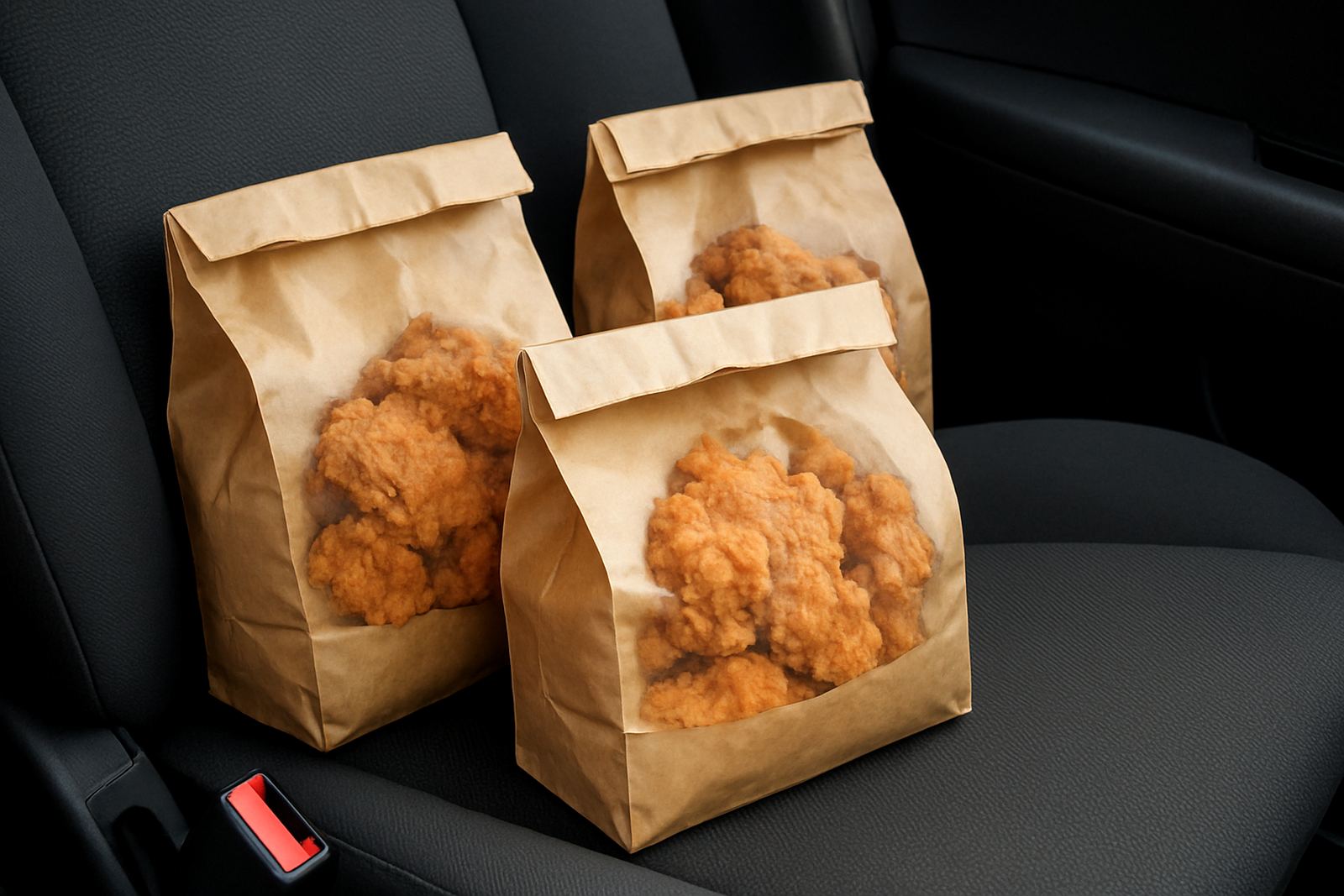
Soweto orders do not all move the same way. A collection in Orlando West may be eaten quickly, while a box going to Naledi or nearby collections might spend more time in a car, taxi or on a delivery run. Packaging needs to handle that movement without trapping too much steam. If the box is too sealed, the crust softens. If it is too open, heat escapes too quickly and the meal feels less fresh.
For family takeaways, weekend prebooking and event snack packs, the question is not only how the chicken tastes when it leaves the counter, but how it lands at the table. Crisp coating helps the meal hold its shape through traffic, potholes and short delays. That is especially useful for funeral orders and church group orders, where food may need to stay presentable across several servings. A good pack keeps the pieces separated and the coating intact, with just enough ventilation to stop condensation from building up.
The role of sides in protecting the crunch
Sides can either support the chicken or spoil it. Heavy, wet sides placed on top of hot pieces can soften the coating before the customer gets home. Better packing keeps the chicken on top or in a separate section, with sides that do not leak into the crust. In a practical kitchen, this is a small detail, but it has a big effect on whether the box still feels good after 10 to 20 minutes.
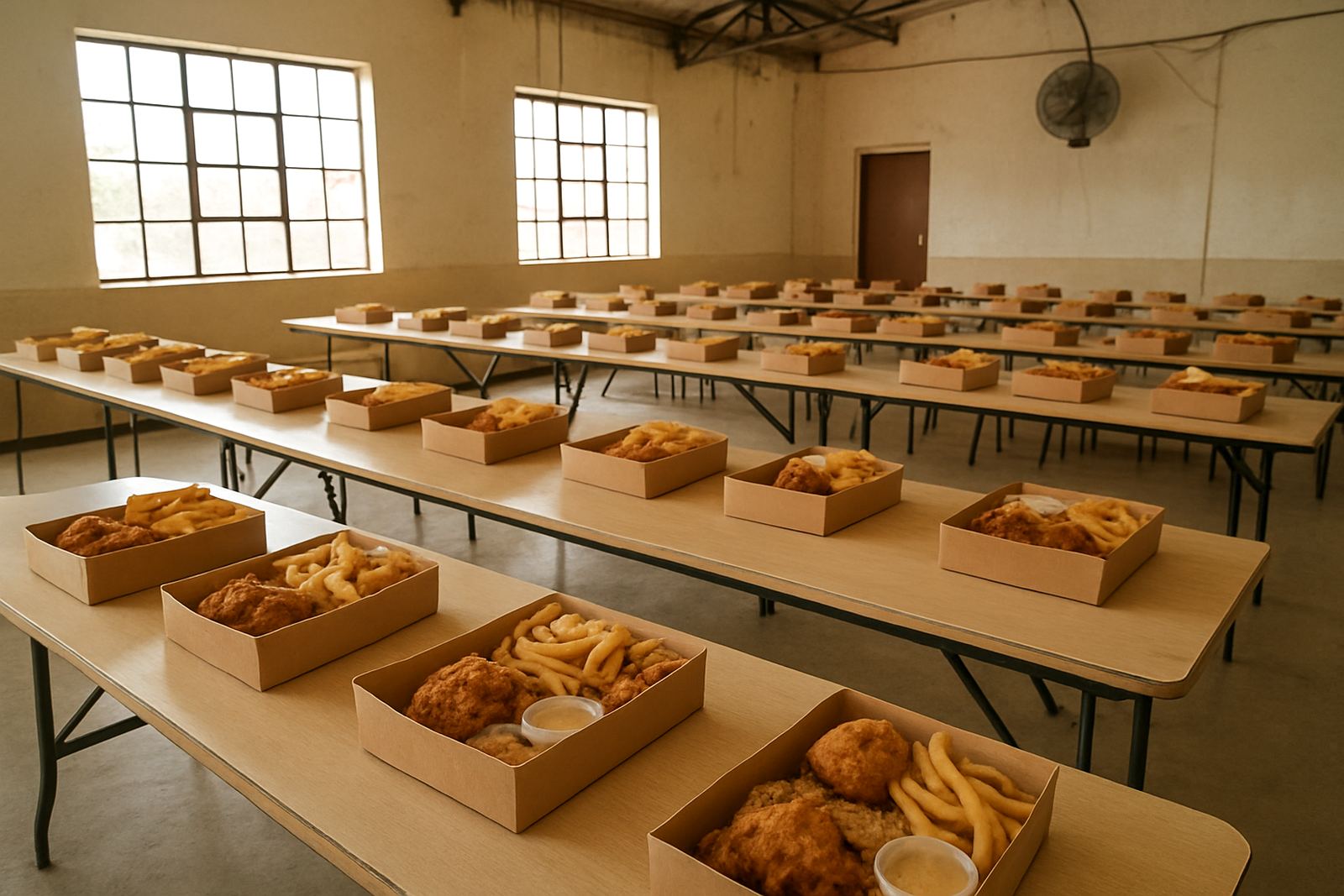
For boxed lunches and party tray orders, the order of packing is worth getting right. Chicken first, then dry sides, then sauces or extras where needed. This keeps the coating drier and the meal easier to share. In many kasi meals, the crisp piece is the main event, so it should not be buried under moisture. One small mistake there can change the whole plate.
- Keep sauces separate when possible.
- Use packaging that allows a little airflow without letting food go cold too fast.
- Do not place hot chicken directly against wet sides.
- For group orders, label boxes clearly so the right pieces reach the right people quickly.
Why repeat customers notice the same crunch every time
Repeat orders come from trust, and texture is a big part of that trust. A customer who knows the coating will be crisp, the portions steady and the seasoning balanced is more likely to come back for lunch queues, evening meals and weekend family takeaways. They are not only buying chicken, they are buying confidence that the box will perform the same way on a busy Friday as it did on a quiet Tuesday.
That is why consistency matters for every order type, from walk in ordering to collection time slots and weekend prebooking. When the crunch stays reliable, people remember it. They tell relatives, they add extra pieces next time and they call ahead for the next gathering. In a place like Orlando West, where word moves quickly, crisp coating is not a small detail. It is part of the reason a customer returns without being asked twice.