
Start with the head count, then add a little buffer
The first step is not the menu, it is the numbers. Count the adults, youth and children separately, because a child group may eat less while adults often want a fuller plate. For church orders in Orlando West and nearby areas like Diepkloof, Meadowlands, Protea Glen, Dobsonville and Naledi, we usually suggest planning for the confirmed head count plus a small extra margin for visitors, ushers, late arrivals or those who did not mention they were coming. A buffer of 5 to 10 percent is often enough for a Sunday lunch or a Saturday gathering.
If your group is around 30 people, think in simple meal units rather than loose pieces. If the plan is one piece and sides per person, that is different from a family-style tray where people take what they need. When the meal is for a combined service, the safest route is to keep the portions steady and avoid overcomplicating the order. That helps the serving team move faster and keeps the line moving at a calm pace.
- Confirm the exact number of adults and children
- Allow extra for pastors, visitors and helpers
- Decide whether each person gets a full plate or a shared tray
- Keep one person responsible for final quantity approval
Choose meals that hold together from kitchen to hall
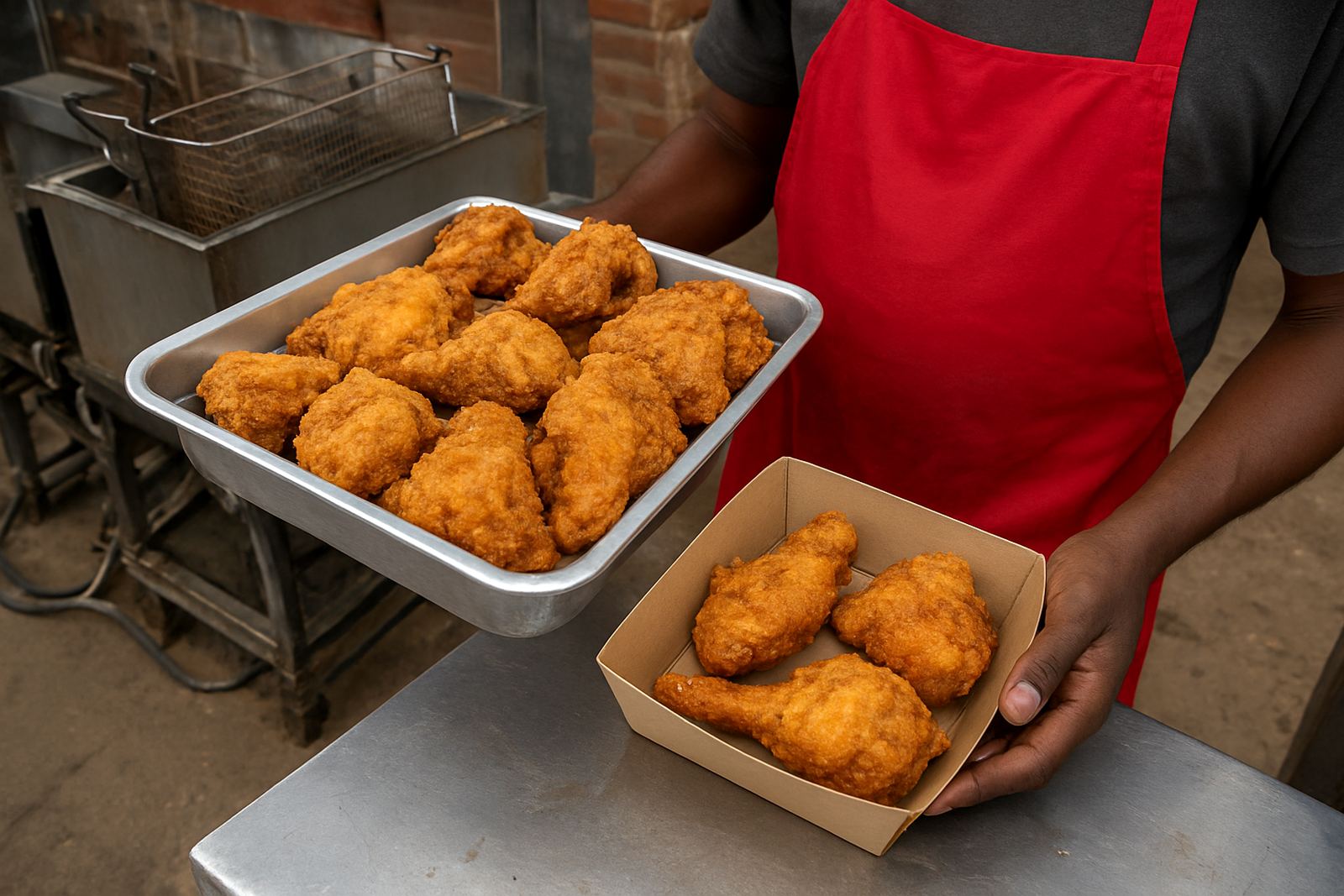
Church food must travel well, stay neat and still taste good after a short wait. Fried chicken is a strong choice because it keeps its texture better than many softer meals, especially when packed correctly. For handout meals, the best options are pieces that can be counted quickly and sides that do not run or spill. The goal is clean serving, not fancy presentation.
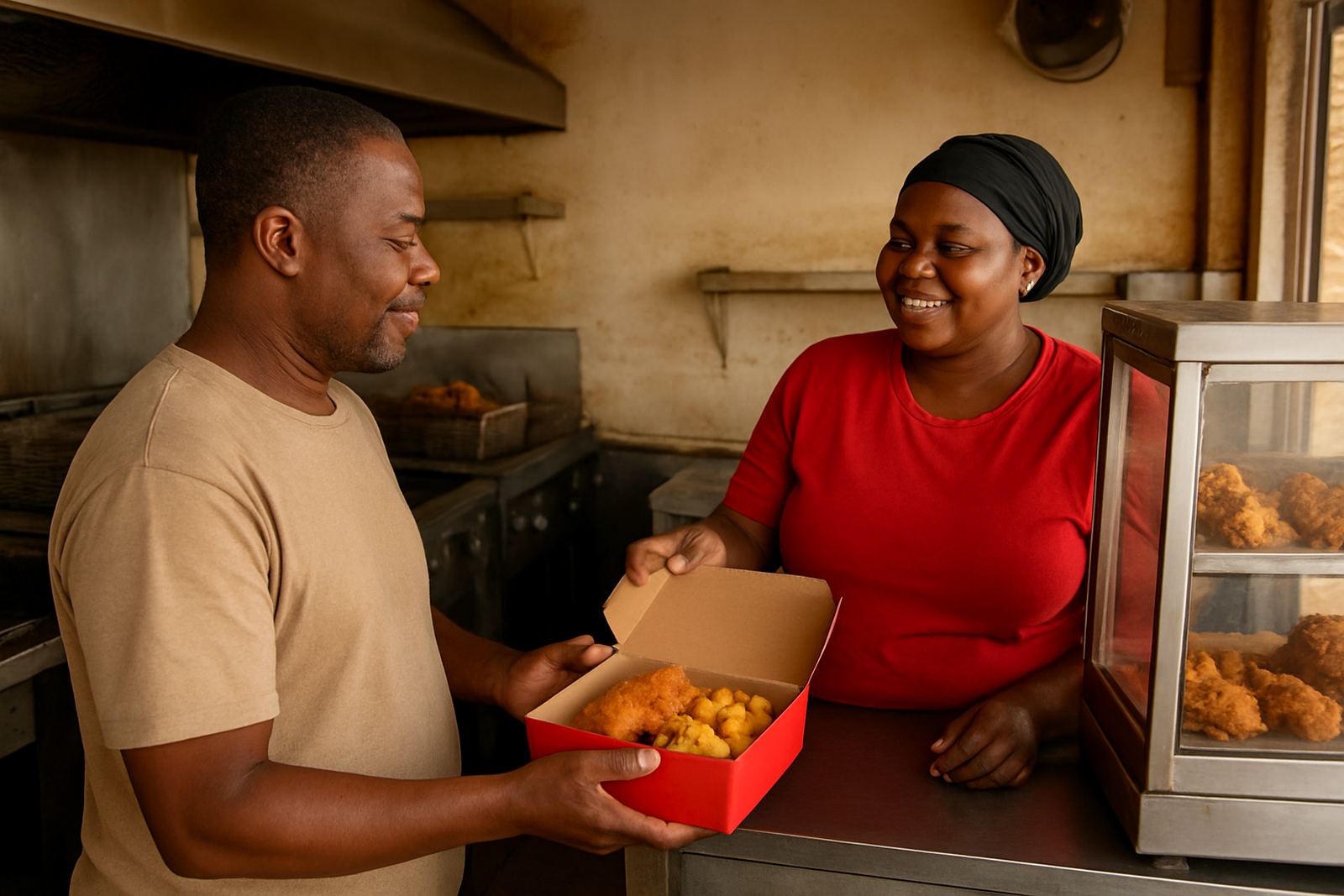
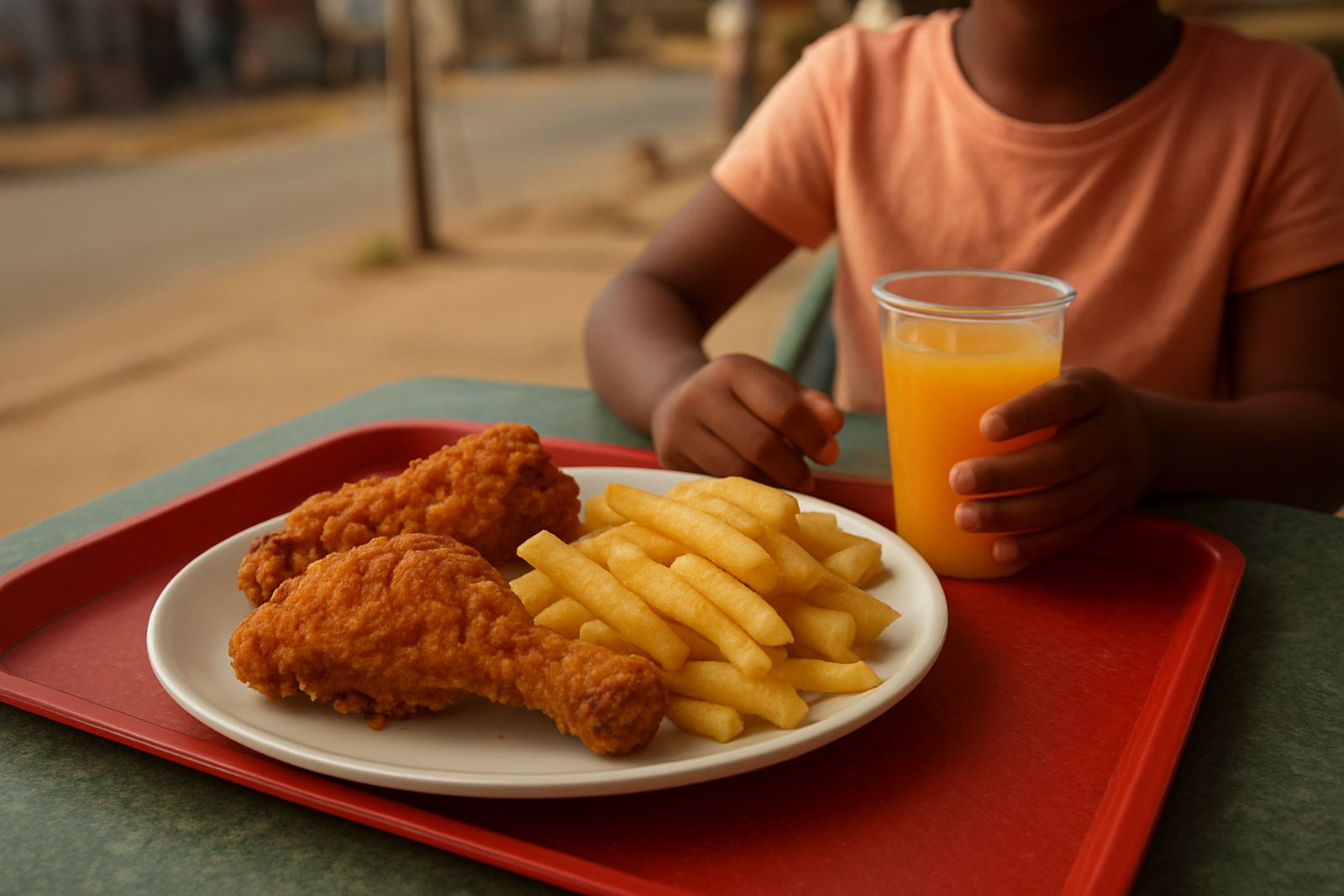
Simple meal combos work well for church groups because they are easy to explain and easy to distribute. A box with chicken pieces and a side gives each person a clear portion. For larger groups, tray orders can be split by the volunteers on site. If you need children’s portions, ask for smaller packs so there is less waste and less pressure on the serving table. Church groups usually prefer food that can be eaten with one hand or with a fork and napkin, especially when the hall gets busy.
- Use boxed meals for fast handout after the service
- Choose sides that stay tidy in a closed container
- Keep portions uniform so nobody is left short
- Ask for clear labelling if there are different meal types
Timing matters more than most people think
Good church lunch planning starts with the clock. If service ends at 11:30, collection should be set for a time that gives your volunteers enough room to arrange tables and set up the food before people start queuing. In many Soweto church halls, the handout period is short, and once people are waiting the flow must be steady. A delay of 20 minutes can turn a calm meal into a long line.
The best approach is to work backwards from mealtime. If the congregation eats at 12:30, collection may need to happen earlier depending on traffic, traffic lights and weekend movement around local roads. When you are ordering from Orlando West to another part of Soweto, leave a bit of extra time for loading and arrival. We also suggest using collection time slots so the food is ready when the group comes through. That reduces waiting and helps keep hot oil food at a better texture.
On Sundays and public holiday weekends, prebooking is worth doing because many church groups move at the same time. Last minute orders can still happen, but early planning makes the day smoother for everyone and keeps the serving team from rushing.
How to make handout service run smoothly
Church lunches work best when the person collecting the food knows exactly how it will be served. One group may want everything packed for immediate handout, while another may want separate trays for each department, choir or youth section. Clear instructions save time. It also helps to assign one church contact to speak for the whole order so there is no confusion at collection.
A practical serving plan should include the table setup, the order of distribution and where the empty packs will be placed after the meal. If there are elders, children or special guests who should be served first, say so at the start. That way the kitchen team can pack in the right order and the collection team can move without stopping every few minutes. For groups in areas like Soweto Central Reach or nearby collections, short communication before the day makes the handover easier.
- Nominate one contact person for the order
- Share the serving order before collection
- Set up the tables before the food arrives
- Keep extras separate from the main handout line
Budgeting without making the meal feel small
Church budgets need to stretch, but nobody wants the food to feel thin. The trick is to choose portions that are fair and consistent. Fried chicken meals are often easier to budget for when the group agrees on a standard pack size. That keeps costs clear and removes the guesswork. When people know what they are getting, they are less likely to ask for changes at the last minute.
If you are feeding a small ministry team, a youth service or a funeral support group, it may be better to order a fixed set of packs than to build a complicated mixed menu. The more special requests you add, the harder it becomes to control cost and timing. For larger church events, it can help to separate the order into sections such as children, adults and volunteers. That makes the total easier to manage and helps the church treasurer plan ahead without surprises.
In our experience, the best value is the order that is simple, well counted and collected on time. A clean meal often feels fuller than a messy one, even when the portion size is the same.
A Soweto example for a Sunday lunch
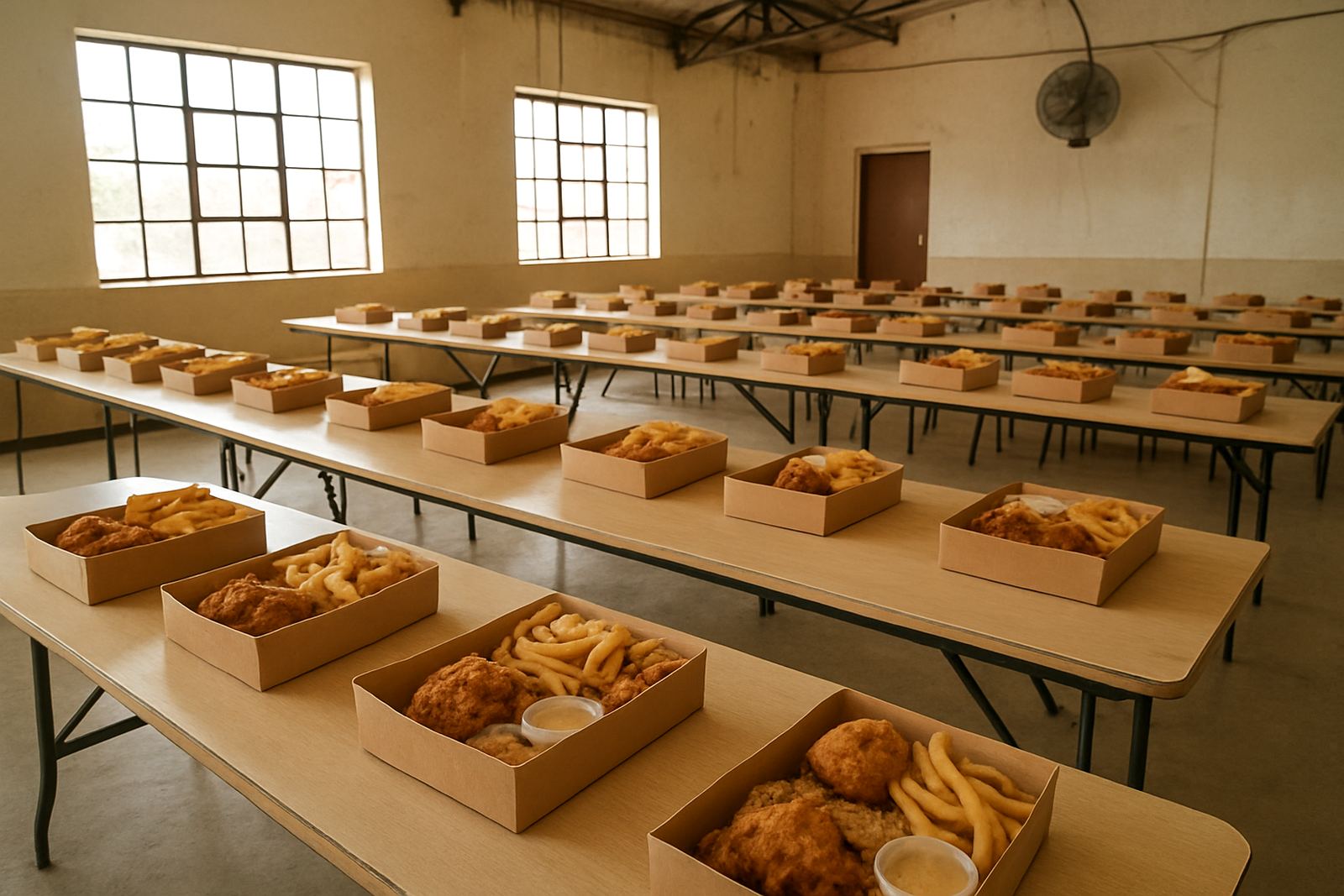
Picture a congregation in Orlando West hosting a Sunday thanksgiving lunch for 48 people. The organisers know that 10 of those are children and a few visitors may join after the service. They confirm the count the day before, add a small buffer and choose boxed meals so the volunteers can hand them out quickly. The church sets a collection slot soon after service ends, which gives time to arrange the hall and keep the line moving.
The final order is split into clear sections, with some boxes for adults and lighter packs for children. The serving team places the meals on one table, drinks on another and keeps napkins close by. Because the food is packed for travel, nobody has to worry about spills on the way from the kitchen to the hall. By the time the last group is served, the meal is still warm and the volunteers are not exhausted. That kind of planning makes church lunches feel organised without being stiff, and it works well for services across Soweto, from Diepkloof to Naledi.
When the order is handled this way, the lunch becomes part of the fellowship instead of a stress point. The food is simple, the timing is clear and the handout feels respectful to everyone involved.