Why the box matters before the engine starts
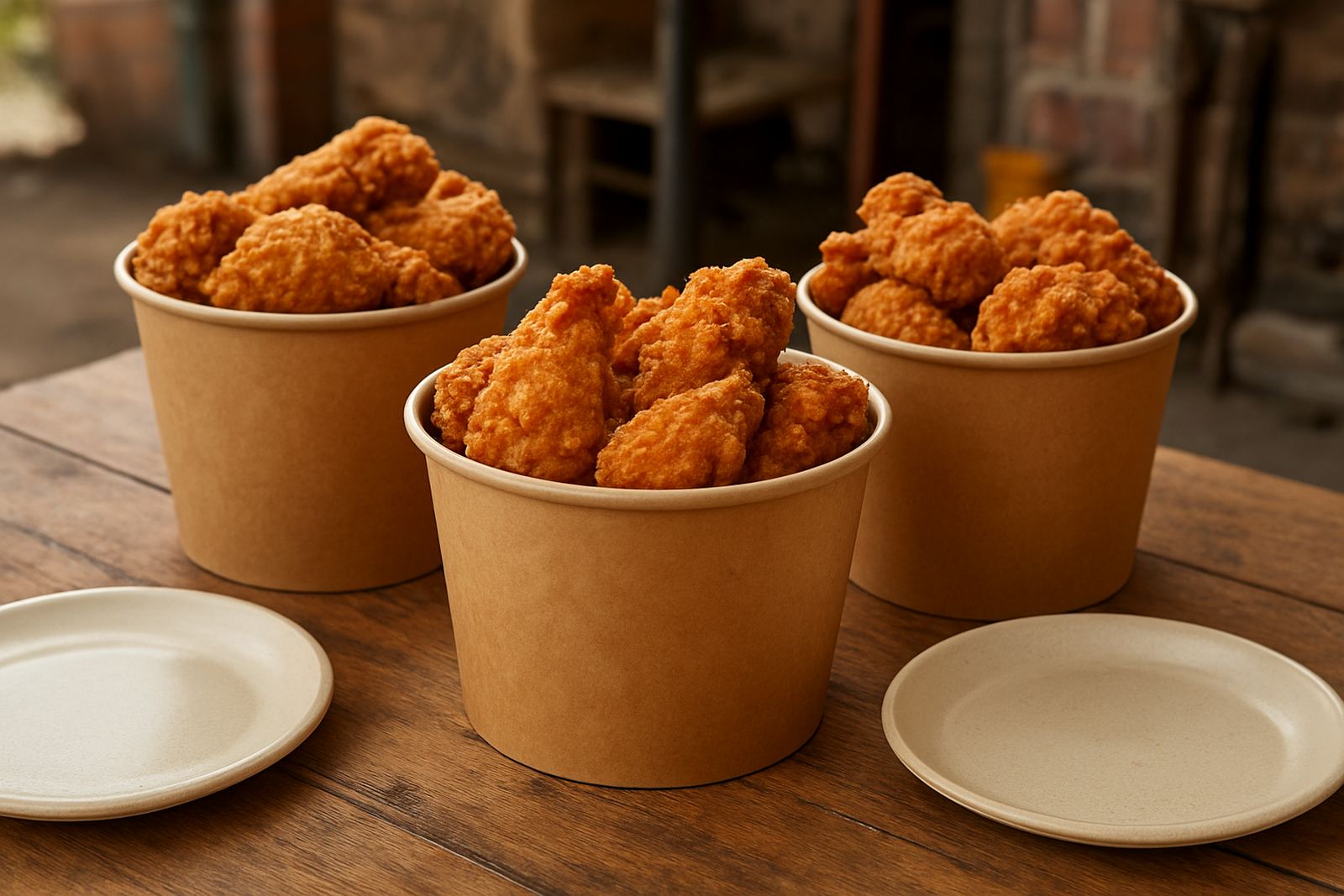
Good fried chicken starts with hot oil, but it is the boxing that decides how it arrives. A tight, soggy pack can trap steam, soften the coating and let the pieces slide around before you reach Orlando West, Diepkloof or Meadowlands. A proper takeaway box keeps the portions seated, protects the crust and gives the food a cleaner finish when it is opened at the table.
In a busy lunch rush or a Friday evening queue, people want food that still looks and tastes right after the drive. That is why careful boxing is not extra work, it is part of the meal. A family tray for Naledi should travel differently from a single lunch box for Soweto Central, and the pack needs to match the order.
How heat, steam and speed affect the bite
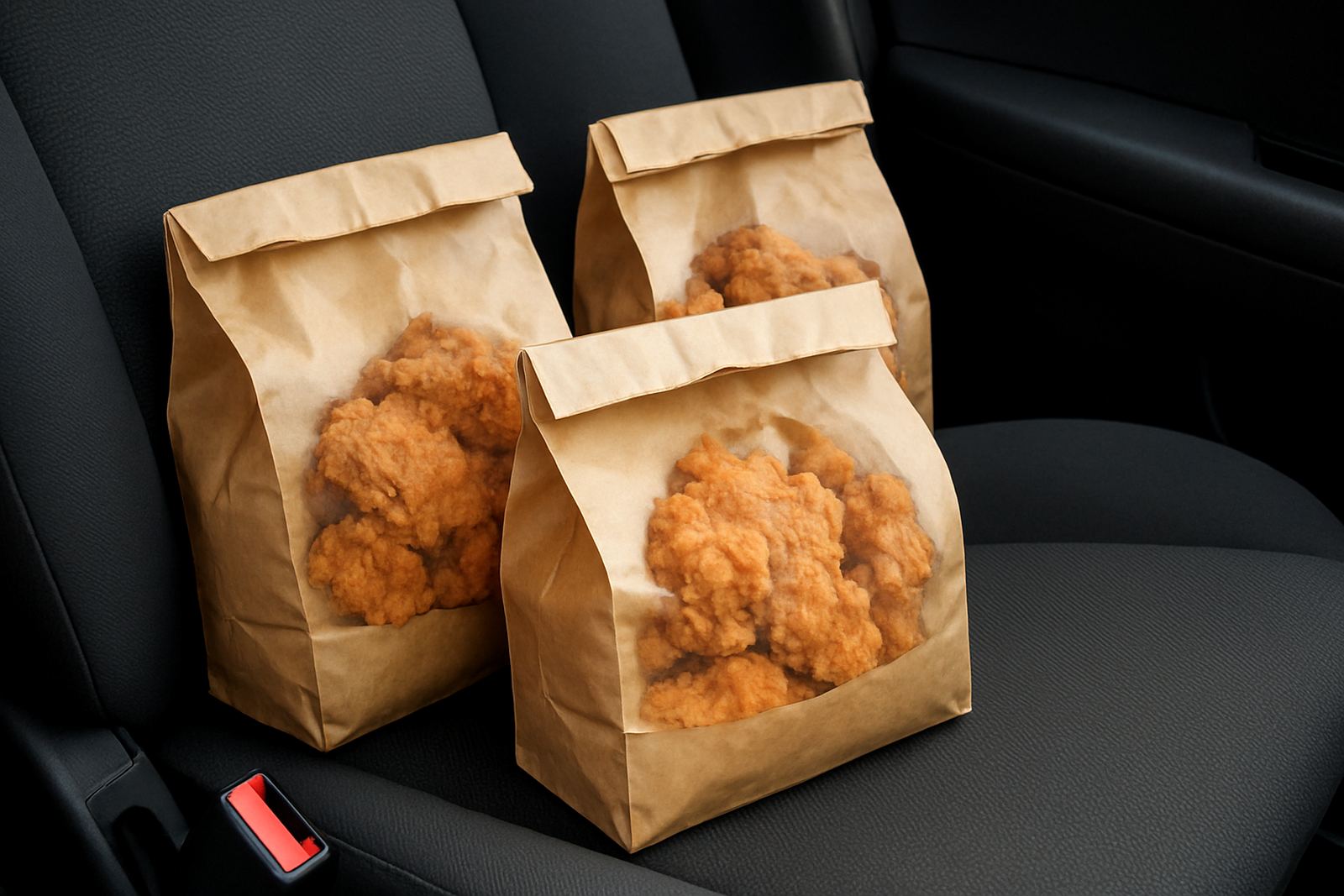
Fried chicken stays crisp when the steam has somewhere to go. If a box is packed too tightly, moisture gathers inside and the golden coating starts to soften. In summer this happens even faster, especially on short trips with the windows closed and the parcel resting on a seat. In winter, the heat can stay trapped for longer, so the box still needs breathing space.
There is a balance to keep. You want enough insulation to hold warmth, but not so much that the pieces sweat. That is why the best takeaway packing uses firm boxes, sensible portion spacing and a short hold time before collection. For a customer heading to Protea Glen after work, those few minutes make a real difference.
- Do not seal hot chicken in a cramped bag for too long before the drive.
- Keep gravy, sauces and wet sides in separate containers.
- Place boxes flat so pieces do not tip and knock the coating loose.
- Open the pack soon after arrival if the meal needs a little air.
The sides need their own place
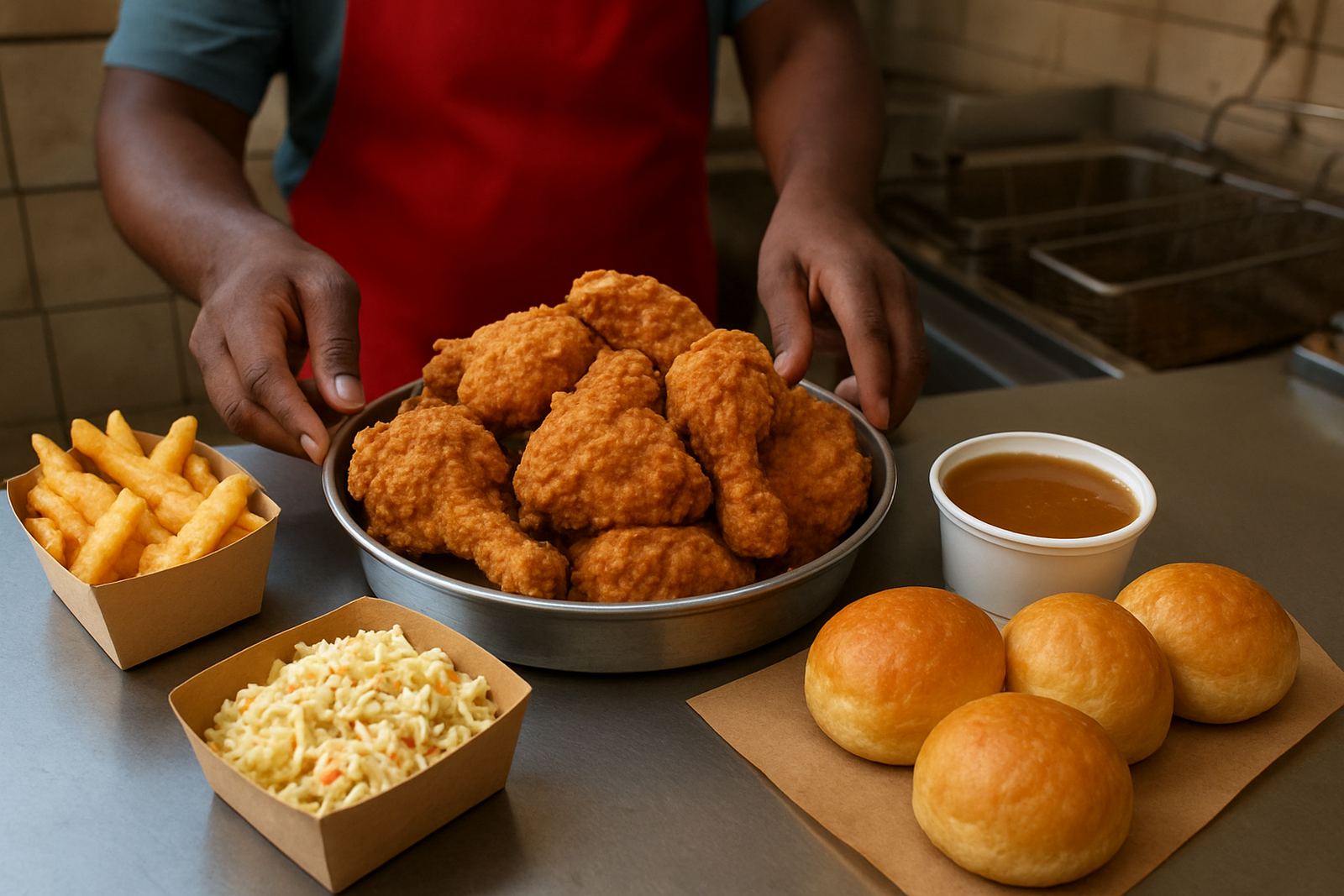
Chicken is only half the story in a proper kasi meal. Pap, chips, coleslaw and other sides each behave differently in transit, so they should not be thrown together and hoped for the best. A dry side next to a hot and oily piece can turn soft at the edges, while a wet side can spread and spoil the look of the whole meal.
Separate packing helps each item keep its own texture. Chips stay drier, pap stays settled and salads do not get mashed against the chicken. For funeral order support or church group orders, this matters even more because many plates are being served at once and people expect consistency. A neat box saves time at the venue and reduces complaints before the food is even opened.
- Dry items travel best in a firm box with a little air.
- Soft sides should be packed to stop them moving or tipping.
- Wet sauces must be closed properly and kept upright.
- Large group orders should be labelled by pack type or meal count.
Why collection timing changes the result
The best packing can still be undone by waiting too long. If a collection is early and the food sits around, the steam builds up and the coating softens. If it is late, the chicken may cool too much and the sides lose their freshness. That is why collection time slots and weekend prebooking help so much, especially when customers are moving between Soweto, nearby homes and events across town.
For a school event or a Saturday family takeaway, time matters as much as recipe. A kitchen can only pack well if it knows when the food will leave and when it will be eaten. That is one reason careful ordering helps households, groups and catering customers keep the meal in good shape without rushing at the last minute.
A Soweto example: from Orlando West to a family table
Picture a Friday evening collection in Orlando West. A parent orders a family pack, two boxes of classic pieces, one spicy pack for the adults and chips for the children. The drive might only be a few kilometres, but it still includes traffic, stop starts and a few bumps in the road. If the boxes are stacked badly in the boot, the pieces shift and the crust cracks before supper even begins.
Now picture the same order packed with care. The chicken sits level, the lids stay firm and the sides are placed so they do not press into the hot pieces. By the time the order reaches Diepkloof or Dobsonville, it is still easy to serve. The food may not be straight from the oil anymore, but it still feels like a proper meal and not a rushed packet of leftovers.
That is the practical value of good boxing. It respects the trip, the heat and the people waiting at home. It also saves time for the customer because there is less rearranging, less mess and less need to rescue the food after opening.
What careful boxing says about the kitchen
Good takeaway packing is often noticed only when it goes wrong. When it goes right, the meal feels natural and easy to share. That is why a kitchen that packs properly is usually a kitchen that handles the whole order with care, from the oil temperature to the final counter handover. It shows in the weight of the box, the way the pieces sit and the fact that the food arrives ready to eat.
For everyday lunches, evening queues and weekend family takeaways across Soweto, that kind of consistency matters. People want food that travels well from Orlando West to nearby areas, and they want it without drama. Careful boxing is not a fancy extra, it is the practical part of serving fried chicken that still tastes like it should when the door opens at home.