
The first job is to be ready before the queue forms
Good lunch service starts long before the first order comes in. In a busy Soweto kitchen, the team cannot wait for the rush to find its rhythm, it has to be set up from the start of the shift. That means oil checked, seasoning measured, packaging stacked, counters wiped, and the front team briefed on what is moving fastest that day.
At Kasi Fried Chicken, prep is organised around real local demand. Lunch orders often come in waves from Orlando West, then from Diepkloof, Meadowlands, Protea Glen, Dobsonville and Naledi. Some customers want a quick solo box, others are collecting for a family table or a weekend plan. The kitchen has to keep all of that in mind while still serving each order in sequence and keeping the coating crisp.
That kind of preparation is not only about speed. It also helps with consistency. When the portions are prepped to the same standard, the front counter can explain options clearly and the kitchen can keep the same flavour from the first plate of the day to the last order before closing.
Station work keeps the pace calm when the orders stack up
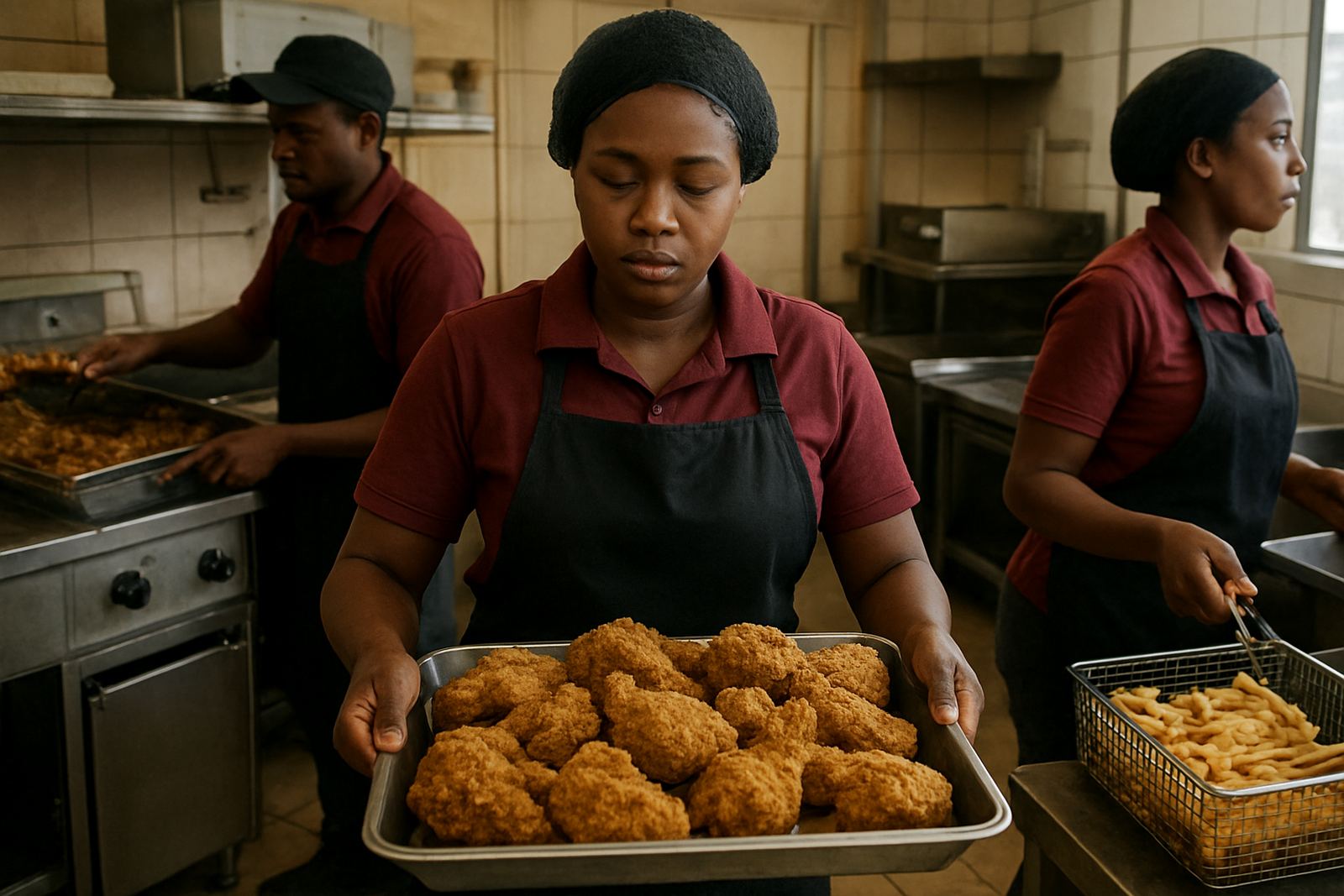
Peak service can become messy if everyone tries to do everything at once. A clear station setup prevents that. One person focuses on frying, another handles packing, someone else manages the counter line and collection timing. The result is a calmer kitchen, even when the queue is long and the phone is busy with call ahead orders.
In practice, this is what that looks like:
- Orders are grouped by size and timing so larger family packs do not slow down quick lunch boxes.
- The fryer is kept at a steady working temperature, so each batch cooks evenly and does not come out oily.
- Packaging is assembled before food lands, which reduces delay at the handover point.
- Collection time slots are honoured where possible, so people can plan around work breaks, school pickup, or a taxi route.
It sounds simple, but this is where many kitchens fall apart. If the counter is waiting on the fryer, the queue grows. If the fryer is waiting on packing, the chicken loses heat. Good rhythm means each person knows the next step before it arrives.
Local lunch orders need food that travels well
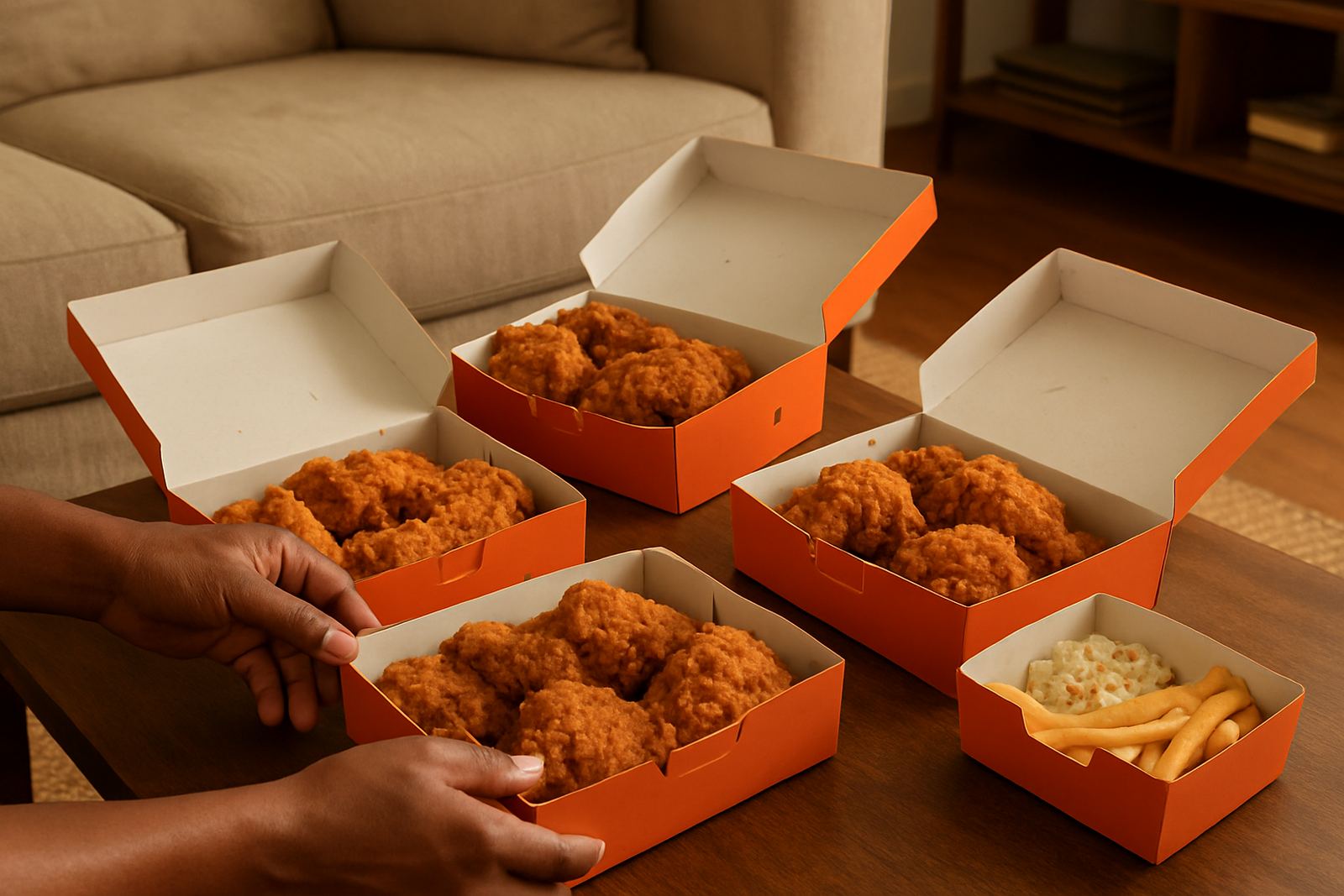
Not every meal is eaten straight out of the bag. In Soweto, plenty of lunch orders are headed to a workshop, a home yard, a church hall, a soccer field or a family gathering later in the day. That is why travel friendly packaging matters. The food must hold together, keep its heat, and arrive without steam turning the coating soft.
Kasi Fried Chicken works with packaging that supports the food instead of fighting it. Boxes need enough breathing space to protect the crust, but not so much space that the pieces slide around on the ride. Sides need to stay in their own containers. Sauces and spicy options need to be packed so they do not spill into everything else. These small decisions make a real difference once a customer gets home or to the office.
In Orlando West and nearby areas, that practical approach is just as important as flavour. The meal has to survive taxis, bakkie rides, and foot traffic from the collection point to the final table. A good lunch rush kitchen understands that the handover is part of the cooking process too.
Friendly counter service keeps the line moving
Lunch queues are not only about food, they are about communication. If the counter team is calm, clear and quick, customers feel looked after even when the line is long. That matters in a community setting, because the way people are spoken to shapes the whole queue.
At the front counter, simple service habits make the biggest difference. Speak clearly, confirm the order, explain wait time honestly, and keep the next collection moving. If a family pack needs a few extra minutes, the customer should know that before it becomes a problem. If a prebooked tray is ready, it should be handed over without delay.
The team at Kasi Fried Chicken treats this part of the day as part of the kitchen rhythm, not separate from it. Busisiwe Hadebe keeps the floor organised, while Kopano Phalatse helps ensure that front counter flow stays steady. That balance between kitchen and customer side is what lets the lunchtime rush feel controlled instead of chaotic.
Weekend orders and group food need different planning
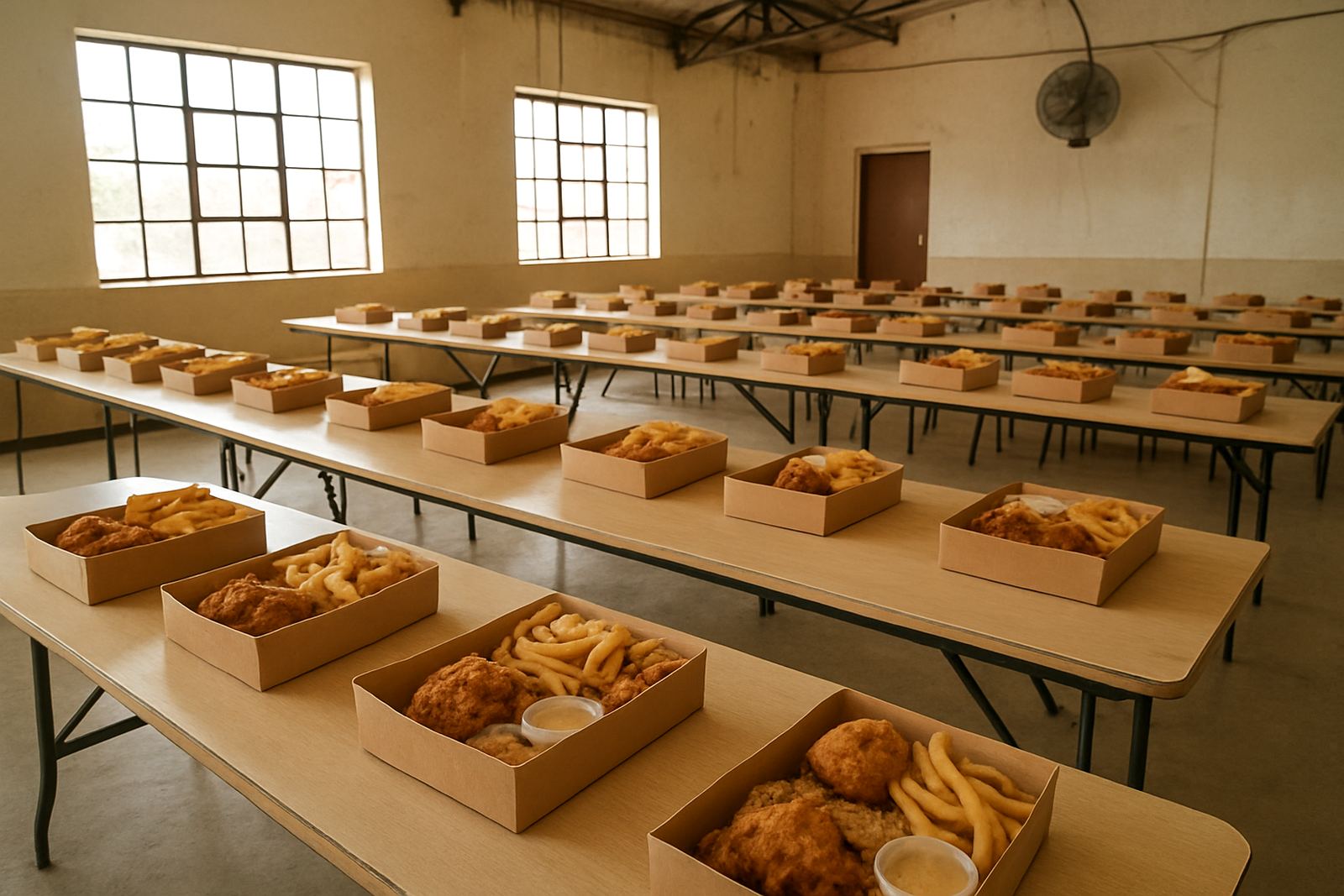
Weekend service is a different type of pressure. People order for birthdays, church groups, school events, funeral support, family visits and informal get togethers. These orders are larger, often more varied, and usually need collection times that fit around transport or service schedules. If the kitchen does not plan ahead, the rush can spill into the rest of the day.
Noluthando Mokoena coordinates the bigger orders so the kitchen can prepare without overloading the main counter. That planning helps with portion control, packaging and timing. It also means the store can handle event snack packs, party tray orders and family pack catering without rushing the ordinary lunch trade. It is a useful discipline in a busy township kitchen, especially when load-shedding or supply interruptions can change the pace of the day.
- Weekend prebooking helps the kitchen prepare stock and packaging before the peak arrives.
- Funeral order support needs quieter handling and fixed collection timing.
- Church group orders and school event orders often require larger volume with straightforward menu choices.
- Nearby collections work best when the handover point is clear and the order is labelled properly.
When this is done properly, the kitchen can serve both the ordinary lunch crowd and the larger community orders without one interrupting the other.
Quality control is what keeps the rhythm worth trusting
Fast service means very little if the food changes from batch to batch. That is why quality control has to sit inside the rush, not outside it. At Kasi Fried Chicken, the quality and hygiene lead keeps an eye on holding times, packing standards and the general cleanliness of the working area throughout the day. That is basic discipline, but it is what protects flavour and food safety.
In hot weather, the kitchen has to watch how long food sits before collection. In cooler months, it still has to protect crispness and avoid soggy packaging. The kitchen supervisor, Vutlhari Ngqula, keeps the pace steady so the fryer and packing line do not drift. That matters when the lunch queue is long, because one rushed batch can spoil the next few orders if nobody is paying attention.
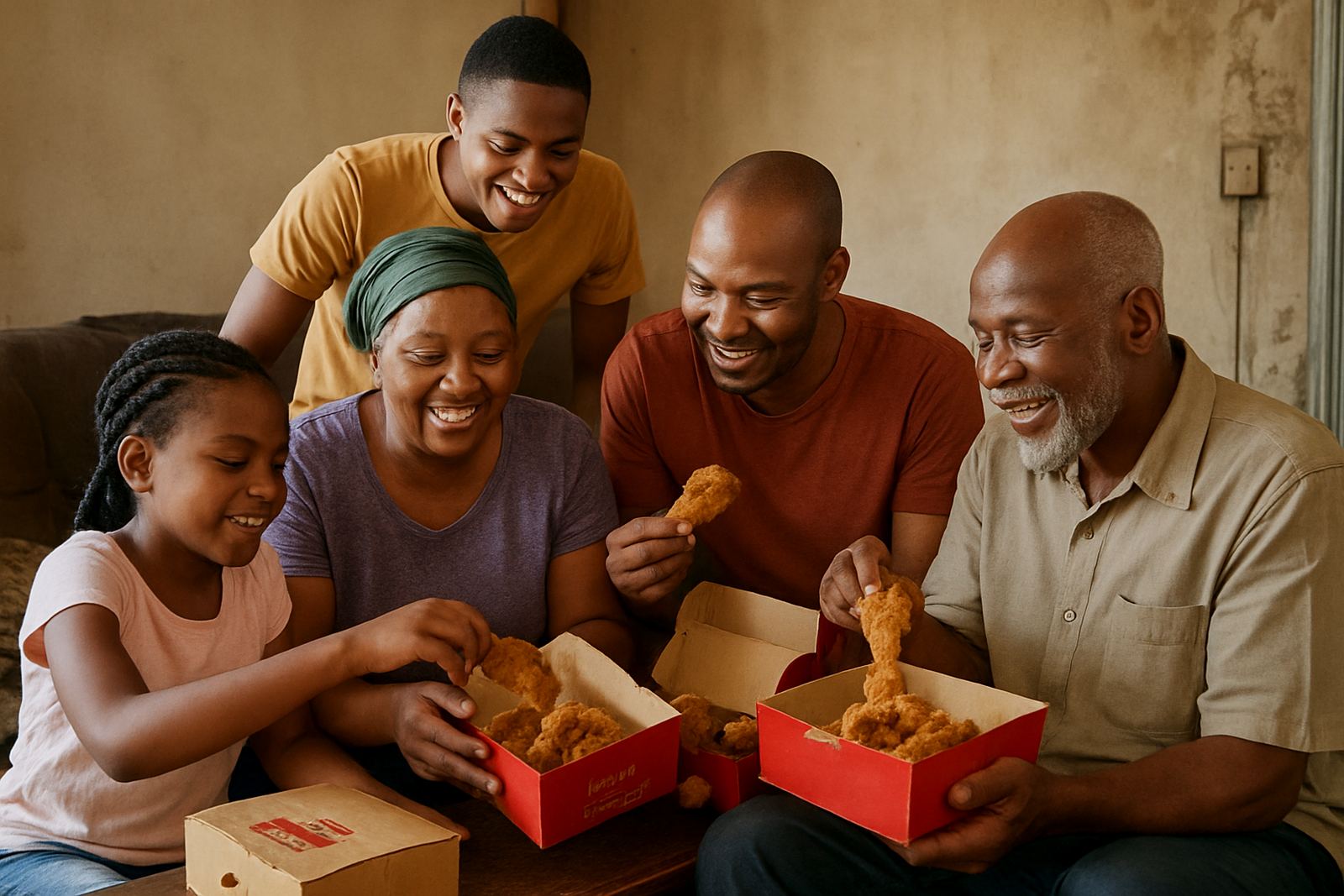
Calm teamwork is what customers notice most. The food arrives as expected, the portions are fair, and the order is not half-missing or over handled. That is the kind of reliability that keeps a neighbourhood lunch kitchen busy year after year.
What a good lunch rush looks like in Orlando West
The best service days are not the quiet ones. They are the days when the line is full, the orders are varied, and the team still handles each handover with the same care. In Orlando West, that means being ready for school runs, work breaks, late lunches and family pickups all in the same afternoon. It also means knowing that nearby customers from Soweto do not want drama, they want food that is hot, neatly packed and ready when promised.
That is the real kitchen rhythm. It is measured in timing, teamwork and attention to detail. Sibusiso Mthembu keeps the business focused on that standard, and the working structure around the kitchen reflects it. When the process is right, the rush does not feel like a scramble. It feels like a service moving in time with the neighbourhood.
For customers, that means one simple thing: when lunch is busy, the kitchen still stays steady. And when the kitchen stays steady, the meal keeps its quality from the fryer to the collection bag, all the way home.