
Start with a count, not a guess
Weekend feeding goes smoother when you count heads before you start ordering. A family of six can turn into ten once cousins, neighbours and church visitors drop by, so it helps to plan for a little extra rather than having to stretch one tray too far.
For longer stays, think in meals instead of one single order. Lunch can be your main chicken spread, then supper can be lighter with leftovers and fresh side dishes. That keeps the cooking manageable and stops the kitchen from getting overloaded on a busy Saturday afternoon.
- Count adults and children separately
- Allow extra pieces for unexpected visitors
- Plan one main meal and one lighter follow-up meal
- Keep a small reserve for late arrivals
Choose a mix that suits mixed appetites
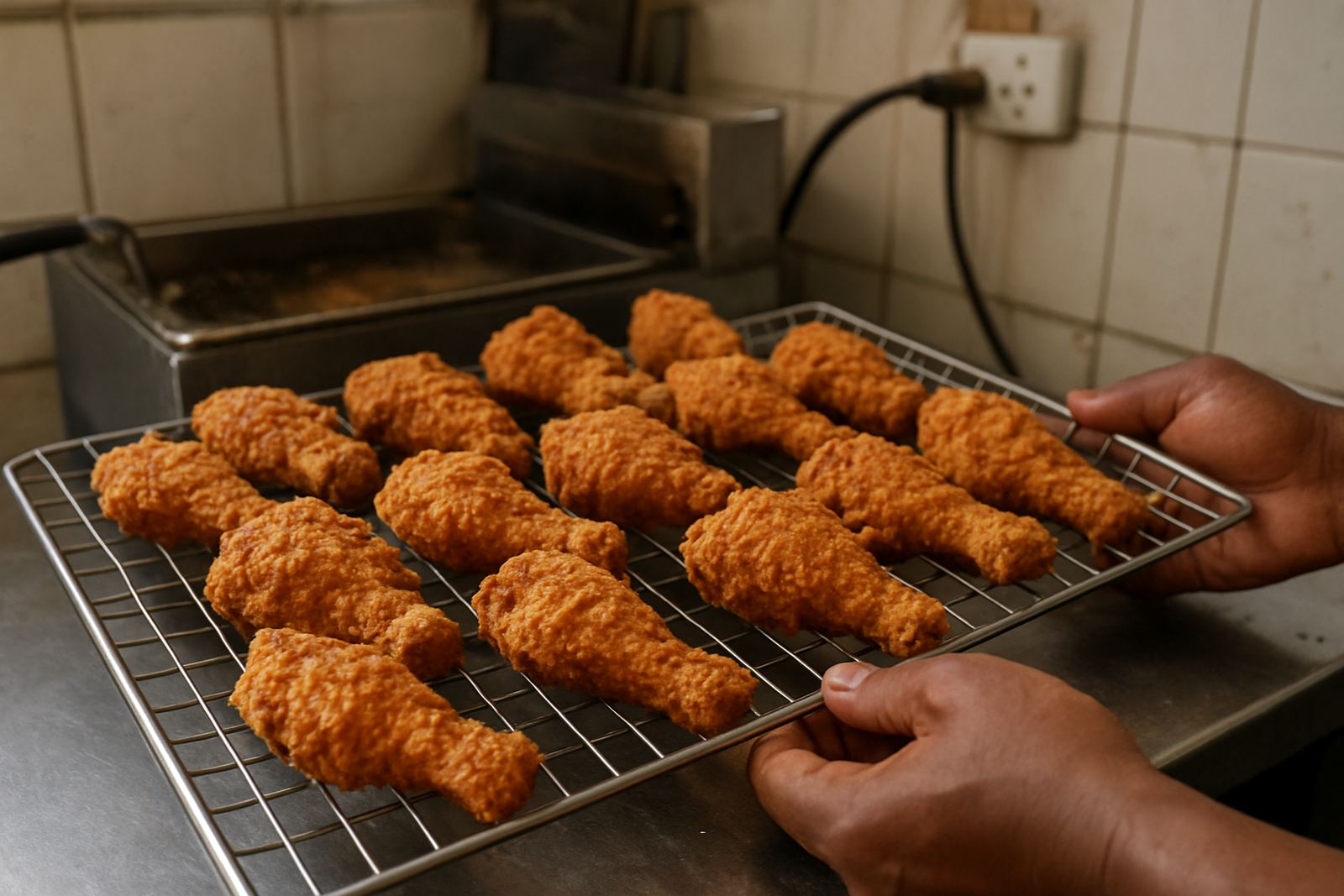
In one household, you will always have someone who wants plain pieces, someone who wants spicy chicken, and someone who only wants the drumstick. The safest approach is to mix classic pieces with hotter options so everybody gets something they can eat without arguments at the table.
Good weekend feeding is about balance. Add enough chicken for the meat eaters, then match it with starches and vegetables that fill plates properly. If your visitors are travelling from Orlando West to Meadowlands or Protea Glen, they will usually want food that stays fresh and does not turn soggy before it is served.
Build the plate around sides that travel well
Chicken is only half the job. The sides carry the meal and help make one order feed more people. Starch, salad and something with a bit of sauce can go a long way, especially when the family is eating over two sittings.
For weekend orders, choose sides that hold their shape and still taste good after a short drive or a wait on the counter. That matters during load-shedding too, when households may be timing meals around the power coming back on and the kettle, stove or microwave all need to work in a tight window.
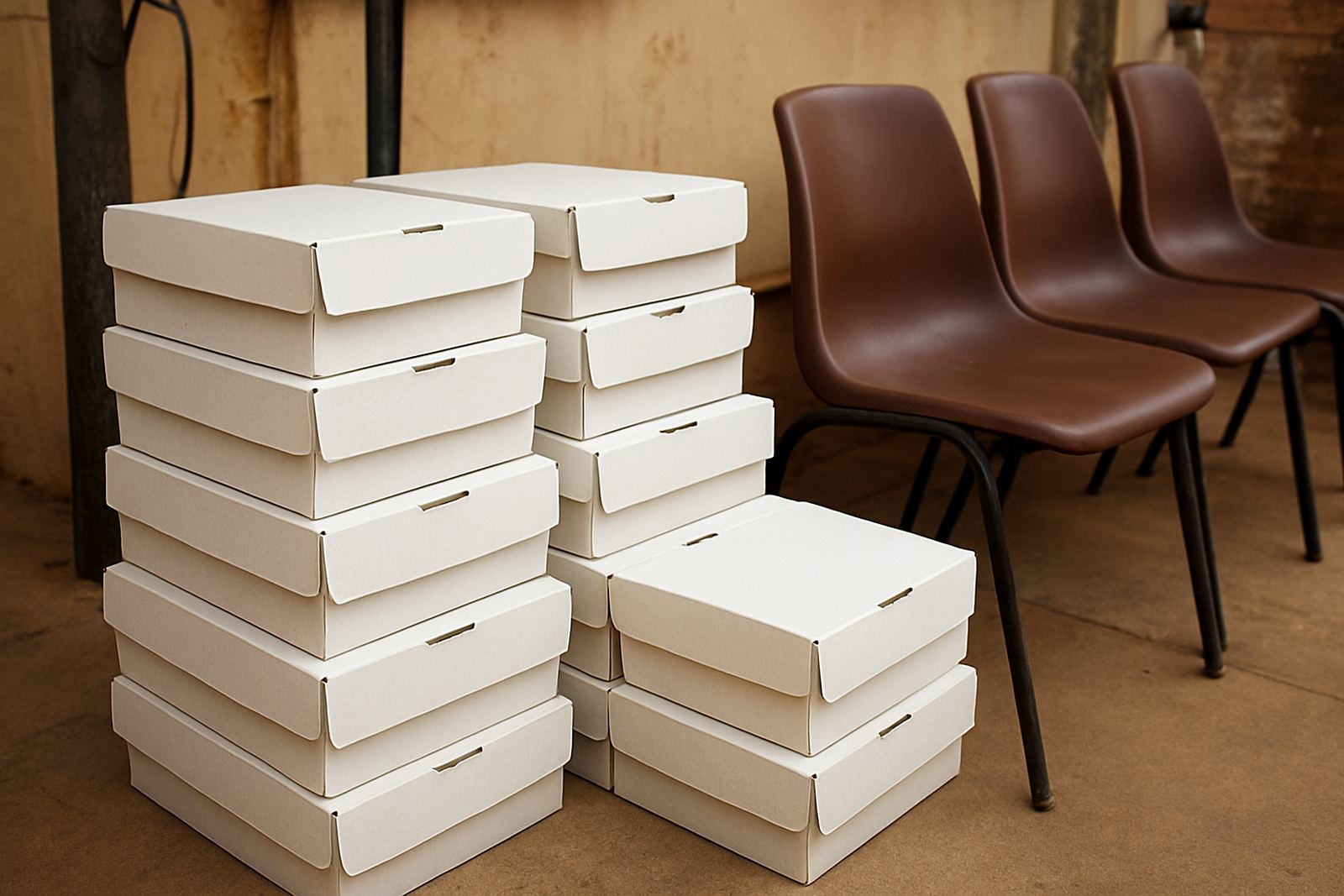
- Paper or boxed packaging that keeps pieces together
- Starches that stay firm and do not collapse in the tray
- Simple salads or slaws for balance
- Sauces packed separately when needed
Use collection slots to protect your timing
Weekend family feeding often runs late because one person is still in church, another is fetching relatives, and the children are not yet back from the yard. That is why collection time slots are useful. They let you line up the food with the real rhythm of the day instead of guessing and standing around.
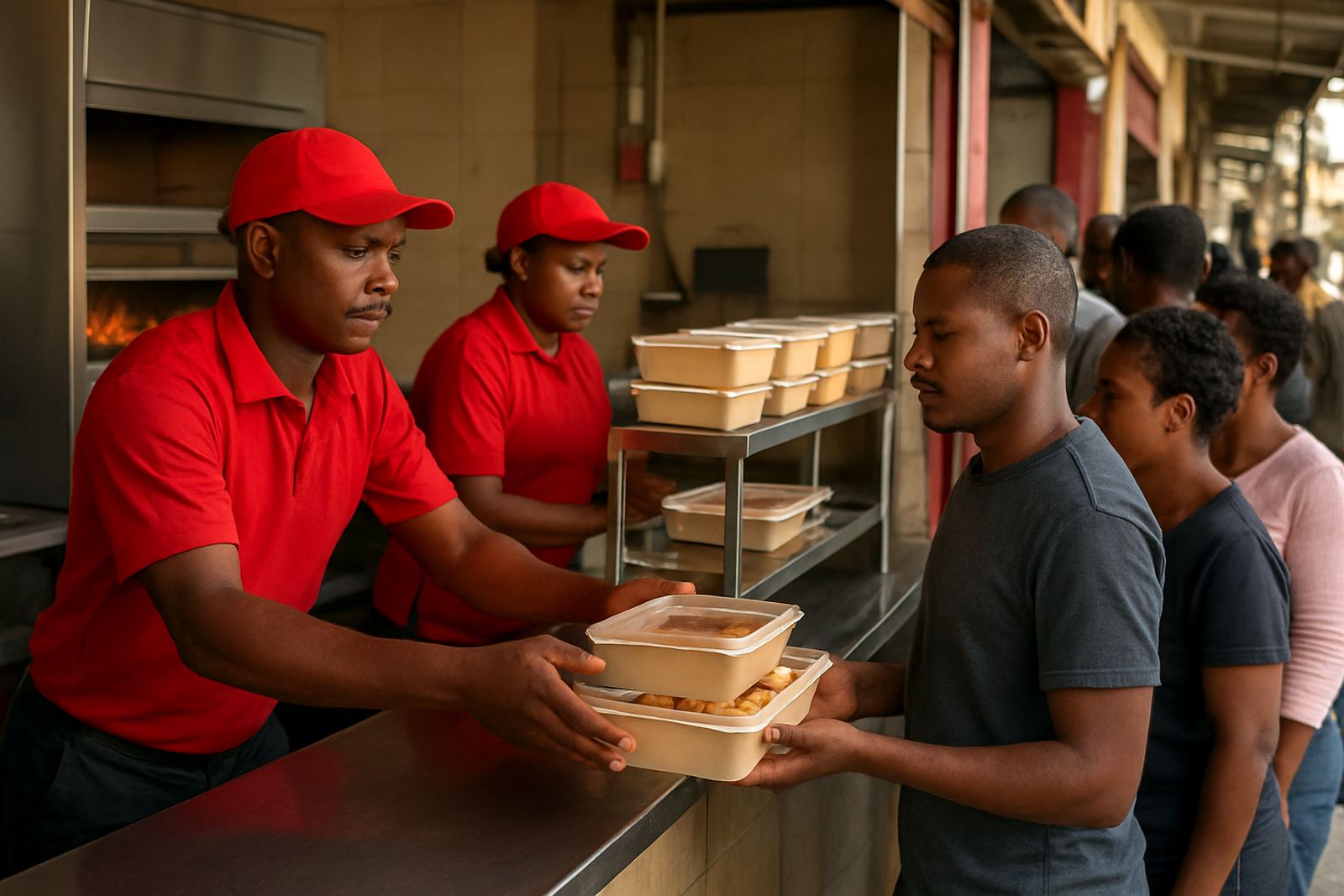
If your guests are coming from Dobsonville, Naledi or Diepkloof, a timed collection can save fuel and cut the waiting. It also helps when you are managing a funeral, a homecoming or a family visit where the meal must be ready at a set hour and there is no room for delay.
Think like a host, not just a buyer
A good host does not only ask, “How much food do I need?” The better question is, “How will people eat it?” For some homes, that means setting out one big spread. For others, it means sending food out in waves, with the younger ones eating first and the older relatives served once everyone is seated.
This is where family pack catering and boxed lunches help. They make portions easier to hand over, especially when visitors are arriving in small groups. It also keeps the kitchen less crowded, which matters in many Soweto homes where the cooking space is already busy with pots, plates and people moving around.
- Keep napkins and serving spoons ready before the food arrives
- Separate children’s portions if needed
- Label spicy trays so nobody is surprised
- Set aside one clean table for serving
A simple Orlando West example that works
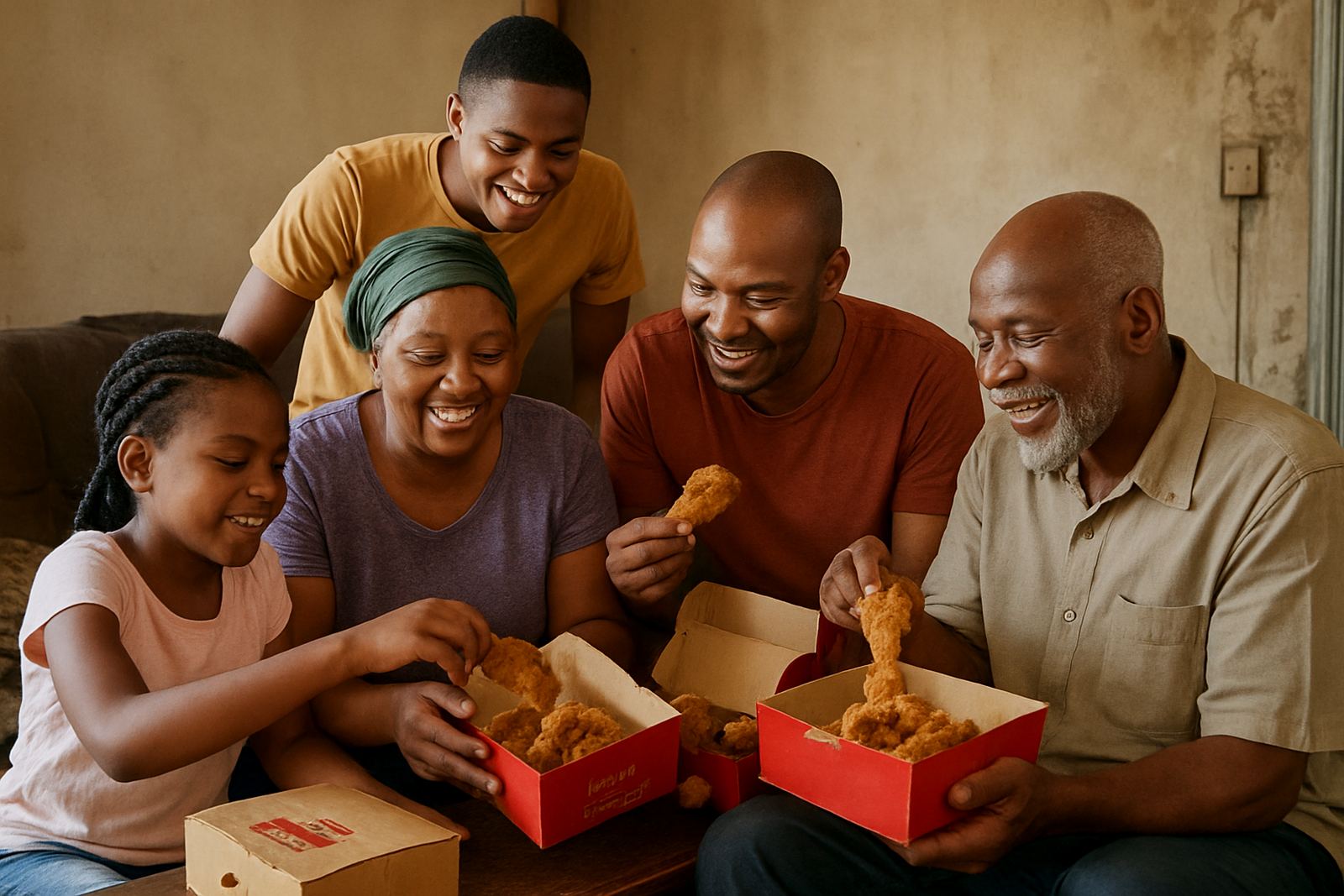
Picture a Saturday in Orlando West. Two uncles arrive from Meadowlands, the aunties come in from Dobsonville, and the children are already asking what time lunch is. Instead of cooking three different meals, the family places one order with mixed chicken, enough sides for sharing and a few extra boxes for later.
The food is collected in a single run, carried home in packaging that travels well, and served in rounds so nothing gets wasted. By Sunday afternoon, the leftovers are still useful for tea time or a light supper, which is exactly what longer weekend stays need. That kind of planning saves money and keeps the household calm, even when the visitor count grows a bit more than expected.
Make the last meal as easy as the first
The final meal of the weekend should not feel like an afterthought. Keep a little chicken aside, store the sides properly and let the next serving be quick to warm and easy to plate. That way, nobody is stuck in the kitchen for an hour while the rest of the family is sitting around waiting.
Weekend family feeding works best when the plan is practical from the start. Good portions, steady timing and food that still looks respectable after transport are what make the difference. When the visitors are leaving and the plates are cleared, you want a household that has eaten well without the stress of starting over every few hours.