
Why order control matters when the queue gets long
At Orlando West, a busy service can shift fast from a few counter orders to a full run of family packs, school collections and weekend trays. Once that happens, the kitchen cannot rely on memory alone. Every bag needs a name, every pack needs a count and every collection time has to be clear before the oil cools down.
Good order control protects the food and the customer’s time. It helps the kitchen keep pieces hot, sides matched up and spicy options separate from milder meals. It also reduces mistakes like missing sauces, mixed-up labels or one extra piece going to the wrong order. That matters even more when customers are travelling to Diepkloof, Meadowlands, Protea Glen, Dobsonville or Naledi.
In a township food business, organisation is not paperwork for its own sake. It is the difference between a smooth rush and a long line of returns at the counter.
Labels that tell the kitchen exactly what to pack
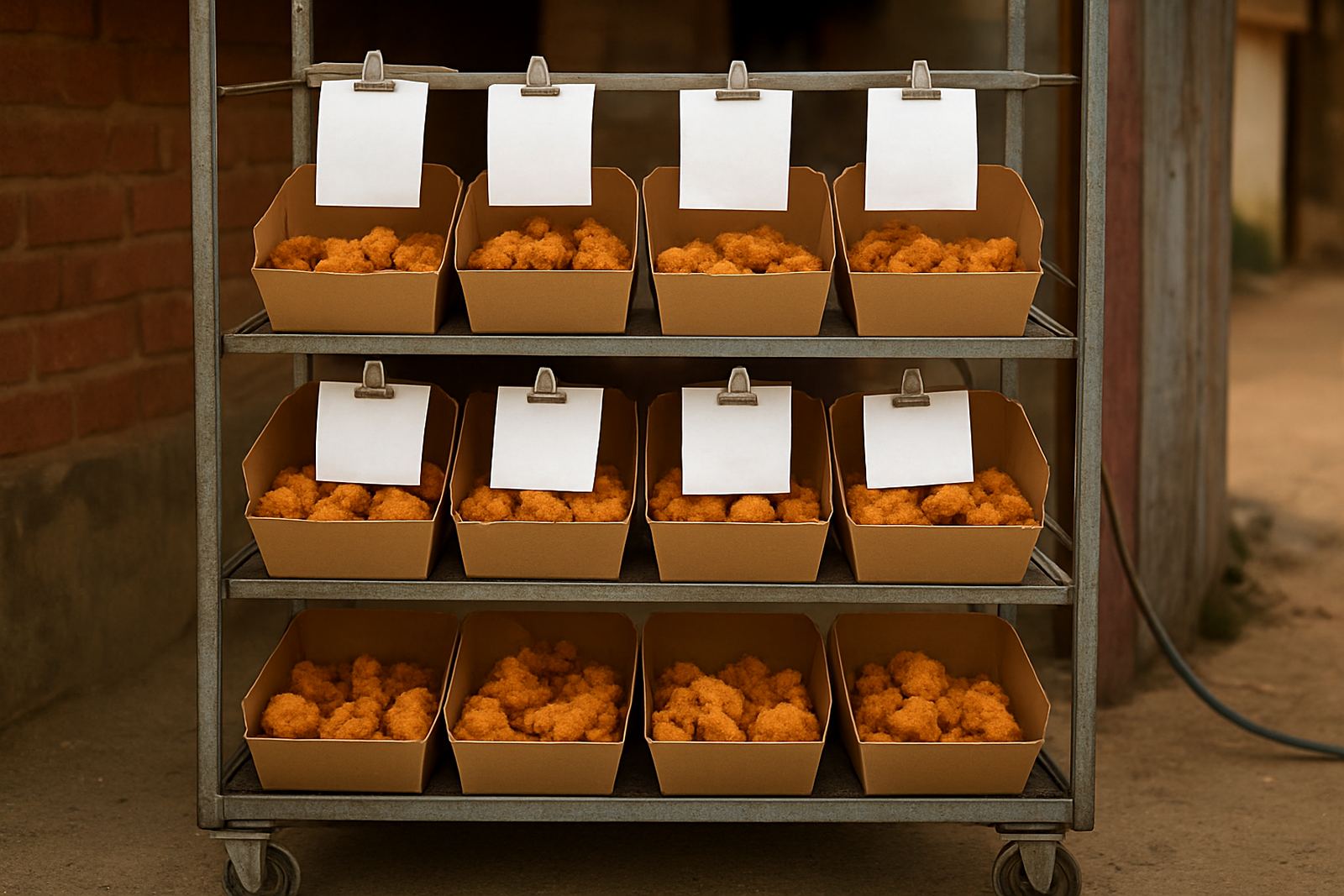
A proper label should do more than carry a surname. It must show the order type, the size, the time and any special note that affects packing. If a tray is leaving for a church group in an hour, that needs to be obvious. If one box is for a child and another is for adults, the count must be plain on the label.
The best labels are simple enough for kitchen staff to read at a glance, even during a full lunch rush. That means bigger writing, clear meal names and no guessing. It also means keeping sauces, napkins and disposable cutlery grouped together so the handover is clean.
- Customer name or collection reference
- Number of pieces or meal boxes
- Time slot for collection
- Any spicy or mild note
- Extra sides, sauces or packaging requests
That small discipline saves time at the counter and cuts down on rework. It also helps when a group order is split across more than one bag.
Counting pieces before oil leaves the pan
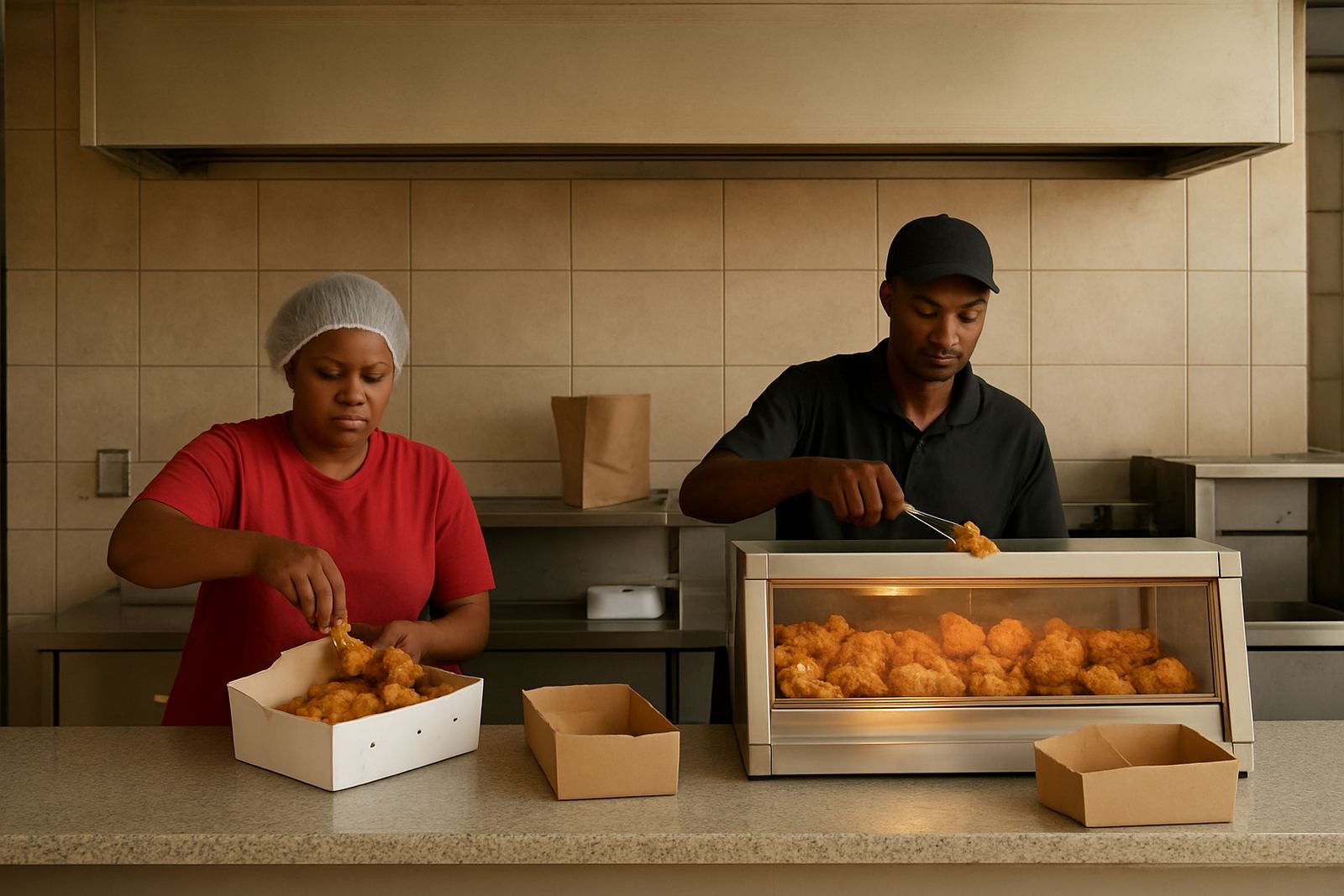
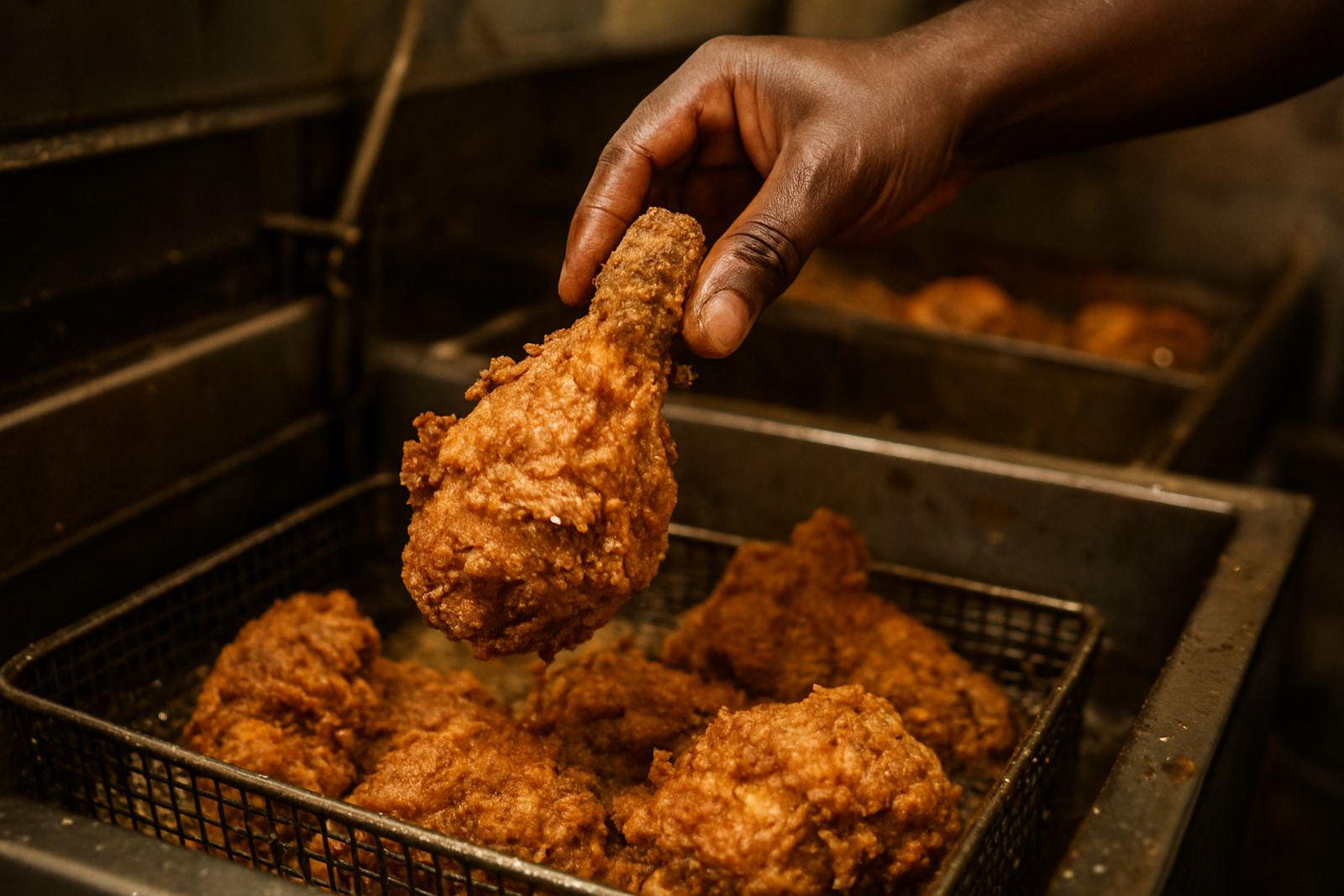
Fried chicken is counted twice in a busy kitchen. First when the order is taken, then again when the pack is closed. That second count is important because once the pieces are in boxes, it is easy to miss one drumstick or add one extra wing to the wrong order. A quick check before sealing avoids trouble later.
For family takeaways, boxed lunches and event snack packs, the count must be matched to the meal plan. A 12 piece family order should not leave with 11 because someone was rushed. The same applies to sides. If chips, rolls or salad are part of the package, those items should be checked off before the bag goes out.
Reliable counting is also useful for stock control. When the kitchen knows exactly how many pieces go out each hour, it can plan batches better and reduce waste. That is important when the day is hot, the queue is long and demand comes in waves.
- Count pieces before packing starts
- Check sides against the printed or written order
- Separate special meals from the main batch
- Do a final count before sealing the bag
Timing collection so food stays hot and crisp
Timing is as important as seasoning. If an order is ready too early, the coating softens and the chips lose their bite. If it is ready too late, the customer stands waiting and the whole counter slows down. That is why collection time slots work well for larger orders and weekend prebooking.
For Soweto customers moving between home, taxis and church halls, a sensible time plan makes a real difference. A lunch queue in Orlando West may need quicker turns, while a Sunday order for a family gathering can be staged in a calmer block of time. Planning ahead also helps with load-shedding, because the kitchen can adjust batch timing and avoid food sitting out longer than needed.
Good timing does not mean rushing the kitchen. It means matching the cook time, pack time and collection time so the food reaches the customer in good condition.
How family packs and group trays stay under control
Large orders are easier to manage when they are built in stages. Start with the main pieces, then add the sides, then label and stack for the correct collection point. This is especially useful for funeral order support, church groups and school event meals where several people may be collecting at once.
Each order should be tied to one clear destination. If a catering order is heading to Naledi and a smaller box is going to Protea Glen, they should not be packed side by side without a clear separation. A simple tray map or packing line keeps the kitchen from mixing similar bags.
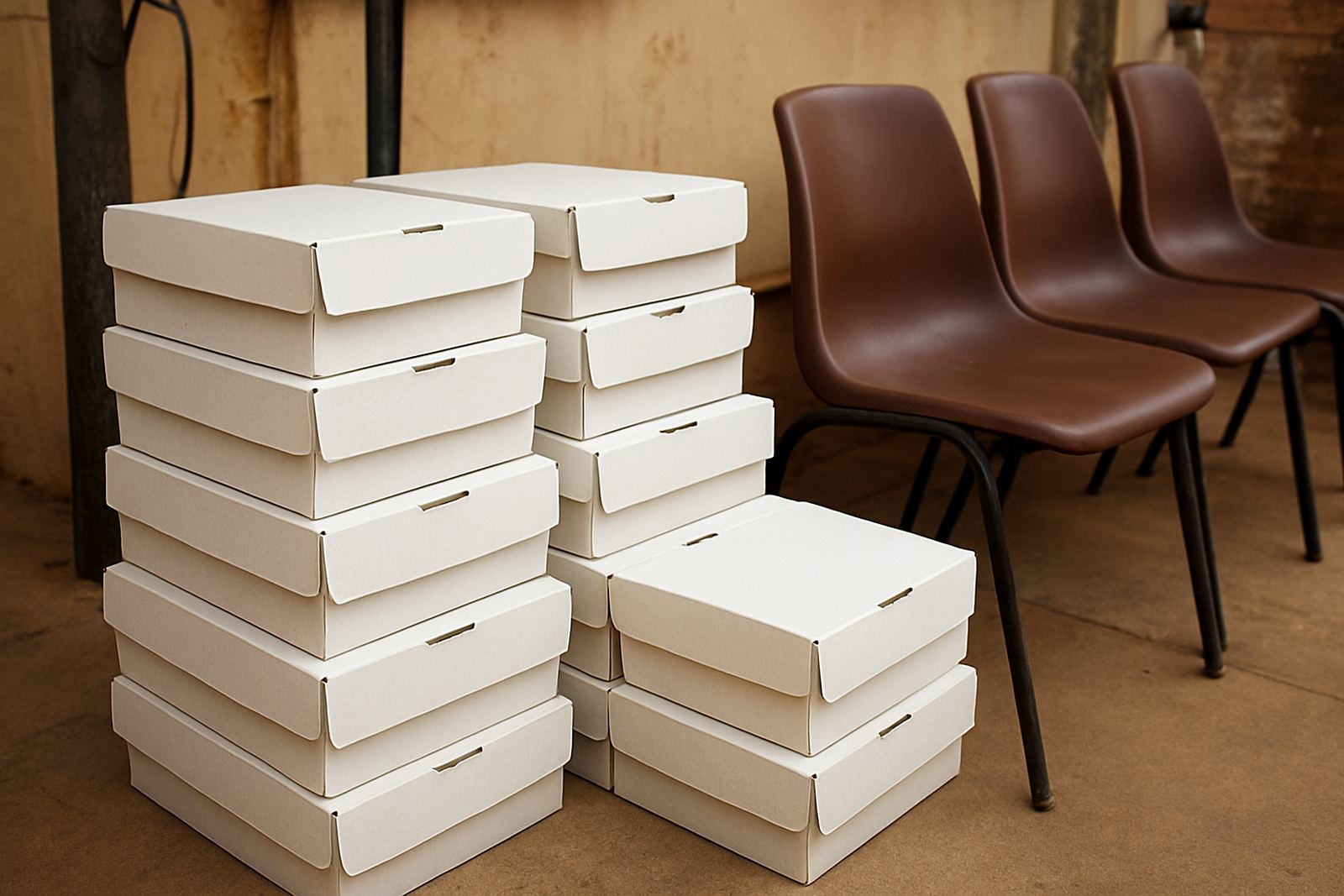
Well organised packing also helps with travel. Boxes need to close properly, bags need to stand upright and gravy or sauces must be placed so they do not spill in a taxi or car boot.
- Use one packing point per order
- Keep hot items apart from cold or dry items
- Mark trays for group sharing clearly
- Stack bags by collection time, not by guesswork
Front counter habits that keep the rush moving
The front counter is where the order is either made easy or made messy. Clear communication matters: speak slowly, repeat the count and confirm the collection time before the customer moves away. If a customer calls ahead from Meadowlands or Dobsonville, the order should be read back before payment is closed.
Small habits make a big difference. A tidy counter, separate bags for ready collections and a simple handover check all reduce confusion. It also helps to keep walk in orders, call ahead orders and weekend prebooking in separate queues where possible, so the team can manage pressure without slowing everyone down.
When the front of house team and kitchen team work from the same order information, service feels calm even when the day is busy. That is the kind of order control customers notice immediately.
A Soweto example: one Saturday, many moving parts
Think of a Saturday in Orlando West. A few lunch customers come in early, then a church group places a collection for the afternoon, while a family in Diepkloof wants a tray for visitors and another customer from Protea Glen asks for a quick boxed lunch run. If every order is treated the same way, the counter becomes slow and mistakes start creeping in.
With proper organisation, each order gets a clear label, a set count and a collection time. The kitchen can batch the work, the counter can call out the right names and the delivery coordinator can stage travel orders in the correct sequence. That keeps the line moving and the food in good shape. It also gives customers confidence that their order will be ready when they arrive, not half an hour after they were told to collect.
That is the practical side of good fried chicken service. The flavour matters, but clear order handling is what keeps the counter moving properly.