Why a shorter menu serves a busy kasi kitchen better
When people arrive hungry, they do not want to study a long list of options. They want to know what is ready, what it costs and how fast it can move. That is why a simple menu works so well in a kitchen that serves lunch queues, evening takeaways and weekend family orders across Soweto.
A shorter menu also keeps the kitchen honest. The team can focus on frying chicken properly, seasoning it well, checking the colour of the coating and keeping the portions steady. If every item has a clear role, the counter does not get clogged with special requests that slow down service for everyone else.
For a place serving Orlando West, Diepkloof, Meadowlands, Protea Glen, Dobsonville and Naledi, speed matters. People are collecting on the way home, stopping after work or placing family orders for later in the day. A tight menu makes those handovers smoother.
What people usually want from a meal line
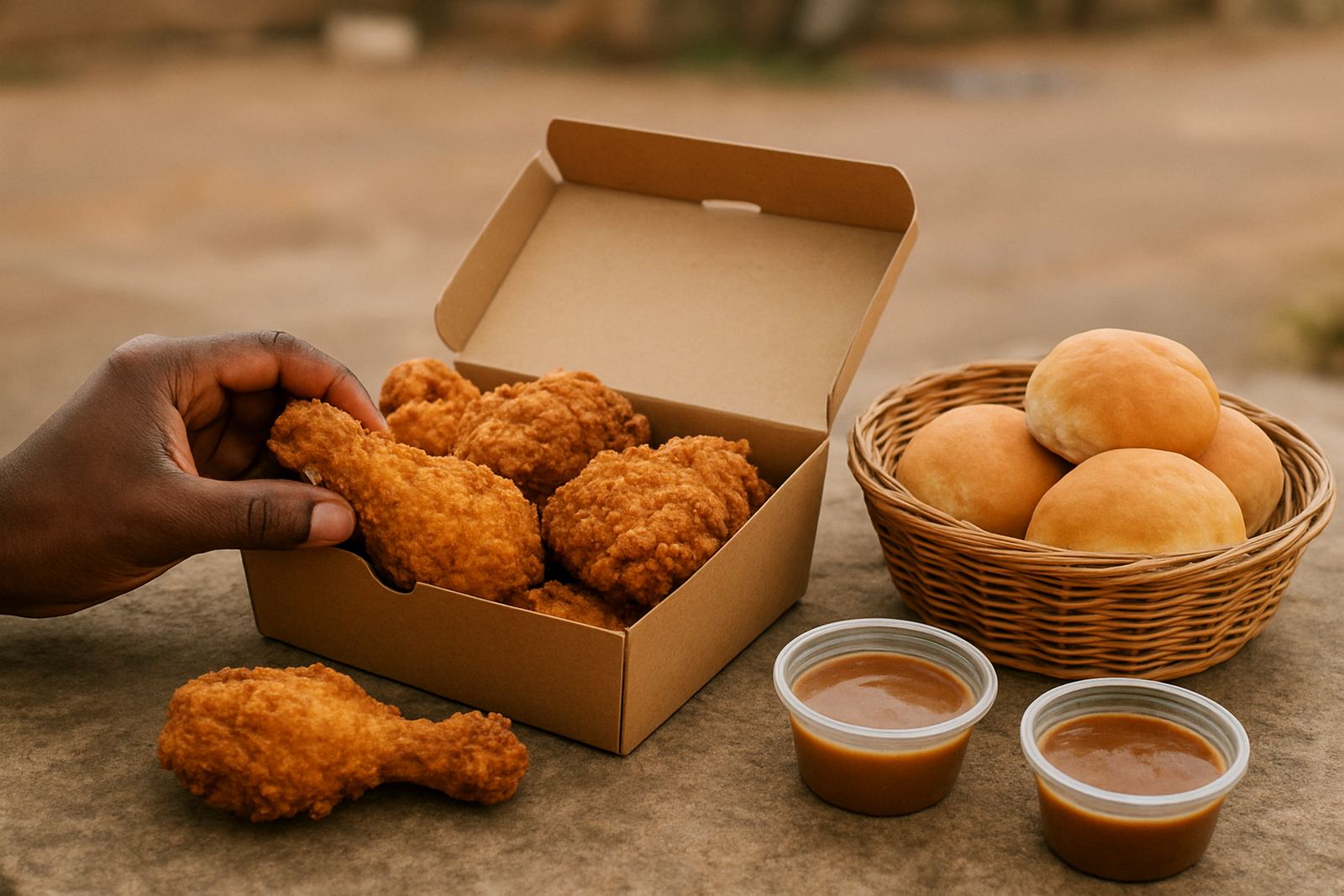
A good fried-chicken menu does not need many surprises. It needs a few dependable choices that cover most buying habits. Some customers want classic pieces, others want a bit more heat, and many simply want a combo that can feed the household without a lot of back and forth.
In practice, the strongest menu lines are the ones people understand at a glance. They should be easy to call out at the counter, easy to pack for travel and easy to repeat next week. That familiarity helps with lunch queues, church group orders, school events and family packs for the weekend.
- Classic pieces for customers who want a familiar taste
- Spicy options for people who want more heat without complicating the order
- Simple meal combos for quick lunch decisions
- Family packs for shared meals and home collections
- Boxed lunch options for groups and working teams
How fewer choices can improve quality
Less choice does not mean less value. It often means better control. In a chicken kitchen, every added item brings extra timing, extra packaging and extra room for inconsistency. A lean menu keeps the frying rhythm steady and lets the team pay attention to what matters most: crisp coating, proper seasoning and food that still holds up when it travels across town.
This is especially important in South African conditions. On hot days, packaging must breathe enough to stop soggy pieces. On colder evenings, food still needs to stay hot long enough to reach the car, taxi or home table. In load-shedding periods, kitchens also need clear systems so that orders keep moving without confusion. A simple line-up helps with that because the process is easier to manage from the counter to the collection point.
Quality also improves when the kitchen is not trying to do too much at once. Fewer menu items means fewer chances for overcooking, under-seasoning or mixing up portions. The result is a cleaner service that customers can trust.
A Soweto example: lunch queues and weekend collections
Think about a weekday in Orlando West. Office workers, school staff, local traders and families all arrive around the same hours. Some want a quick meal on the way home, others are collecting for the household, and a few are arranging food for visitors or a small gathering. A complicated menu would slow everything down and create unnecessary waiting.
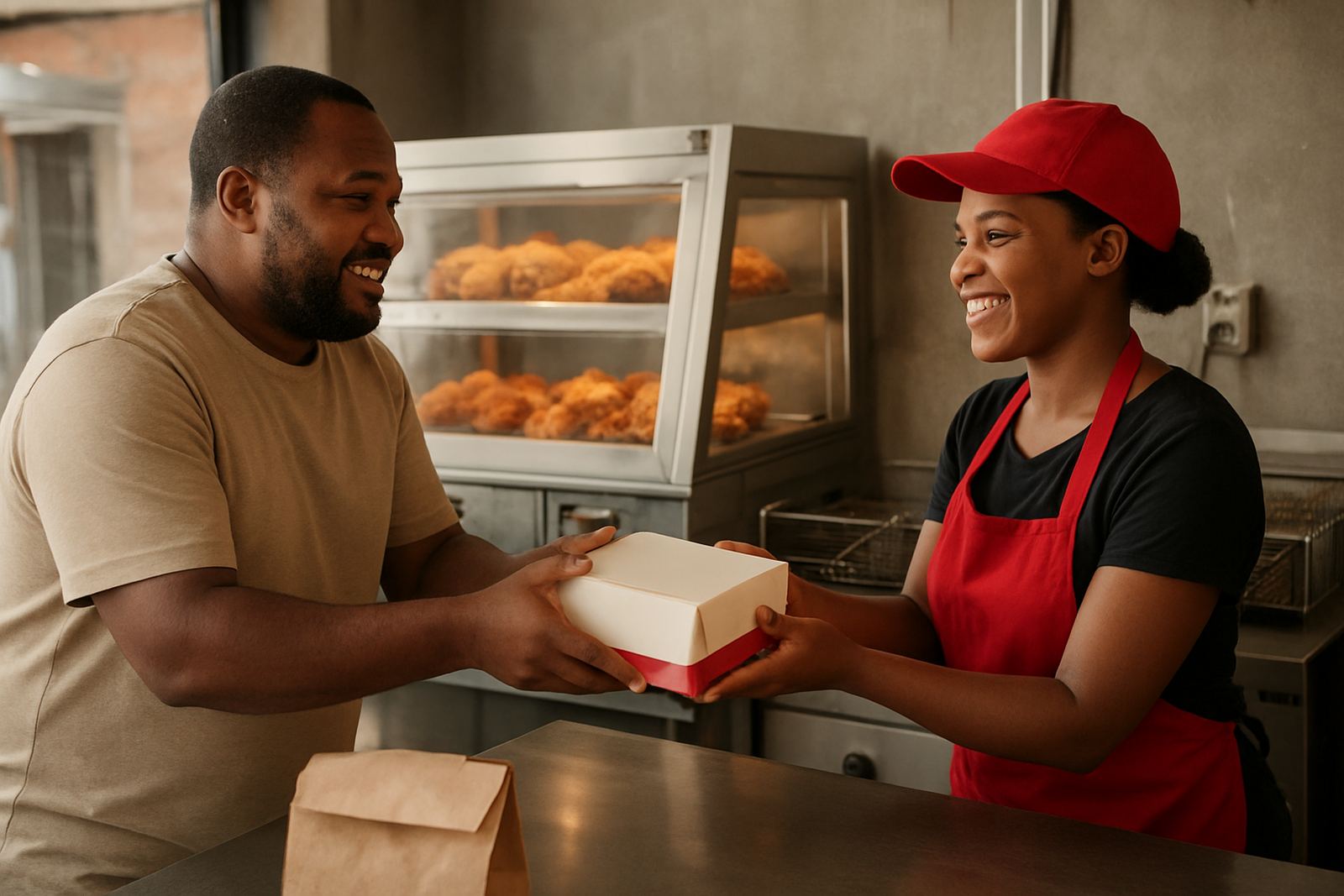
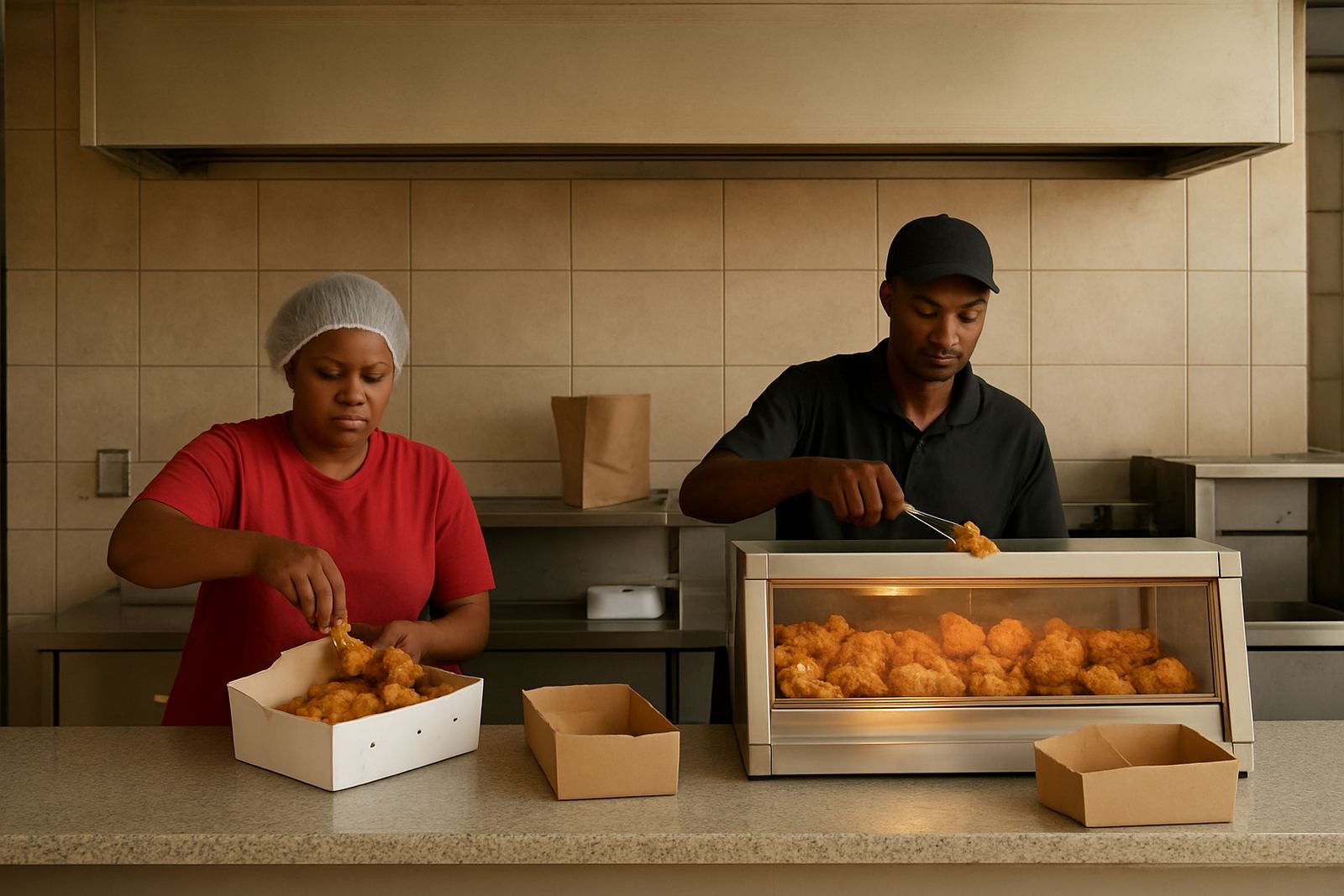
With straightforward meal lines, the counter team can keep the queue moving. The kitchen can prepare in batches, the front counter can explain options quickly, and the collection time slots can stay on track. That matters when people have transport to catch or children waiting in the car.
The same logic works for nearby areas too. A family in Dobsonville may want a full pack for supper. A church group in Meadowlands may need trays for a Sunday function. A business customer in Protea Glen may only need boxed lunches for a short meeting. Simple meal lines make all of those orders easier to handle.
Menu simplicity helps with catering and group orders
Catering becomes much easier when the base menu is clear. A family pack, snack pack or tray order can be built from the same core items instead of starting from scratch every time. That keeps quoting simpler, reduces mistakes and helps the kitchen plan what to fry, pack and send out.
For group orders, the best menu is the one that does not force too many decisions. People want to know how many pieces, what sides come with it and how the food will be packed. When those details are fixed, the order can be confirmed faster and delivered or collected with less stress.
- Family Pack Catering for home meals and larger tables
- Event Snack Packs for school days, meetings and community functions
- Party Tray Orders for shared servings
- Funeral Order Support where timing and consistency matter
- Church Group Orders with clear collection planning
Packaging and timing matter as much as flavour
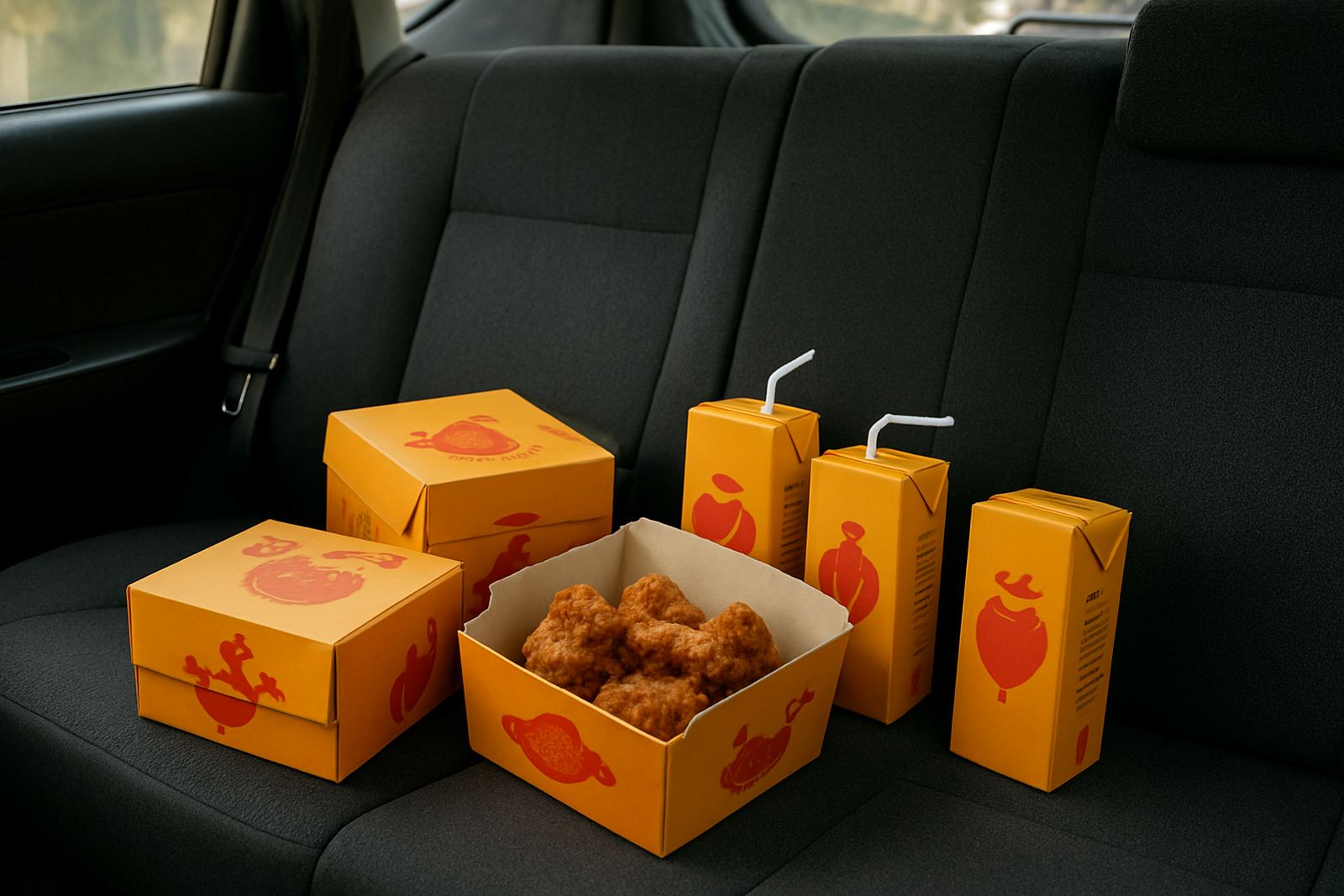
A simple menu only works if the food travels properly. Fried chicken should arrive hot, not steamed soft in the container. Sides should be packed so they do not tip or mix before the customer gets home. That is why travel-friendly packaging is part of the service, not an afterthought.
In a place like Soweto, collections are often tied to taxi routes, short stops after work or family errands. Customers need food that can handle the trip. A lean menu supports this because the packing routine is repeatable. The staff know which items go together, how to seal them and how to hand them over without delay.
This also helps with weekend prebooking. When people order ahead, they expect the food to be ready at the agreed time. A straightforward menu makes that promise easier to keep, because there are fewer moving parts in the kitchen and fewer chances for confusion at peak hours.
The practical value of keeping it plain and right
There is a common idea that a bigger menu looks more impressive. In a busy township kitchen, that is not always true. A menu that tries to do too much can slow service, stretch the team and leave customers waiting longer than they should. A menu that focuses on a few good things often does the opposite: it serves people faster, keeps the standard steady and makes the whole operation easier to trust.
That is the value of simple menu lines at Kasi Fried Chicken. The food is meant for real life, not for long decisions. It suits lunch queues, evening pickups and weekend family takeaway, with enough flexibility for everyday meals and planned orders alike. When the kitchen keeps the offer clear, the customer gets what they came for without fuss.