
Why grouped packing matters when the order gets bigger
Small orders can be handed over in one or two bags and still stay easy to manage. Bigger family and event collections need more care, because once you start mixing different meals, it becomes simple for one box to end up with the wrong sides or for a spicy pack to be handed to the wrong person. Grouped packing cuts down that confusion from the start.
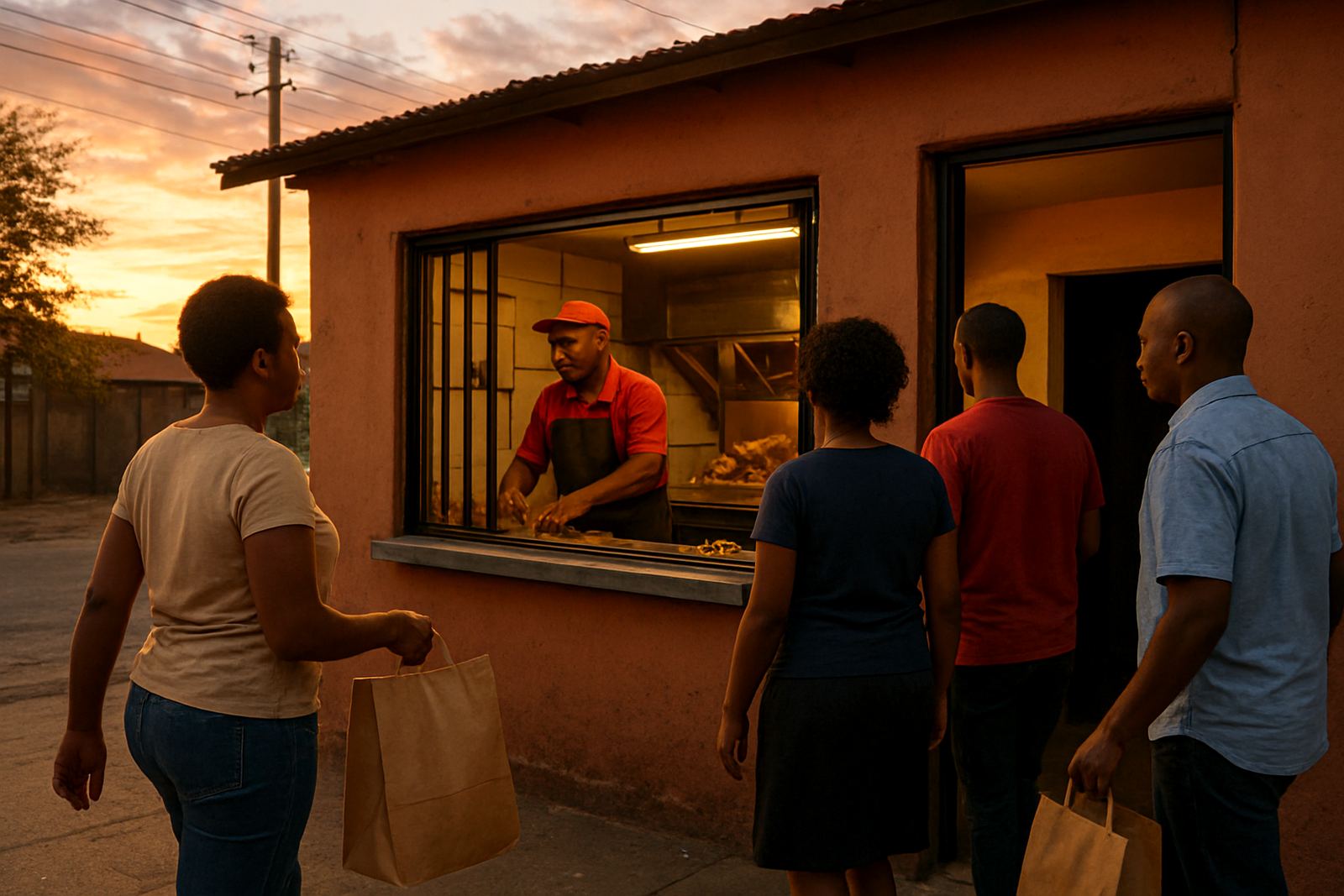
For lunch queues, weekend family takeaways and church group orders, the aim is to keep each meal set together from kitchen to collection point. That means fewer delays at the counter, less checking in the car park and less back-and-forth when everyone is hungry and ready to go. In Orlando West and across Soweto, that kind of order makes a real difference on busy days.
How to split one big order into clear meal groups
Instead of packing everything into one pile of boxes, large orders work better when they are split into named groups. A family order might be boxed as adult meals, kids meals and shared sides. A funeral order may need one section for the main trays, one for bread or rolls, and another for drinks or extras. The point is to make each group easy to find and easy to hand out.
That approach saves time at collection and helps the person taking the order avoid mistakes. It also helps when different people are arriving at different times. If the first car comes from Diepkloof and the second comes from Meadowlands, each driver can take the right pack without opening every container in the lot.
- Keep spicy and mild meals separate.
- Box shared sides on their own, not mixed into every meal pack.
- Mark special requests clearly, such as extra sauce or no heat.
- Place the heaviest boxes at the bottom for safer carrying.
Labels save time for churches, funerals and school functions
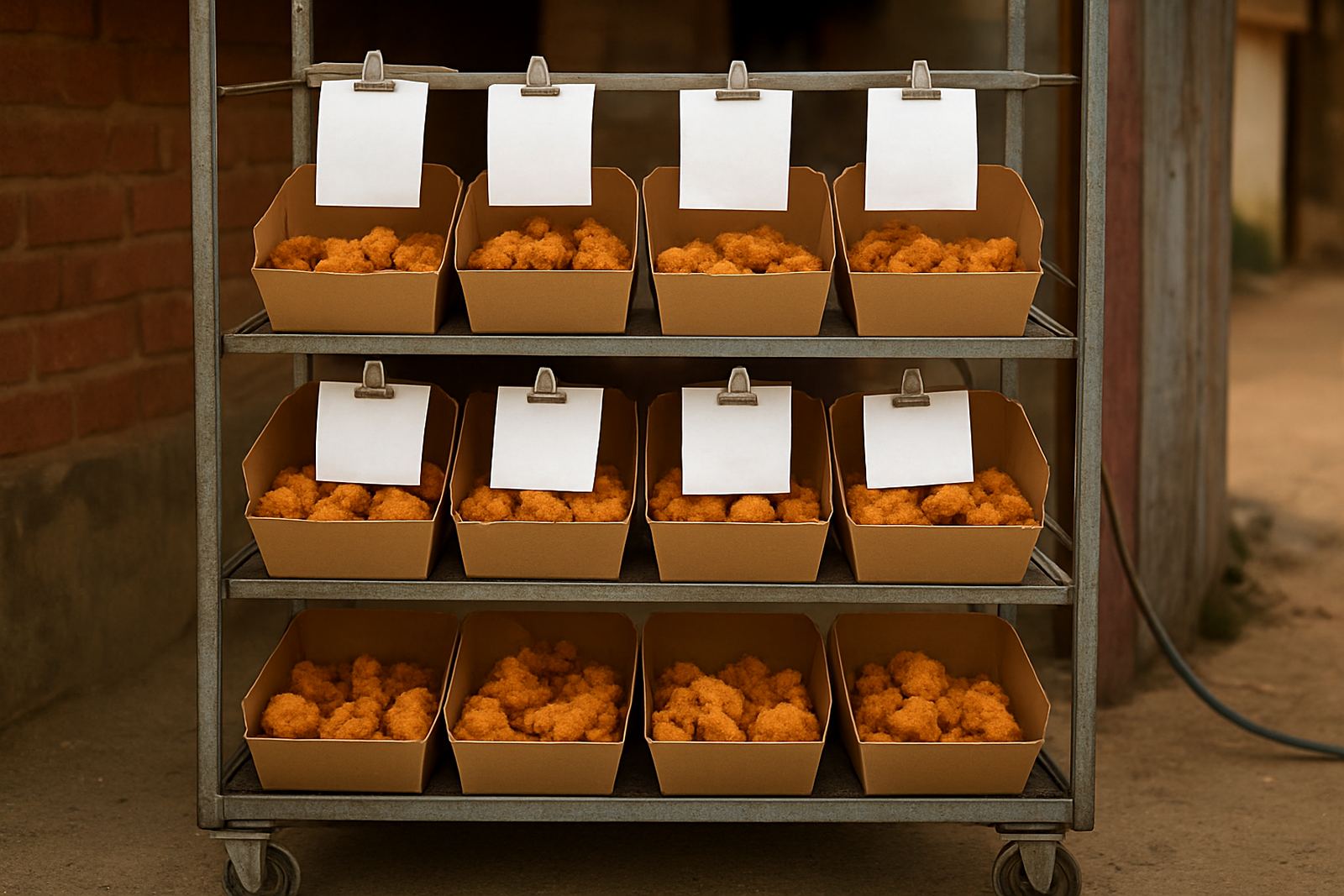
Labels are not fancy, but they are useful. On a large order, a short written marker on each box helps the handover go faster and keeps the group calm. A church committee collecting for an afternoon gathering does not need to open every bag to check what is inside. A school event organiser should be able to count packs quickly and move on.
Good labels also help when there are several branches or collection points involved. If an order is heading to Naledi for a family gathering or being picked up for a weekend event in Protea Glen, the person collecting should know which pack belongs to which group before leaving the counter. Simple wording is enough, as long as it is consistent.
- Use the same name on every related box.
- Number packs if the order is split across more than one bag.
- Separate collection slots if the handover is happening in stages.
Packaging that travels well across Soweto roads
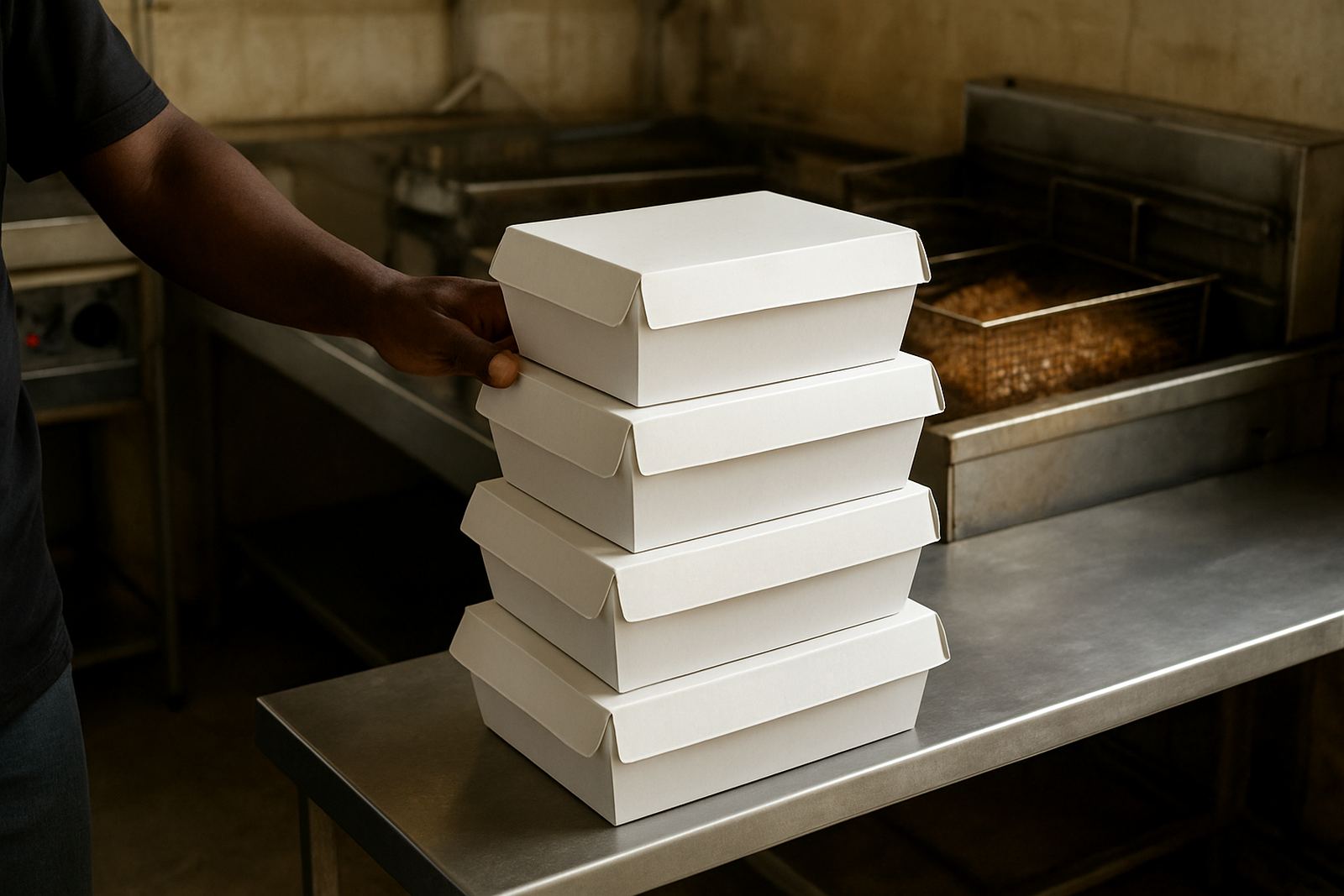
Large orders need packaging that can handle short trips, stop-start traffic and the usual bumps of town travel. Boxes should close properly, stay upright and hold heat without making the coating soggy. That matters when the food is going from Orlando West to Dobsonville, or when an order has to move between a house, a hall and a church yard in the same afternoon.
When the packing is done well, the person carrying it can set the bags down without worrying that the bottom will give in or that gravy will leak onto the rest of the order. Clean packing also makes storage easier if the collection is early and service starts later. In summer humidity, good sealing helps more than people think, especially when the food is waiting in a vehicle for a few minutes before serving.
What to tell the kitchen before a big collection
The best large orders start with clear information. If the kitchen knows the number of people, the mix of spicy and classic pieces, and whether the order is for lunch, evening or a weekend gathering, it can box things in the right sequence. That reduces last minute confusion and keeps the handover steady.
It helps to mention any special handling too, such as a funeral order that needs quiet collection, or a school event that needs easy carry packs. When those details are shared early, the team can set aside the right packaging and prepare the right number of bags. It also helps the quality team keep an eye on consistency so each box looks the same and travels well.
- Share the headcount, not just a rough estimate.
- Say whether the order is for immediate eating or later serving.
- Note if the collection will be split between more than one vehicle.
- Ask for packaging that suits the route and the serving point.
A Soweto example: family takeaway without the scramble
Picture a Saturday order in Orlando West for a family gathering that includes elders, teens and small children. Without grouped packing, the cousins end up opening every box to find the mild meals, the aunties are asking where the extra sides went, and the person collecting is carrying too many loose bags. With grouped packing, the order leaves as clear meal sets, shared sides and separate boxes for the spicy pieces. Everyone gets what they need with less fuss.
That same method works for boxes heading to Meadowlands, collections for nearby homes in Naledi, or event snack packs going out to Protea Glen. It is practical, quick and easier on the people doing the handover. The food stays organised, the queue moves faster, and the order arrives ready for the table instead of needing sorting on arrival.
Simple checks before you leave the counter
Before a large collection leaves, one last check helps prevent avoidable problems. Count the boxes, confirm the meal groups and make sure the labels match what was ordered. If the order is being shared between two households or taken to a hall, this is the best time to check it, not once you are already on the road.
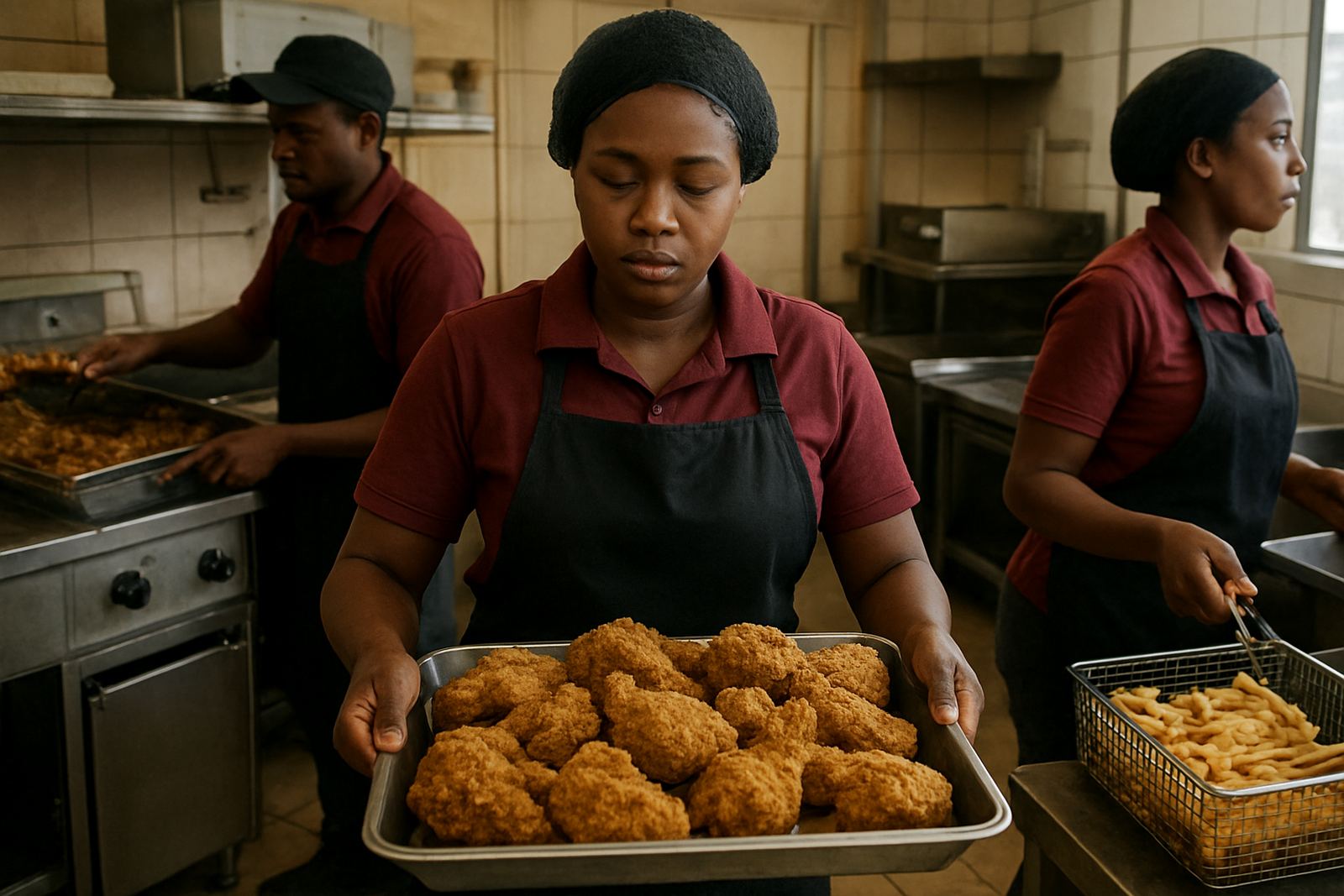
For bigger family and event orders, that final check is often the difference between a smooth meal and a stressful one. Grouped packing only works if the handover stays clear all the way out of the door. At Kasi Fried Chicken in Orlando West, that is the goal every time, whether the order is for a quick lunch, a weekend collection or a large family gathering.