
Start with the portions that do the most work
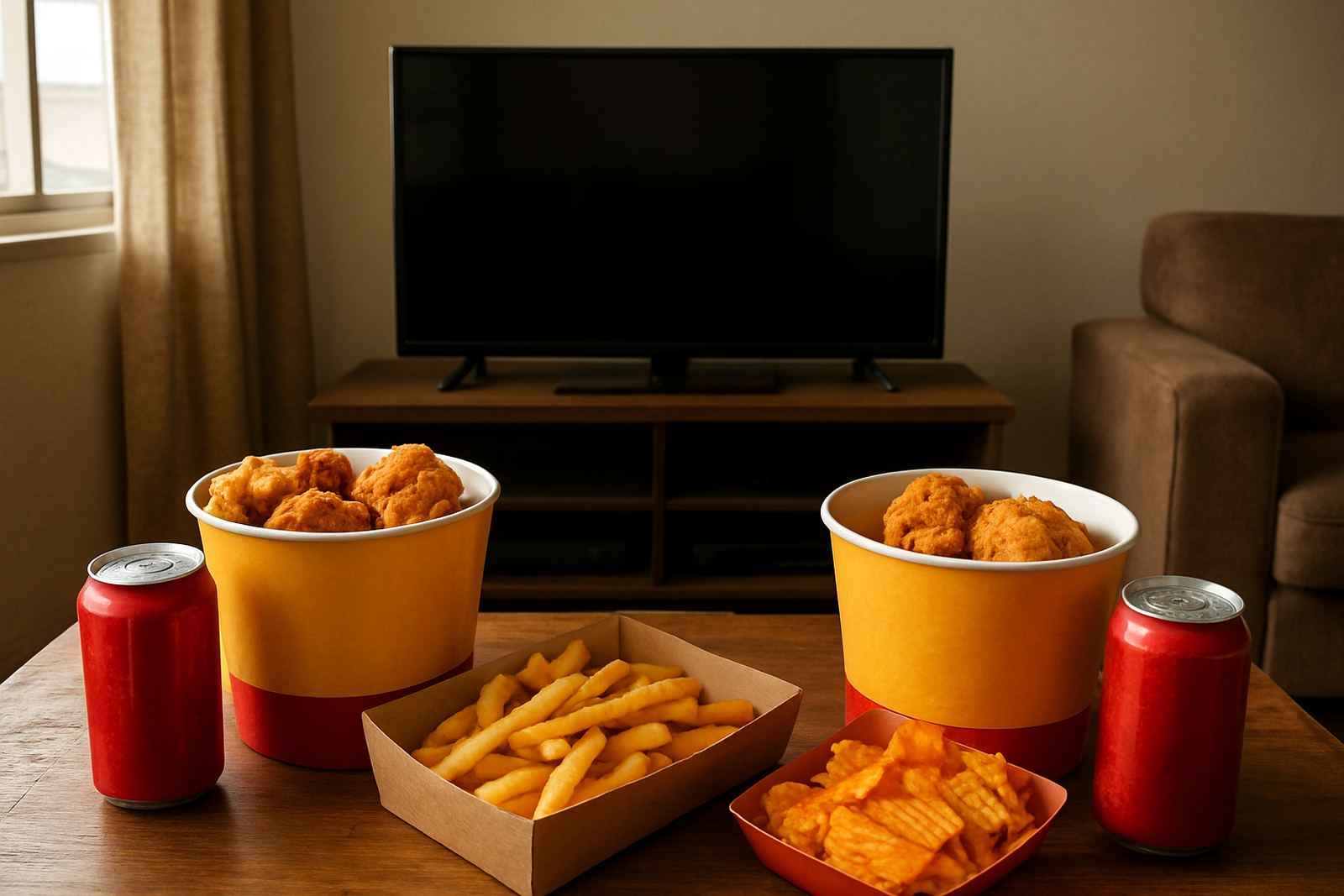
On ordinary weekdays, the best value is usually the meal that fills the lunch box or dinner plate without extra waste. If you are feeding one person, choose a neat portion with one side rather than over-ordering and leaving pieces behind. For two or three people, a mixed box often stretches better than separate orders because you can share the sides and keep the cost steady.
In Orlando West and nearby Soweto areas, many customers order with transport and time in mind. If you are collecting after work, ask for the order to be packed for travel so the coating stays in place and the heat holds better on the way home. That matters on busy afternoons when taxis, walking and short stopovers can mean the food sits a bit longer than planned.
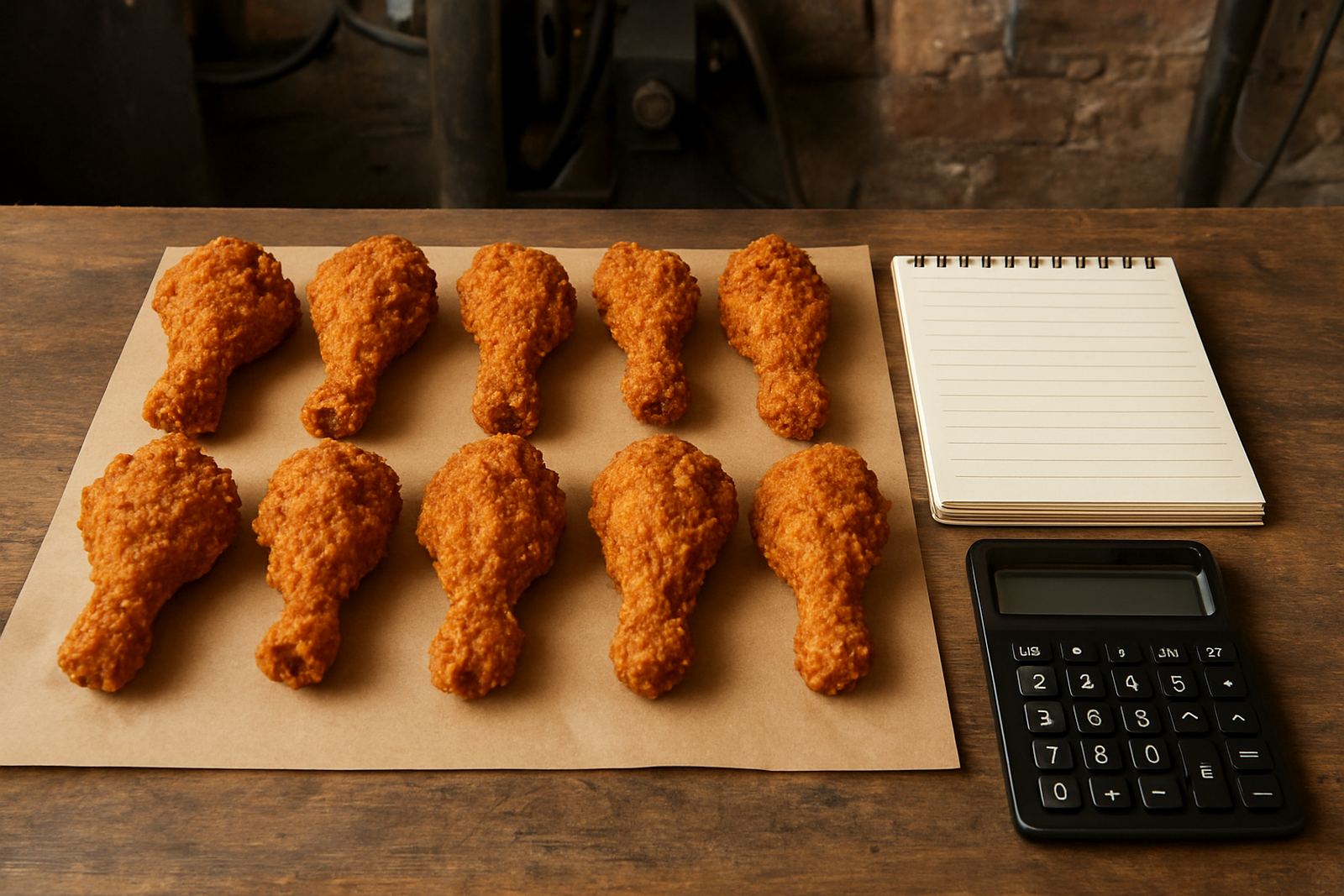
- One person: 2 to 3 pieces with a side
- Two people: shared box with one extra side
- Family of four: mixed pieces with simple bulk sides
- School day: smaller pack that fits a lunch break
Build a weekday order around one main, one side
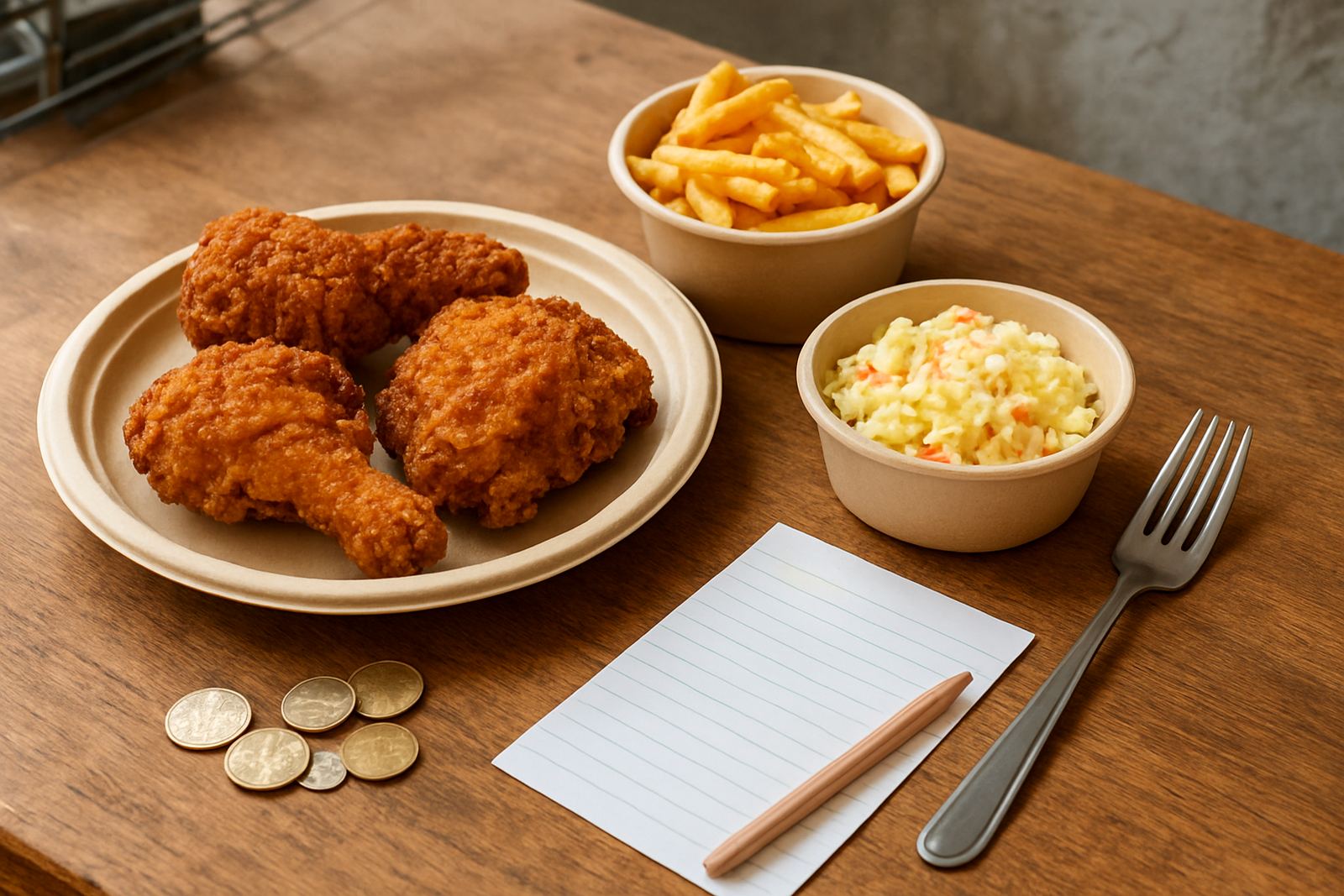
A budget-conscious order works best when the plate has one main item and one filling side. That keeps the spend controlled and makes it easier to plan across the week. Rice, chips, pap, coleslaw and other simple sides can be rotated so the meals feel different without pushing the total up each time.
If you are ordering for the office, the site gate or a school event collection, think in units. A person who wants a light lunch can take a smaller chicken portion, while a worker with a long day may need a fuller box. The aim is not to buy the most food possible, but to buy enough so no one needs a second stop later.
- Choose one chicken portion first
- Add one side that holds well in a container
- Skip extras unless the whole group will share them
- Use boxed meals for easier counting and handing out
Use call-ahead and collection slots to save time
Weekday value is not only about Rand amounts, it is also about time. A lunch queue that runs long can cost more in transport, missed breaks and extra waiting. Call ahead orders and collection time slots help keep the visit short, especially when the kitchen is busy from late morning through the evening rush.
If you are collecting for a team in Meadowlands, Dobsonville or Naledi, try to group the order into one pickup rather than sending several people separately. One collection keeps the meal warm and cuts down on confusion at the counter. It also helps when load-shedding or traffic slows the day and everyone needs a clear collection plan.
- Place the order before the lunch rush if you can
- Choose one collector for the whole group
- Ask for a clear time window for pickup
- Confirm the number of meals before leaving home or work
School day and workday combos that travel well
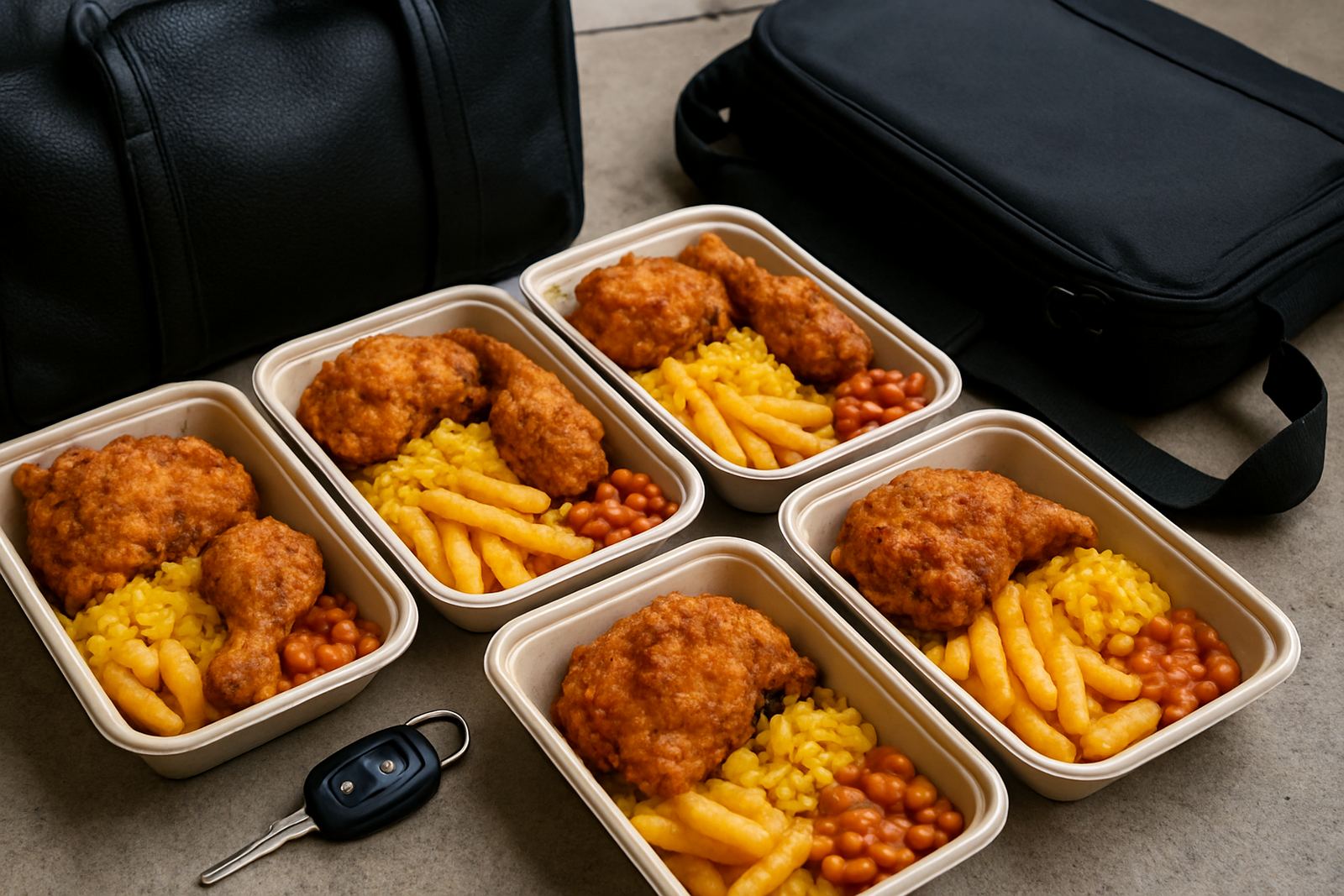
For school mornings and workday lunches, the best meals are the ones that still taste good after a short trip. Crisp chicken, a firm side and secure packaging travel better than loose items that slide around. This is useful for commuters, parents sending lunch with a learner and workers carrying food between meetings or shifts.
A sensible weekday combo should be easy to hold, easy to share and easy to finish. If you know the meal will sit for a short while before being eaten, keep sauces minimal and choose sides that do not become soggy. The packaging should close properly, because a spill in a taxi or on a bus can waste the whole order.
- Pick boxes with a tight lid or wrap
- Keep wet sauces separate where possible
- Choose sides that stay firm after travel
- Label multi-meal orders if they are for different people
Plan weekday ordering around the family calendar
Many families in Soweto do not eat the same way every night. One day may be a quick supper after soccer practice, the next a meal for visitors or a busy homework evening. A small weekday plan helps you spend less by matching the order to the actual day instead of guessing and overbuying.
Keep a simple list for the week. Note which days need a full family box, which days only need lunch for one or two, and which days are better for leftovers or lighter meals. That way the budget stretches further and there is less last minute pressure at the counter.
- Monday to Thursday: keep meals simpler and smaller
- Friday: allow a little more for the evening rush
- Weekend: use prebooking for larger family takeaways
- Keep one extra box in mind for unexpected visitors
A quick value checklist before you order
Before placing a weekday order, run through a short checklist so the meal fits the budget and the day. This is useful for first-time customers and for regulars who want the same standard every time. It also helps when you are ordering for a church group, school event or funeral support meal where the quantities must be right the first time.
If you are unsure, ask for the most practical option rather than the biggest one. The best weekday buy is the one that satisfies everyone and stays within the amount set aside for the day. Clean packing, steady portions and a clear pickup plan often matter more than adding one extra item.
- How many people are eating?
- Will the food be eaten straight away or after travel?
- Do we need one side or two?
- Is there enough budget for one larger order instead of several small ones?
- Do we need collection time slots or weekend prebooking?