
Start With Who Is Eating and When
The easiest way to estimate pieces is to begin with the group, the time of day and what else is on the table. A lunch order with chips and coleslaw usually needs fewer pieces per person than a full evening meal with only pap and gravy. For school events and church groups, people also tend to take smaller portions when there are other snacks around.
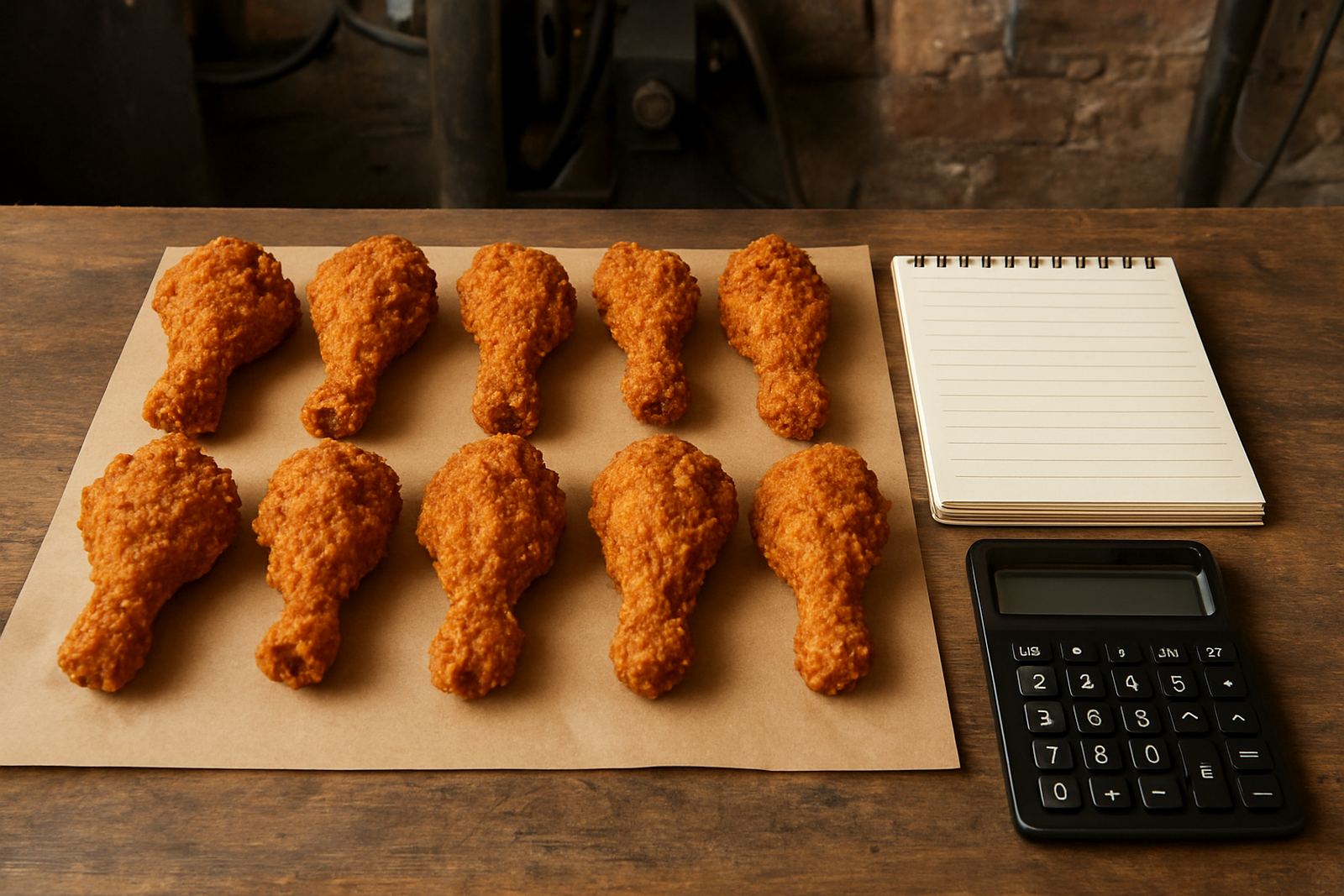
As a simple starting point, allow 2 pieces per adult for a light meal, 3 pieces for a fuller meal and 1 to 2 pieces for younger children depending on their age. If the group has many teenagers or hungry workers, add extra pieces because they do not usually stop at the first serving. For funeral catering or long meetings, it is safer to plan one extra piece per 4 to 5 people so nobody is left short.
When you are unsure, count the side dishes first. More sides can mean fewer pieces. Fewer sides means you should increase the chicken count a little. That small check helps keep the order balanced instead of overbuying or running out too early.
Piece Counts That Work for Common Group Sizes
These counts are practical ranges, not fixed rules. They help with everyday orders from Orlando West, Diepkloof, Meadowlands, Protea Glen, Dobsonville and Naledi where people often collect food on tight time slots and need the packing to stay neat.
- 2 to 3 people: 4 to 6 pieces
- 4 to 5 people: 8 to 12 pieces
- 6 to 8 people: 12 to 18 pieces
- 10 to 12 people: 20 to 30 pieces
- 15 to 20 people: 30 to 50 pieces
If the order is for a family table, use the lower end when there are starches, salads and extra snacks. If the group is coming straight from work, school or a church programme, use the higher end. For mixed groups, children usually eat less but adults, especially men after a long day, can finish more than planned.
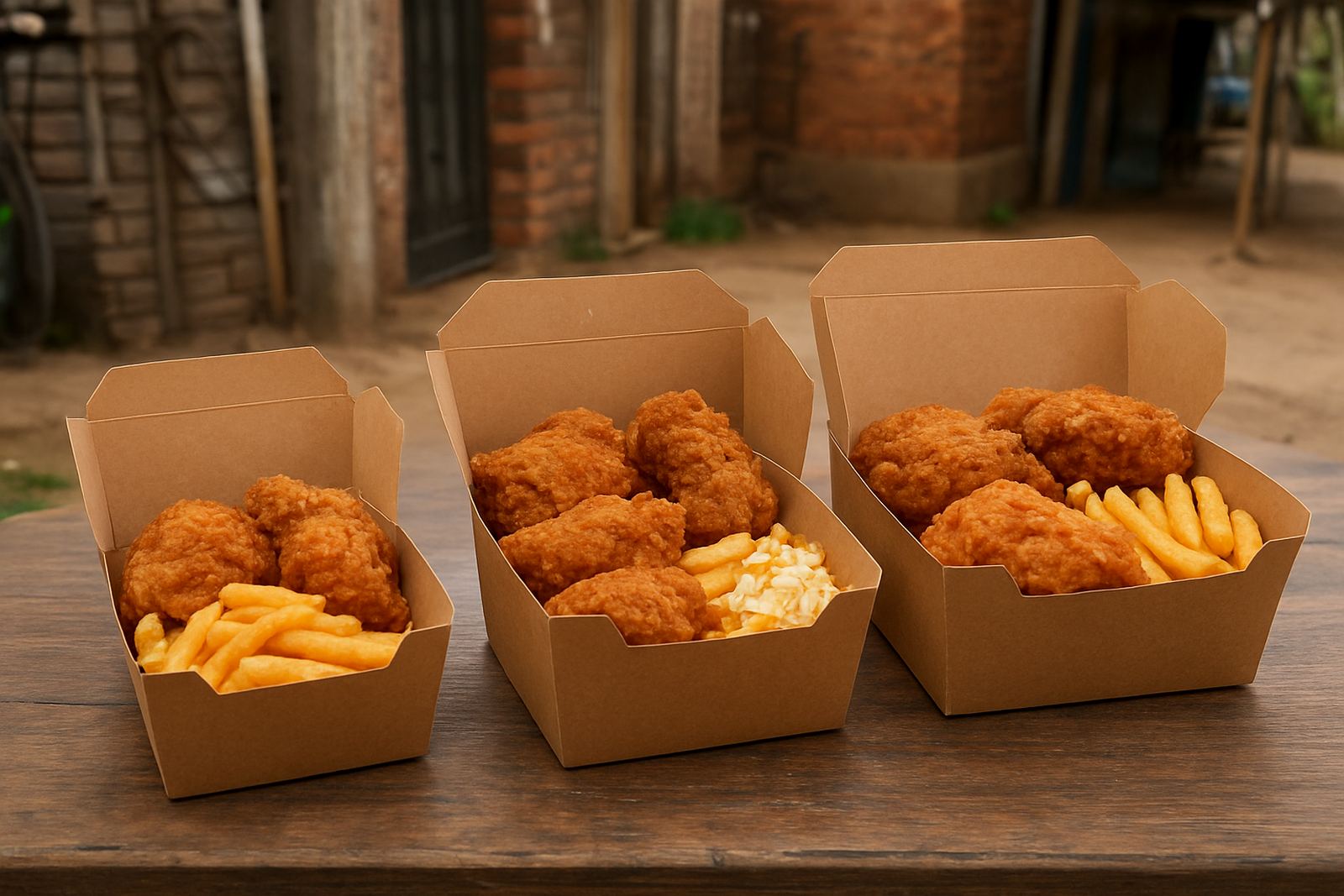
Also think about how the chicken is served. Pieces with bones are filling, but they still eat differently to boxed lunch portions with a full set of sides. A single plate with two pieces and chips is not the same as a party tray where people pick and mingle. That is why the count should match the setting.
Match the Count to the Meal Type
Different meal types need different maths. A boxed lunch for one person is easy to count, but a shared tray for 12 people needs a little more care. If you are ordering for a weekend braai-style family gathering or a birthday table, build the count around how people will move through the food.
Use this checklist before you choose the piece count:
- Will there be pap, rice, chips or bread?
- Are there two or more side dishes?
- Is the order for lunch, supper or a long event?
- Will children and adults share the same trays?
- Do you need leftovers for later or only enough for the meal?
For lighter daytime orders, one piece plus sides can be enough for children and small appetites. For evening orders, two pieces per adult is often the safer base. If you want leftovers for the next day, add 20 percent more. That small buffer helps when people arrive late or someone brings an extra visitor.
Planning for Catering, Schools and Church Groups
Large group orders need a clear count before the kitchen starts. For school events, church group orders and funeral support, the main goal is to avoid shortages while keeping the serving fair. People notice quickly when trays are uneven, so the count should be simple enough for the team to serve in order.
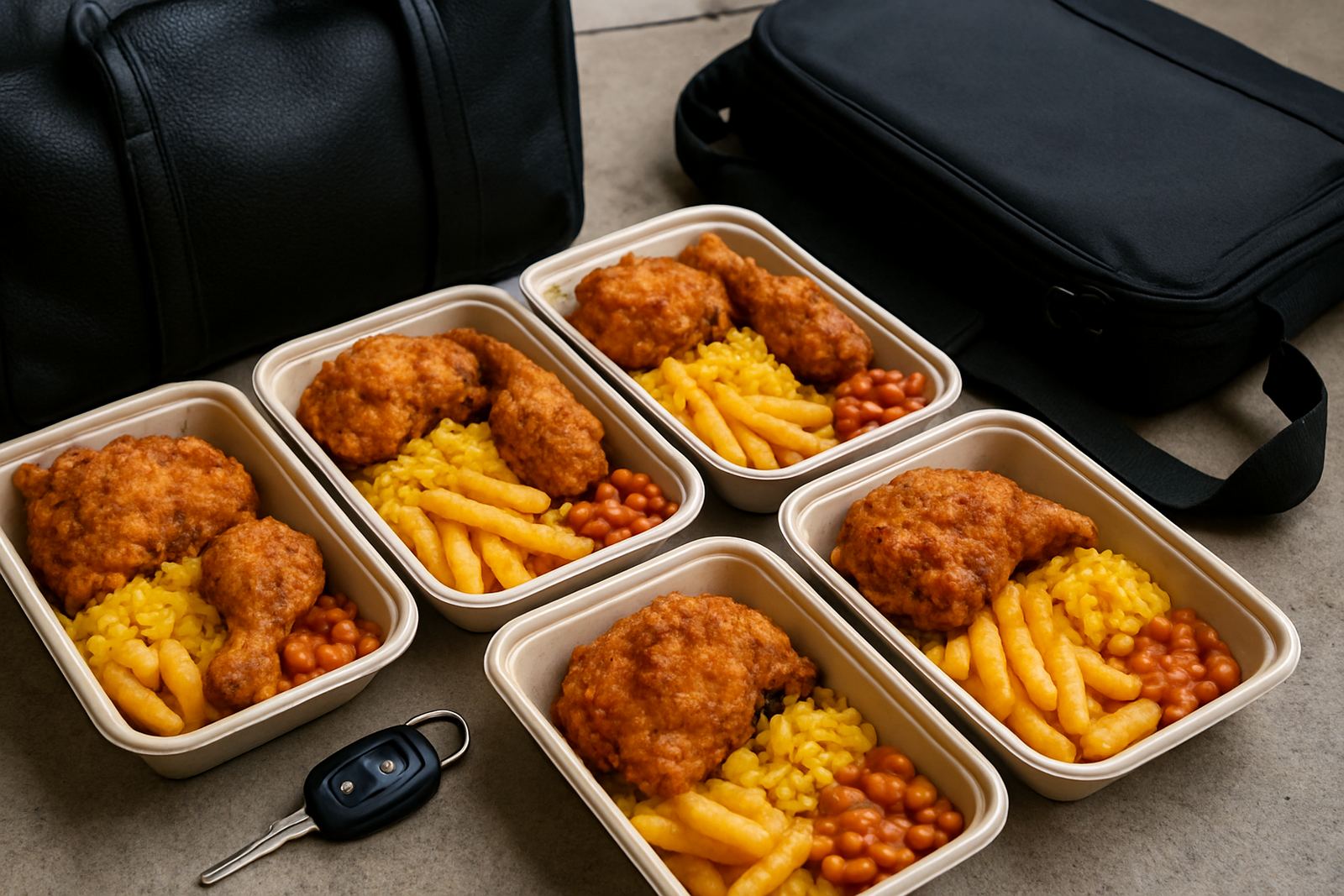
For groups above 20, split the total into trays or boxes of equal size. That makes distribution easier at collections in Soweto and nearby areas. It also helps with transport because a packed tray that moves well in a car boot or delivery bag is easier to manage than loose portions. In hot weather and during load-shedding, good packing matters because food must still arrive neat and warm enough to serve.
- Count guests, then add 10 to 15 percent for late arrivals or larger appetites
- Separate children’s portions from adult portions where possible
- Keep gravy, chips and pap in their own containers
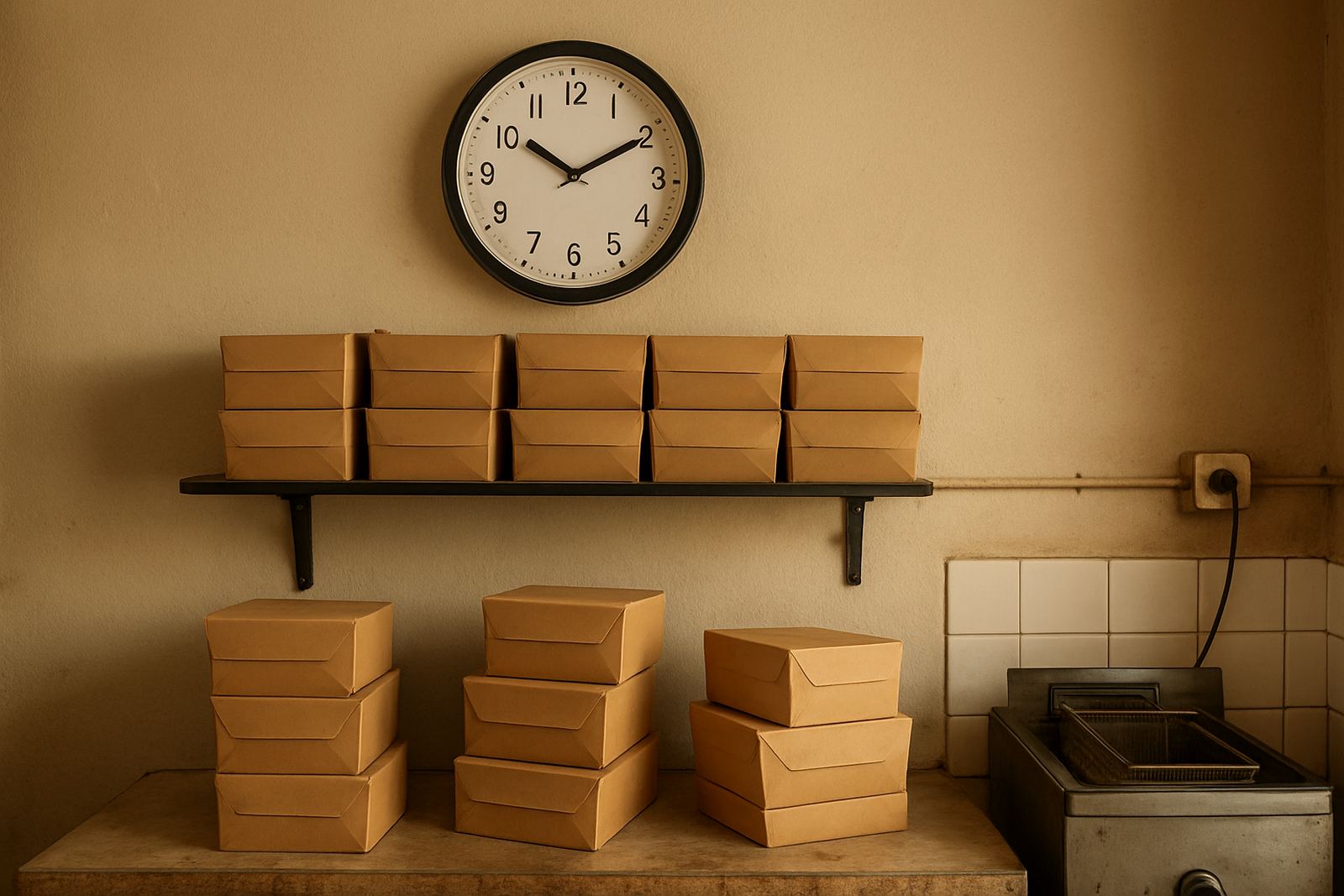
- Plan collection time slots if the food is for a set programme
- Order extra serviettes and serving spoons for group use
How to Avoid Ordering Too Little or Too Much
The best way to avoid waste is to think in portions first and pieces second. Ask yourself whether the group is eating a full meal or just having a quick bite. If you know the answer, the piece count becomes much easier. If the order is for a mixed crowd, use the middle of the range instead of the lowest number.
A common mistake is planning only for the first round. In many South African homes and community events, food is shared, then someone asks for another piece or another plate later. If the occasion is long, rather add a little extra chicken than have to stretch the last tray with side dishes alone. That said, over-ordering can leave you with too much food for one household, so keep the count tied to the real number of eaters.
If you are sending food across town, factor in travel too. A well-packed order for Dobsonville or Meadowlands should hold together by the time it reaches the table. Packaging for travel matters because the count only helps if the food arrives in the same shape it left the kitchen. A snug tray can make the difference between a neat serve and a scattered mess.
Quick Checklist Before You Place the Order
Use this last check before sending in a family pack, lunch order or weekend booking. It keeps the count practical and helps the counter team pack the right amount the first time.
- How many people are eating right now?
- Are there children, teens or mostly adults?
- Will there be sides, snacks or extra starches?
- Is the meal for one sitting or a longer event?
- Do you want a small buffer for second helpings?
If you can answer all five, you are usually close to the right number. For a simple family takeaway, 2 pieces per adult and 1 per child is a solid start. For a larger mixed group, use 3 pieces per hungry adult and adjust down if the sides are generous. That approach keeps the order practical and avoids wasting money on food nobody asked for.
When in doubt, ask for a count that matches the occasion rather than guessing. A clear enquiry with the number of guests, the meal type and the collection time makes the whole process easier for both sides, and it helps the kitchen prepare a better finish.