
When the queue is moving and the meal must travel
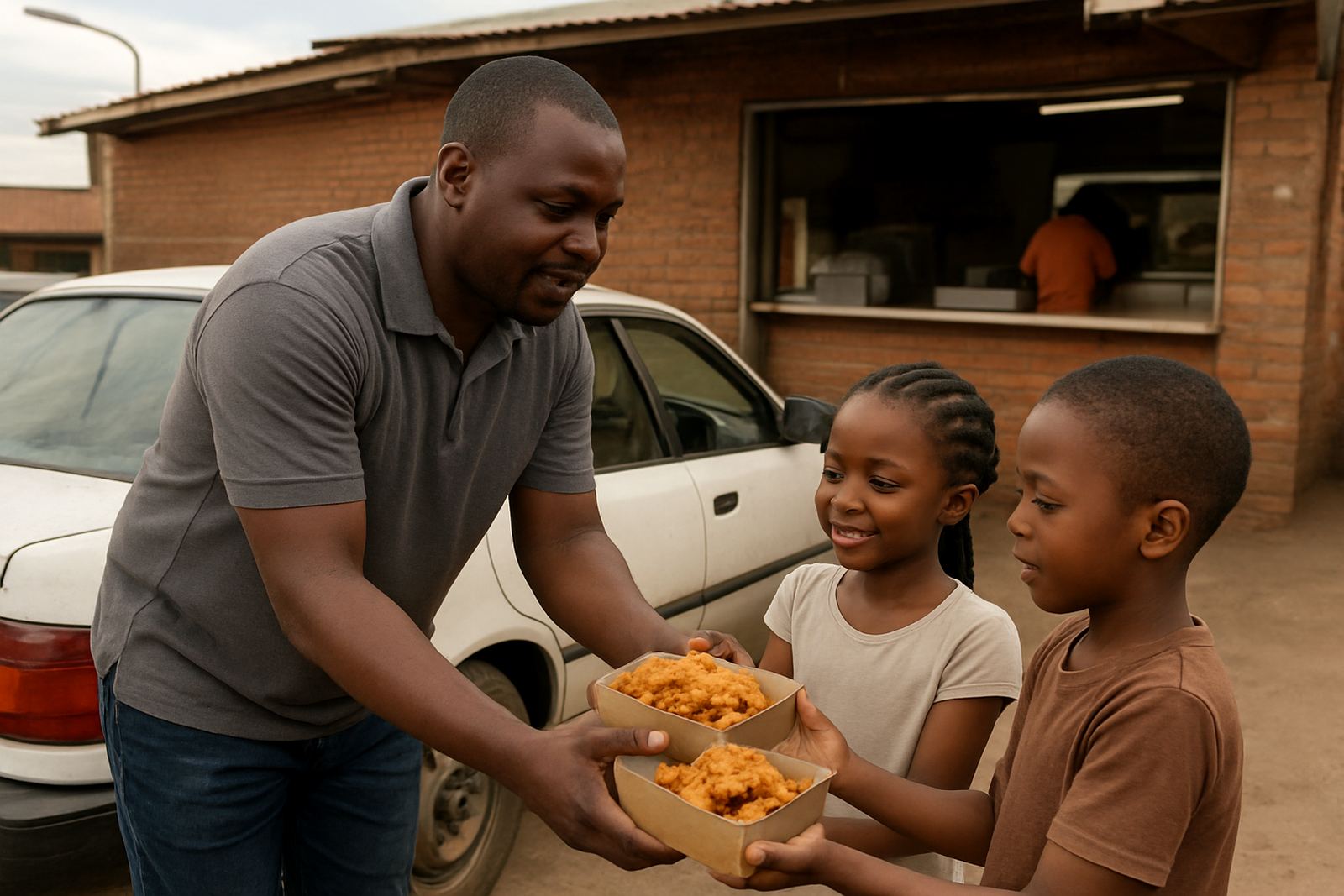
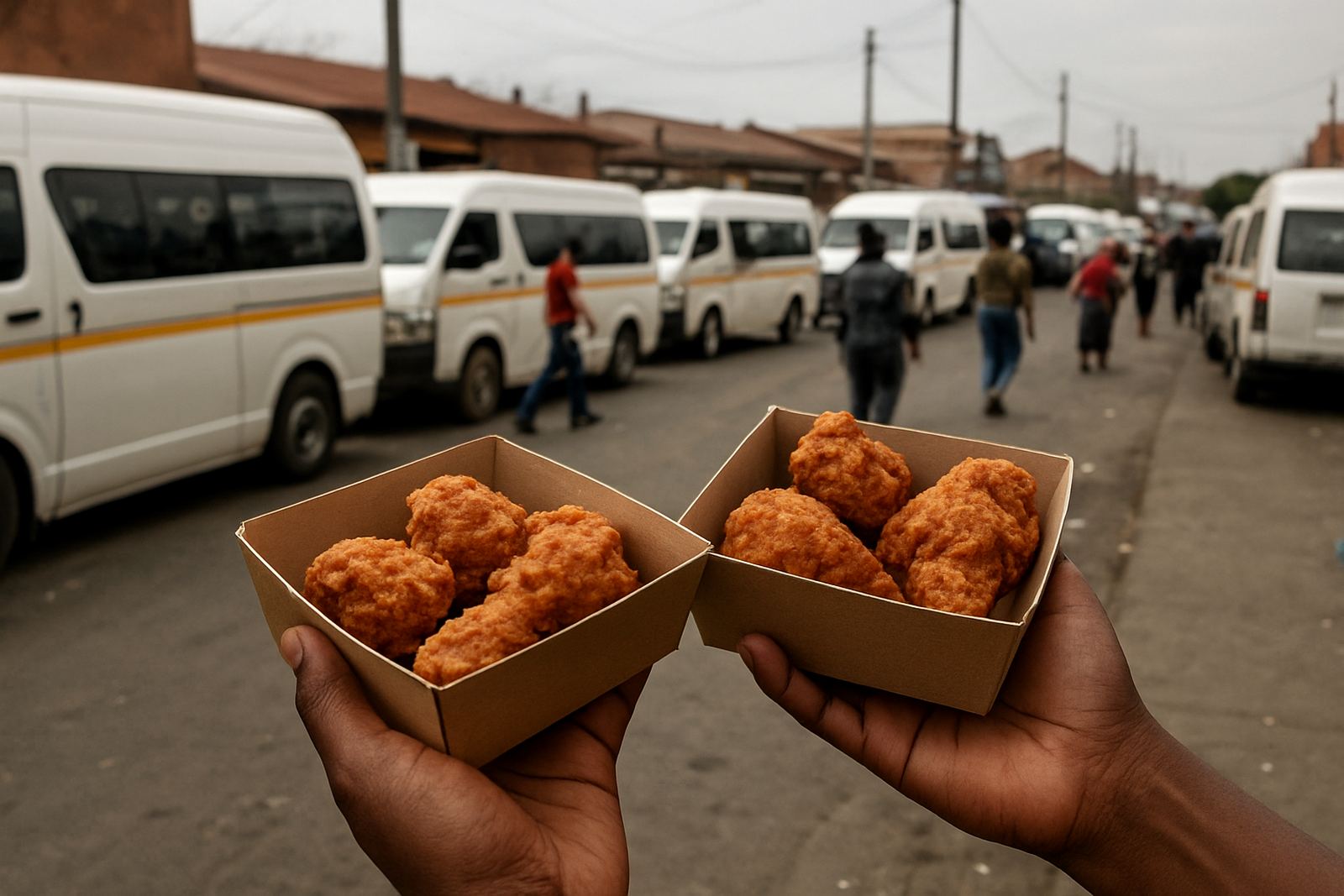
Taxi rank bites work best when people have one hand free and not much time to spare. That means food must be easy to unwrap, steady in the hand and still taste good after a short ride to Diepkloof, Meadowlands, Protea Glen, Dobsonville or Naledi. Our portions are built for that kind of day: quick to issue at the counter, simple to carry, and filling enough for a driver, conductor or commuter on the move.
For this use case, the client situation is usually a rush window around morning departures, lunchtime refuels and evening pickups. Buyers are often looking for something hot without long waiting, and they want to avoid oily packaging, loose chips and sauces that spill on the taxi seat. In Orlando West and nearby routes, that means the food has to hold its shape and stay presentable even when the trip is a bit bumpy.
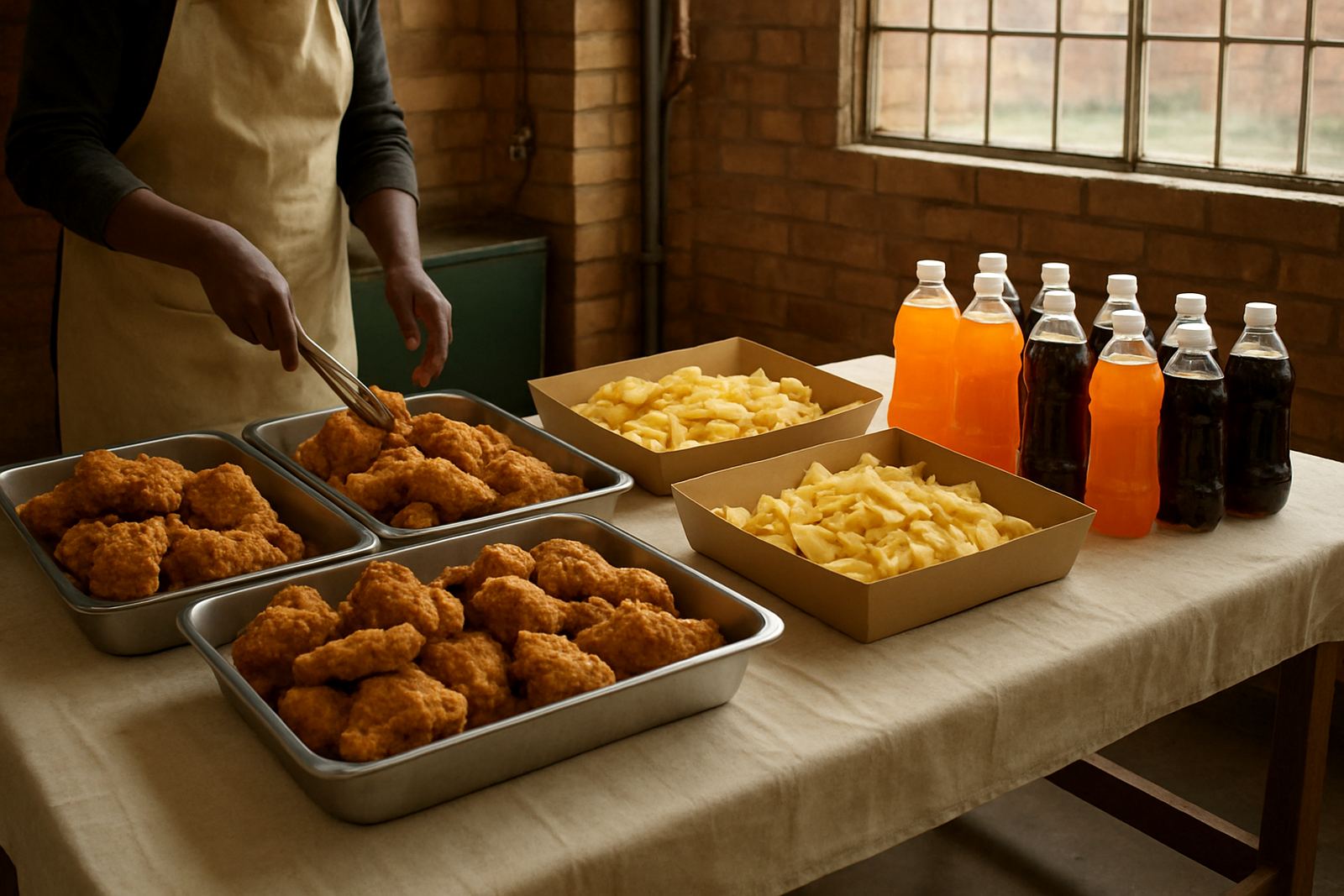
We keep the menu lines clear: classic pieces, spicy pieces, meal combos and boxed options that are easy to count out during a queue. That helps with steady portions and faster counter movement. It also makes it easier for staff to call orders correctly when the line is long and the customer wants to move on quickly.
Typical setup for a busy taxi-rank lunch point
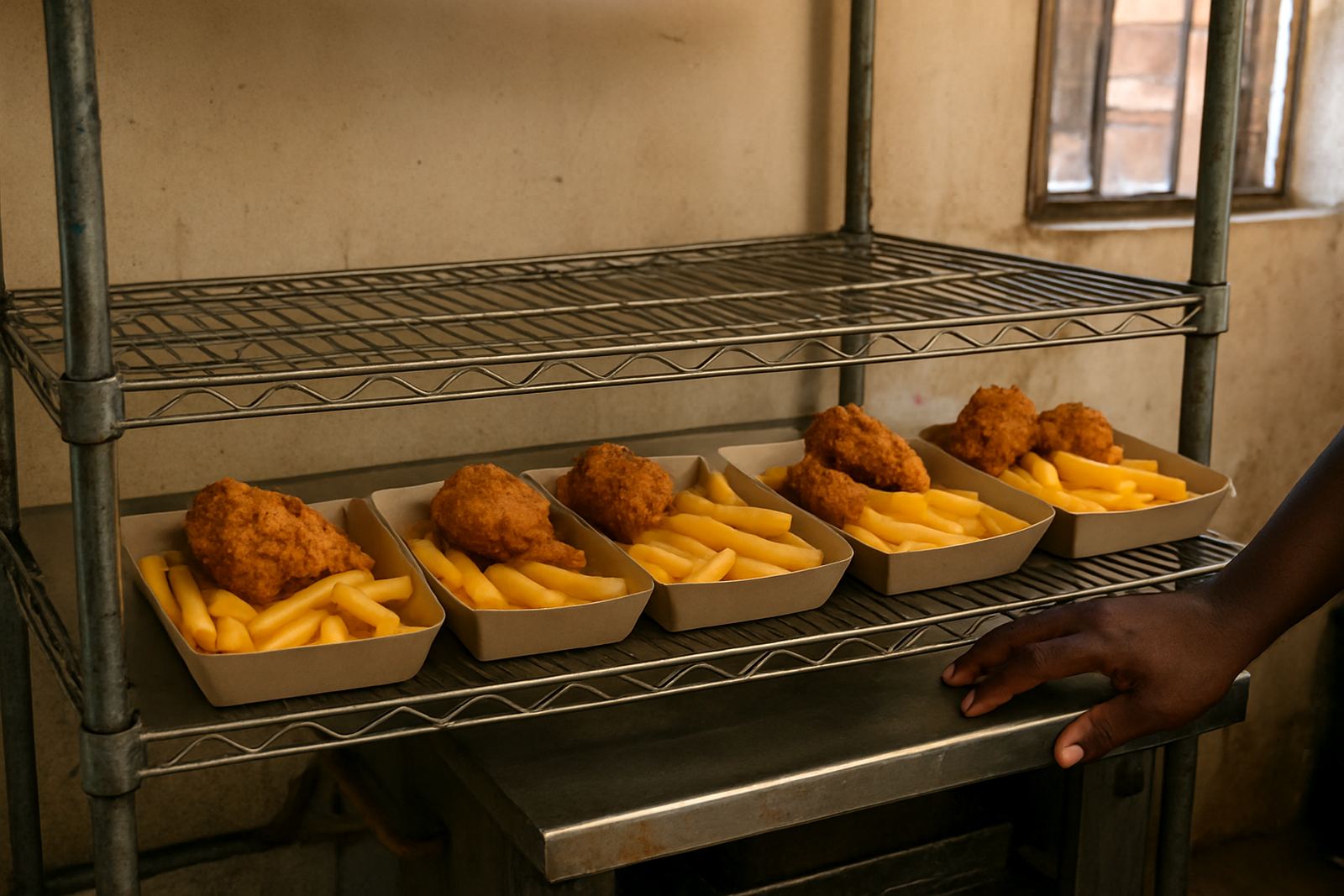
A practical taxi-rank bite operation does not need fancy fittings, but it does need a tight layout. The cooking area should sit close to the pass-through or counter so hot items move fast. A hot holding area helps keep batches at serving temperature, while a separate packing space keeps boxes, napkins and condiments neat. If power cuts are a concern, especially during load-shedding, plan for gas cooking where possible and a backup system for lights and basic holding equipment.
A simple equipment set usually includes:
- Commercial fryers or deep pots with safe oil control
- Preparation tables with washable surfaces
- Hot holding cabinets or insulated trays
- Rice cooker or side dish warmer for combos
- Box sealing or staple-free closing supplies
- Handwash basin, gloves and cleaning chemicals
- Cash till or order slips for fast queue management
In Orlando West, where foot traffic can spike quickly around transport points, the layout should allow one person to take orders, one to pack, and one to handle frying during peak periods. If the space is too tight, queues slow down and food starts sitting too long. That is usually when quality drops and customers move on to the next stop.
Packaging choices that keep chicken neat in a taxi
For commuters, packaging matters almost as much as taste. The box or wrap should resist grease, keep heat in for a reasonable period, and stop crumbs from spreading into bags or on clothing. Open paper bags are usually not enough for a taxi rank customer. Better options are clamshell boxes, vented meal containers and inner wraps that hold pieces firmly in place.
Family takeaway buyers often want extra packs for children, drivers or people visiting relatives after work. That means the packaging must be easy to stack and label. Sauce cups, napkins and a clean receipt slip help reduce confusion at busy collection points. If the meal includes chips, keep them in a separate compartment where possible so they do not steam up and go soft too quickly.
- Use boxes that close tightly but still allow a small steam release
- Pack sauces separately to protect the coating
- Add a napkin and cutlery only when needed, to keep the pack slim
- Label spicy and mild meals clearly for quick handover
- Choose grease-resistant wraps for handheld pieces sold at the counter
For delivery and collection across Soweto, packaging should also survive potholes, short waits and warm weather. A well-closed box travels better than loose wrapping, and that saves on complaints about broken pieces or leaked oil.
How to plan portions for commuters and drivers
Taxi-rank buyers usually want value that is easy to understand. They are not looking for a complicated plate. They want a portion that matches appetite and time. A two-piece meal with a side can work for a quick lunch, while a larger combo suits a driver who will not eat again for hours. For school runs, church groups or funeral order support, family trays and boxed lunches make the handover more organised.
Planning should follow the busiest times first. If lunch queues are strongest between 11h30 and 14h00, then prep batches should be ready before that window opens. Keep the most popular pieces near the service area, and rotate stock so older batches do not sit behind newer ones. That keeps the coating crisp and the kitchen calmer.
Common mistakes in this use case include overloading one box, using too much sauce, and sending out meals before the oil has drained properly. Another issue is underestimating the effect of heat. On a warm Soweto afternoon, a sealed box can sweat if packed too tightly. A little ventilation helps, but too much will dry the meal out. Balance is the point.
Budget ranges for a small commuter-focused operation
The budget depends on whether the kitchen is starting fresh, expanding an existing counter or adding a takeaway point near transport traffic. For a small commuter-focused setup in Orlando West or nearby areas, basic equipment and fit-out can start around R85 000 to R180 000 if the space already has water, drainage and power. If you need additional gas equipment, extraction, counters and food-safe surfaces, the budget can move to R220 000 or more.
Working stock matters too. Oil, packaging, chicken, sides, cleaning materials and small utensils need cash on hand every week. A lean monthly operating budget for a small outlet may sit from about R25 000 to R60 000 depending on sales volume, staffing and delivery activity. If weekend prebooking and event snack packs are active, packaging and raw stock costs will rise, but so will turnover.
It helps to budget separately for the things that keep queues moving:
- Oil replacement and temperature control
- Paper goods, boxes and labels
- Gas or electricity backup for peak hours
- Cleaning and hygiene supplies
- Staff cover for rush periods and collections
If municipal rules require grease disposal control, make space for proper waste handling from the start. That avoids blocked drains and complaints, especially in busy shared trading areas.
How to keep the counter moving without losing quality
Queue speed starts with preparation before the rush, not during it. Set up the frying cycle early, keep the most requested meals within reach, and assign one person to customer flow so the kitchen is not interrupted by every question. When a taxi rank buyer sees a line moving, they are more likely to wait. When they see confusion, they walk.
It also helps to keep the menu visible and short. Too many choices slow down decision-making. The best taxi-rank setup offers a few clear meal paths: handheld pieces, a small combo, a larger combo and a family pack for later. That keeps the counters moving and the fryer schedule easier to manage.
For owners and operators in Soweto, the practical goal is simple. Serve food that is hot, neat and easy to carry, with enough consistency that a driver, commuter or local family knows what they will get every time. That is the kind of service that fits taxi-rank trading and everyday kasi food habits.