
Typical pack setup for a home supper order
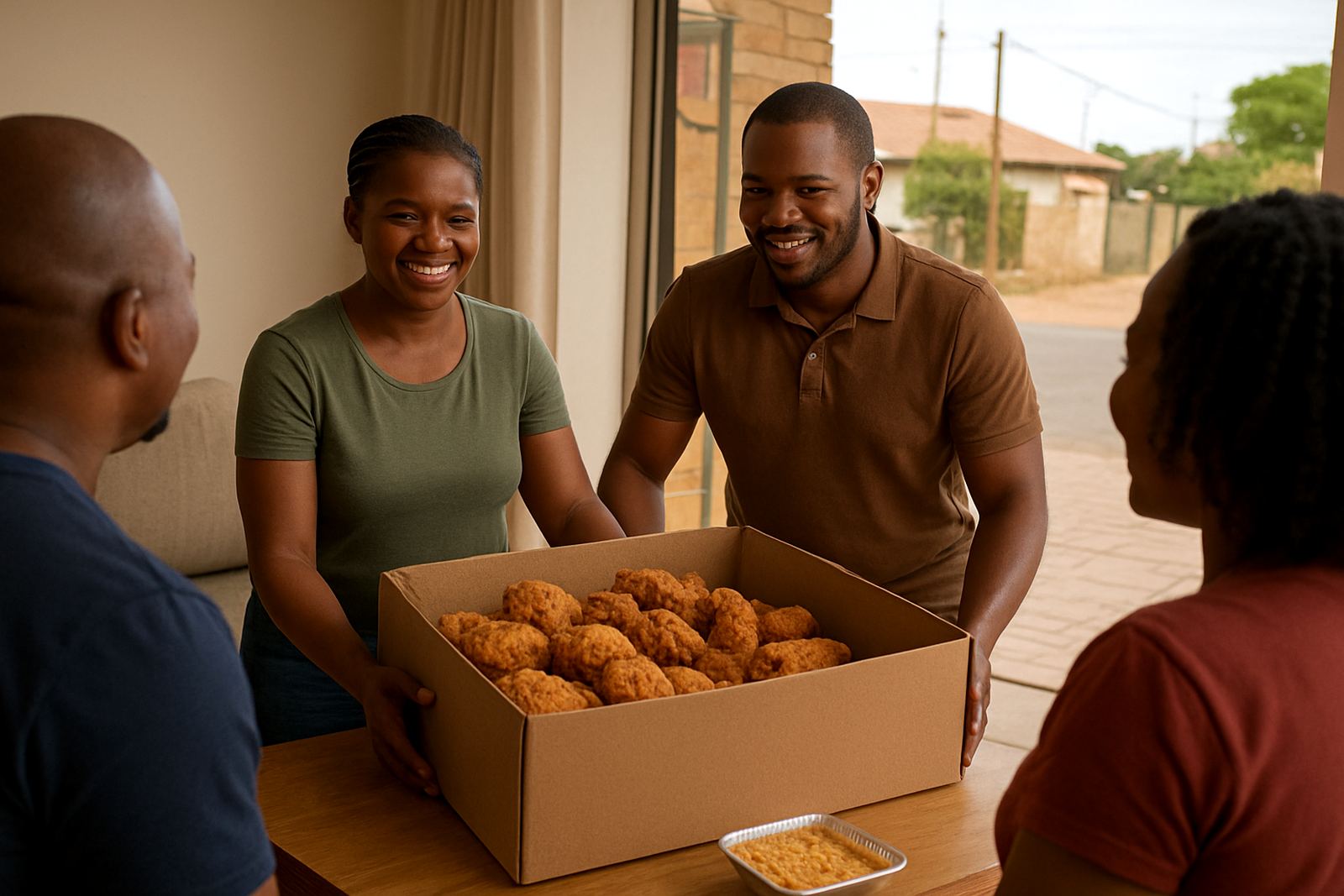
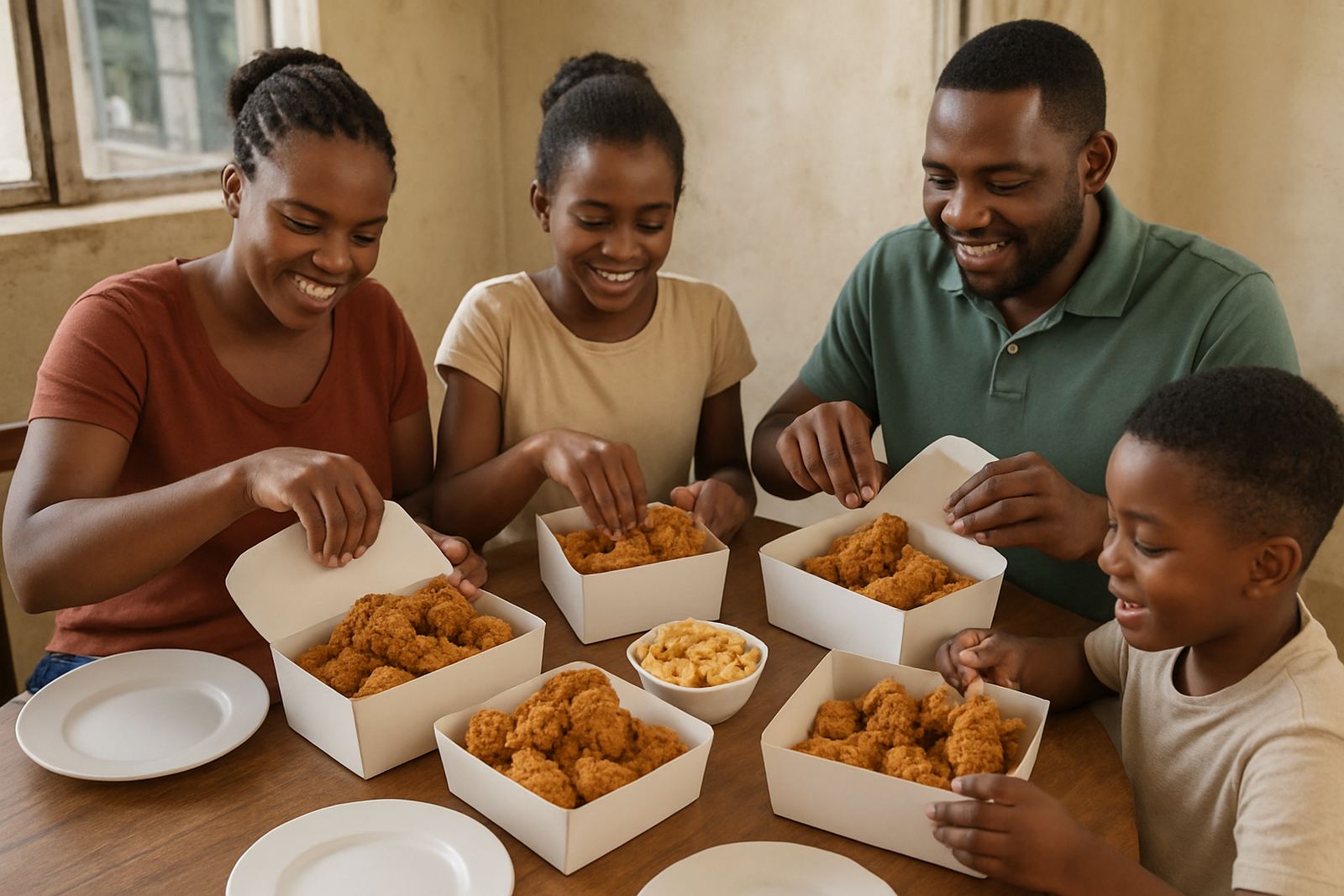
A family supper order usually starts with mixed chicken pieces, or a selection of pieces that suit the household. Some homes want a milder taste for children, while others prefer a spicier batch for adults. Sides normally include chips, rice, coleslaw or a simple starch that can carry the meal further. If the order is for a big family, extra sauces and a second side are often worth adding.
The equipment set behind this kind of service is straightforward but it needs to be kept steady. You are looking at frying pots or commercial fryers, oil filtration or regular oil management, a heat-safe holding area, insulated pack trays, portion scoops, tongs and a clean prep counter. A working fridge for raw stock, a handwash basin and a reliable power backup plan also matter, because without those the queue slows and oil quality suffers.
- Commercial fryer or deep frying pot for consistent heat
- Holding trays to keep batches organised before packing
- Insulated containers and grease-resistant bags for travel
- Fridge and prep space that separate raw chicken from cooked food
Layout advice for a kitchen that handles evening rush
For family supper takeaways, the kitchen layout should reduce crossing paths. Raw chicken, seasoning, batter or coating, frying point and packing point must each have their own space. If a team member has to move back and forth across the room with hot trays, delays and spills become common. In a busy Soweto kitchen, that matters most between 4pm and 8pm when collections stack up.
A sensible flow is reception, prep, frying, draining, packing and handover. Keep the counter visible from the collection point so callers and walk-in customers can be checked in quickly. In summer, good ventilation matters because the kitchen gets hotter fast. In winter, make sure the holding area keeps the chicken warm without drying it out. If the area serves nearby collections as well, label each pack clearly so mixed orders do not get crossed.
- Use a one-way flow from prep to fryer to pack-out
- Keep collection labels visible for family names and time slots
- Store sauces and sides close to the packing counter
Common mistakes that spoil a supper order
The biggest mistake is underestimating how much food a household needs. A pack that looks enough in the kitchen can feel too small once it reaches the table and everyone has taken a piece. The second mistake is overfilling the bag so the boxes tilt in the car. Oil marks, crushed chips and lid lift happen fast when packaging is too tight.
Another common problem is poor timing. If the chicken sits too long before packing, the coating softens. If it goes out too early, the family arrives home to lukewarm food. Salt and spice balance also matter, because a supper order should suit mixed ages. Too much heat can leave children picking at the meal while too little seasoning makes the whole pack feel flat.
- Do not send out overstacked boxes that squash the coating
- Do not pack wet sides directly against the chicken
- Do not guess portions for a large household
- Do not skip clear naming and collection timing
Budget ranges for family packs in Rand
Budget depends on piece count, sides, the size of the family and whether the order is collected or made ready for a set time slot. For a smaller home supper, a simple pack may start around R120 to R180. A medium family order often falls between R180 and R320, especially when chips and rice are both included. Larger packs, tray orders or mixed spicy and mild boxes can move into the R350 to R650 range.
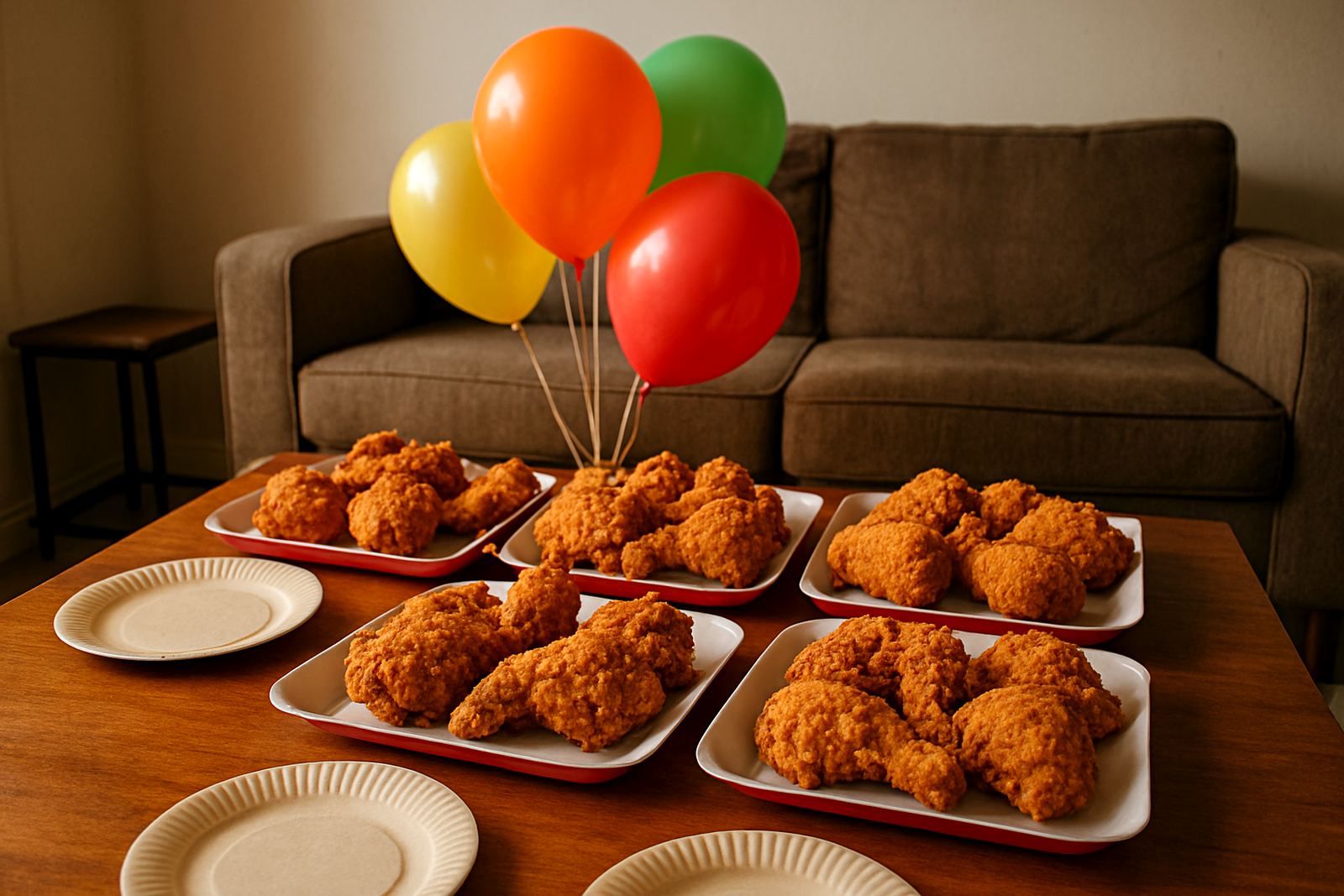
If you are feeding a group after church, after a funeral meeting or after sports, it is often more practical to budget for a tray rather than several small packs. That usually gives better value and less packaging waste. For households that order every week, the best saving comes from planning ahead, choosing a standard pack size and avoiding last minute add-ons that push up the total.
- Small family supper: about R120 to R180
- Medium family supper: about R180 to R320
- Large tray orders: about R350 to R650
How to plan your order for nearby areas
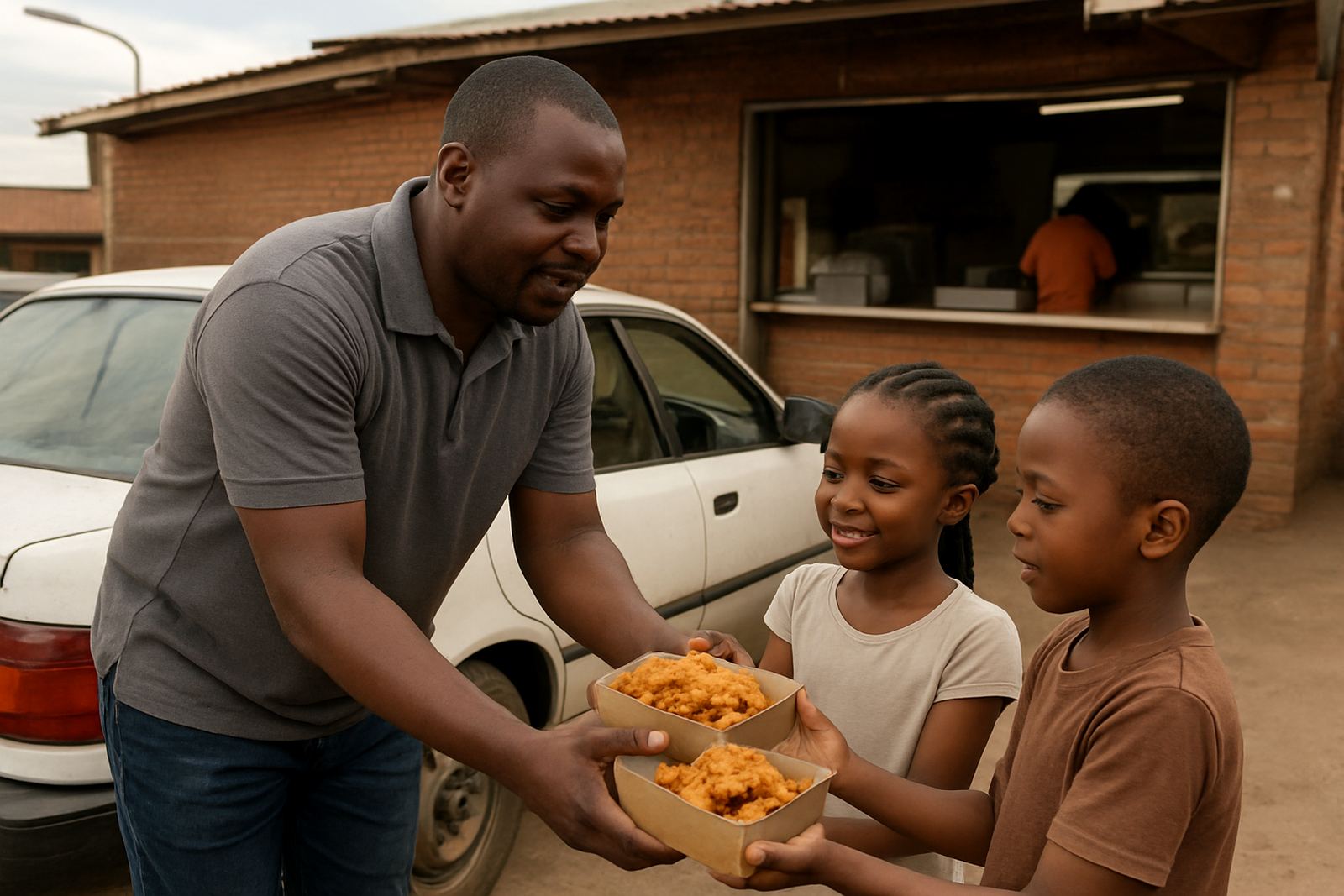
Families in Diepkloof, Meadowlands, Protea Glen, Dobsonville and Naledi often need food that travels well and stays tidy by the time it reaches home. That is why collection time slots matter. A properly timed order saves the last rush at the counter and gives the kitchen a clear window for frying, draining and packing. It also helps when the evening load shedding schedule shifts and the household wants supper before dark.
For the cleanest result, place the order early, confirm the number of people, say whether children are included and let the team know if the food will be collected for immediate eating or taken home for a later supper. If the meal has to travel further across Soweto, ask for stronger packing and separate side containers. Small details make a big difference when the food has to arrive looking as good as it did at collection.
- Book earlier for Friday, Sunday and month-end supper times
- Ask for separate sides if the trip home is longer
- Use collection slots for faster handover and less waiting