
What the lunch rush looks like at Orlando West
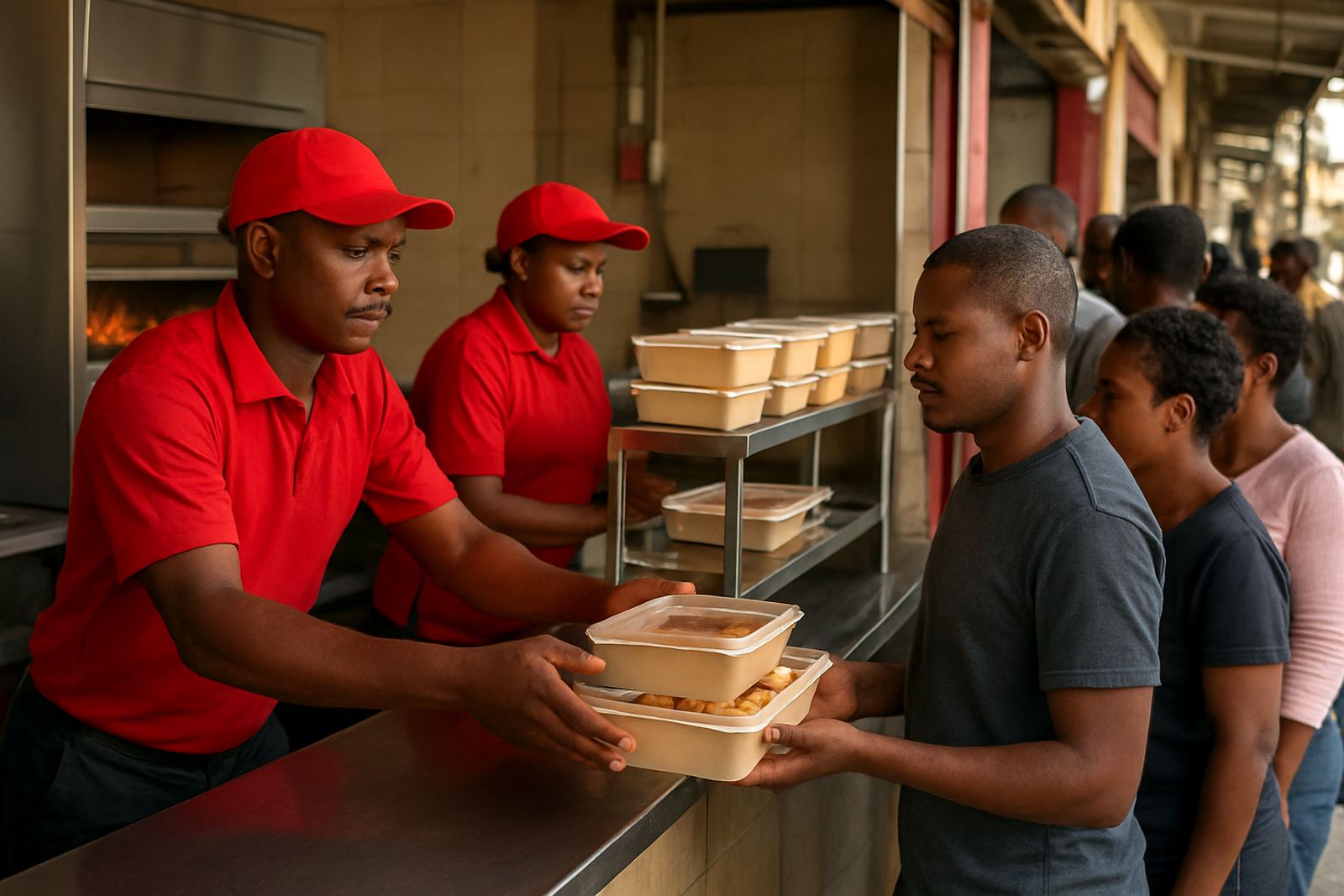
The busiest times are usually lunch, early evening and weekends, especially when families are collecting on the way home or groups are placing shared orders. In Orlando West, a queue can build quickly when school groups, office workers and neighbours all arrive within the same half hour, so it helps to plan for a short wait and keep your order simple.
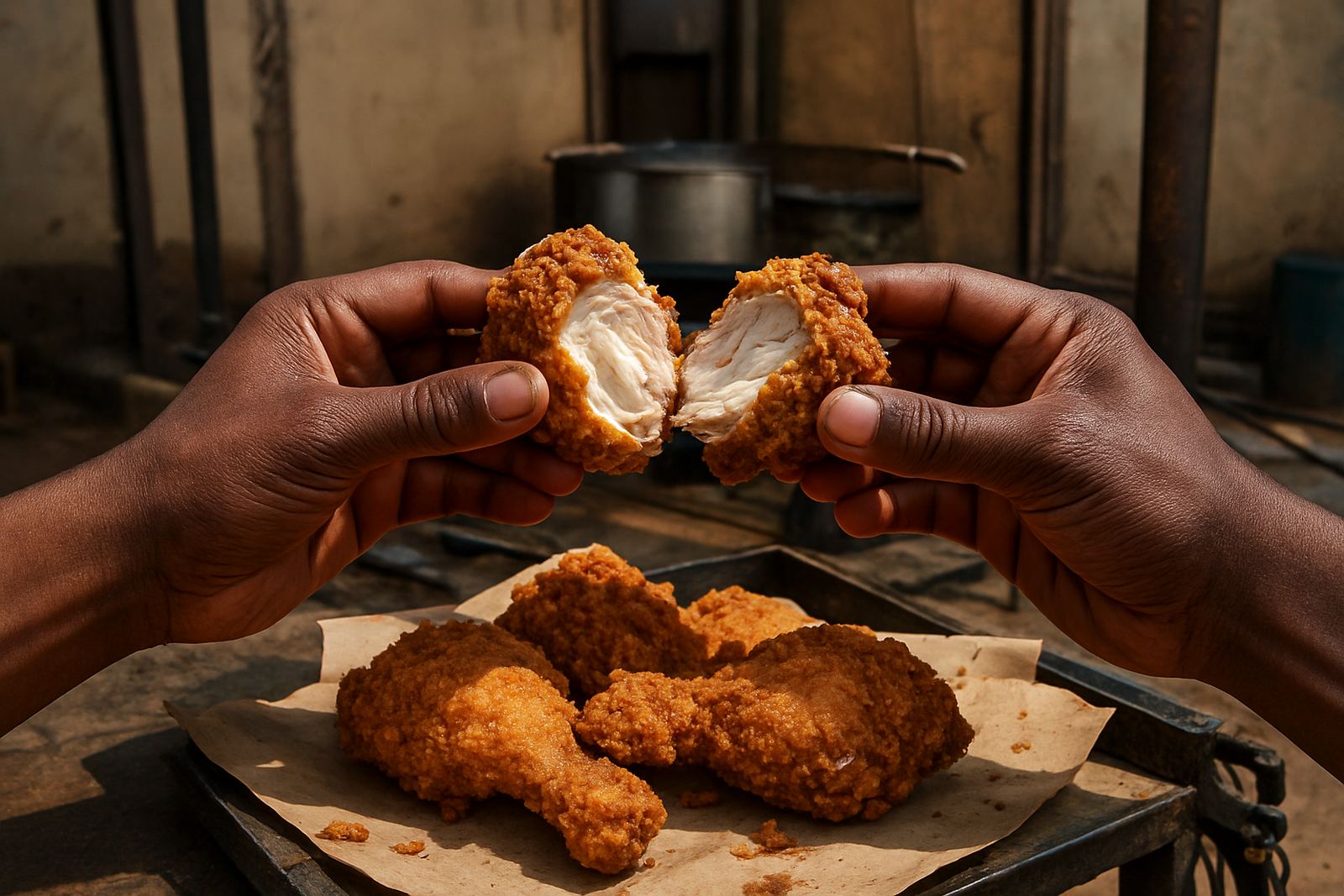
During peak periods, the kitchen works through batches rather than trying to rush every piece at once. That means the chicken stays crisp and evenly cooked, but it also means popular items can move out faster than expected. If you arrive right on the lunch bell or just before supper, be ready with your order in mind.
- Busy windows: 12:00 to 14:00 and 17:00 to 19:00
- Best for quick collection: lighter orders, boxed lunches and set combos
- Best to prebook: family packs, party trays and larger group orders
How to order smartly when the queue is long
The quickest customers are not the loudest ones, they are the ones who know exactly what they want. If you are ordering for one or two people, choose a simple meal combo or a boxed lunch and decide on your sides before you reach the counter. That keeps the line moving and reduces back-and-forth once you are in front.
For bigger groups, it pays to think in portions. A tray for a Sunday visit, a pack for a church group, or a funeral order for extended family all needs a bit more time and planning. When the kitchen can prepare in advance, the handover is smoother and the food travels better. For orders going to Diepkloof, Meadowlands, Protea Glen, Dobsonville or Naledi, clear item counts help with packing and dispatch.
- State the number of people first, then the meal type
- Choose your spice level before you queue
- Ask for collection time slots if you need to pick up later
- Keep travel time in mind if you are going further across Soweto
Why packaging matters on the taxi ride home
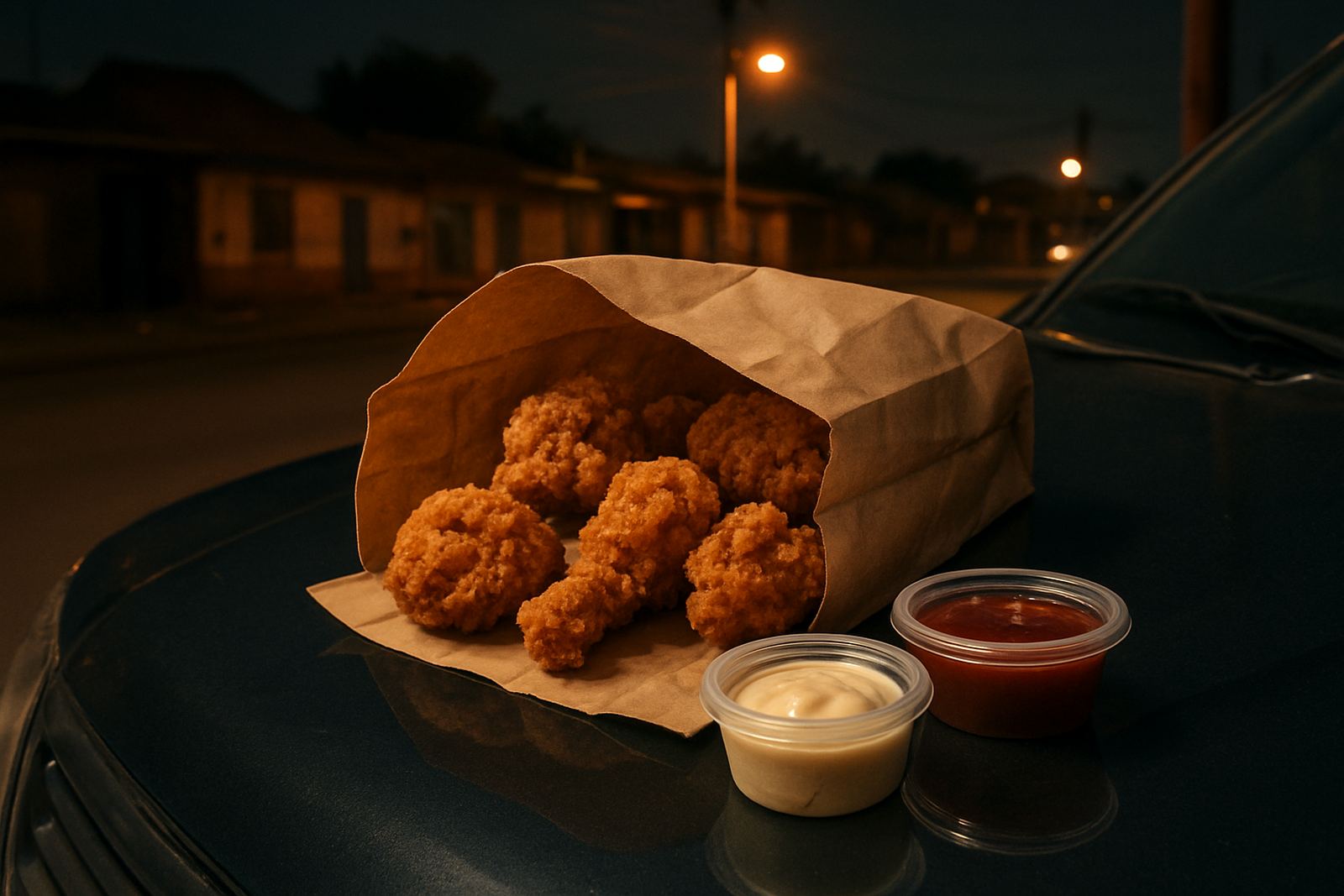
Good food can still arrive tired if it is packed badly. In a busy kasi setting, packaging has to hold heat, protect the coating and keep sides from spilling when the bag moves on the taxi seat or in a car boot. That is especially important on hot days, when the air stays warm, or when there is a delay between collection and eating.
For that reason, travel-ready packing is part of the service, not an extra. Boxes should stay upright, sauces should be sealed and separate items should be kept apart where possible. If you are carrying food to Meadowlands, Dobsonville or a family yard in Protea Glen, ask for the order to be arranged so it can sit safely on the trip. A well packed meal is easier to share and still looks decent when it reaches the table.
The small signs of a well-run counter
When a queue is moving properly, you can usually see it before you even order. Staff should be calling out numbers clearly, handling cash or card with focus, and keeping the counter tidy enough that people know where to stand. In a kitchen that serves lunch queues every day, that kind of order matters just as much as speed.
The other sign is consistency. Pieces should look evenly coated, sides should be portioned the same way, and the person taking orders should understand the difference between a quick walk-in meal and a larger catering request. At Kasi Fried Chicken, that steady approach helps the team manage weekday trade, weekend crowds and prebooked collections without confusion.
- Look for clear order calls and collection names
- Expect portions that stay consistent across repeat visits
- Use the counter lead or collection slot process for larger orders
- Ask about weekend prebooking if you need a fixed time
Ordering for groups, churches and school events
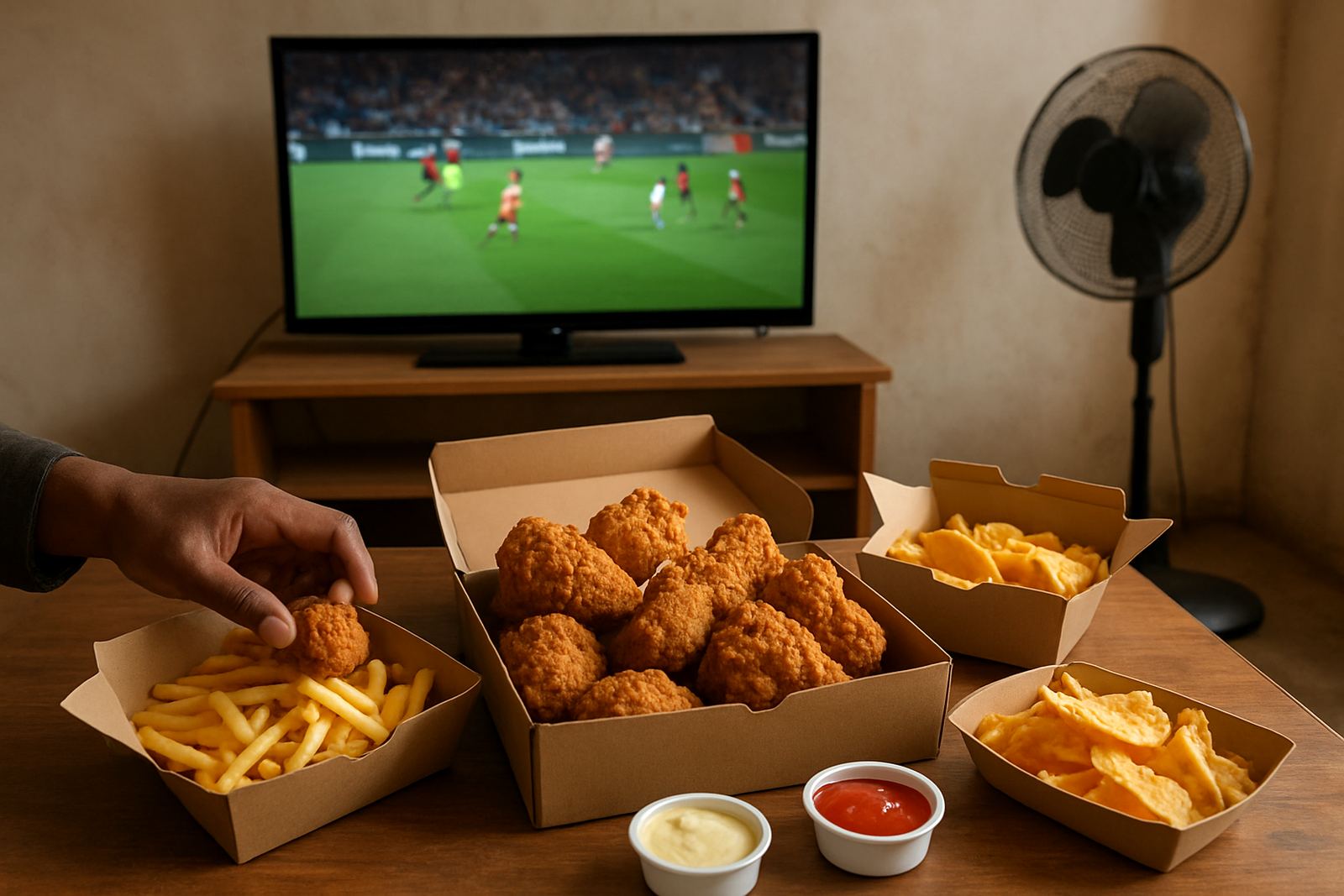
Group orders need a bit more thought than a single lunch pack. A school event, church gathering or family celebration usually means mixed ages, mixed appetites and a need for food that can be handed out quickly. That is where boxed lunches, snack packs and tray orders make sense, because they are easier to count, carry and serve.
If you are arranging food for a funeral, a church meeting or a weekend family gathering, give the kitchen as much notice as possible. Mention whether the food must be collected early, kept for a set time, or split between different vehicles. The more exact the request, the easier it is to prepare without delays. It also helps the team make sure the final load is packed in a way that can travel across town without trouble.
A local example from Soweto rush hour
Picture a Friday afternoon in Orlando West. A mother leaves work, two children are waiting, and the taxi route means she still has to pass through a crowded stop before getting home. If she arrives without a plan, she joins the queue, waits through the rush and then has to explain the order from scratch at the counter. If she called ahead, chose a family pack and set a collection time, the pickup is quicker and the food gets home while it is still hot.
That is the real value of reading a busy queue. It is not only about standing in line, it is about knowing when to arrive, what to ask for and how to make the meal fit your day. Around Soweto, where people are moving between work, school, church and home, the best order is often the one that saves time without cutting corners.
When to walk in and when to prebook
Walk-in ordering is fine when you are buying for one or two people and you are not in a rush. If the queue is short, you can usually get sorted quickly, especially outside the main lunch and supper periods. But if your order is for a family, a team or an event, prebooking gives you a far better chance of collecting on time.
Use call ahead orders, collection time slots and weekend prebooking when the meal matters more than the wait. That is the simplest rule. If the food needs to feed more than a few people, or if the timing has to fit a taxi schedule, a church programme or a school event, plan it before you arrive. It saves stress and keeps the kitchen working at the right pace.
- Walk in for small, flexible orders
- Prebook for trays, packs and timed collections
- Use the enquiry form for larger or structured orders
- Allow extra time on Fridays, Saturdays and public holidays