Why the ride matters after the oil has settled
Hot chicken can lose its best shape quickly if it is packed too early or sealed in the wrong container. On a short trip through Soweto, that often means steamed coating, soft chips and gravy sliding into the wrong section. For family takeaways, church orders and weekend trays, the aim is simple: keep each part of the meal where it should be until the box is opened.
In busy areas like Orlando West, Dobsonville and Naledi, orders often move through taxis, private cars and collections on foot. That means packaging has to cope with stops, traffic and a few sharp turns. A good pack does not just look neat at the counter, it still holds its shape 20 or 30 minutes later when the food reaches the table.
What practical packaging should do
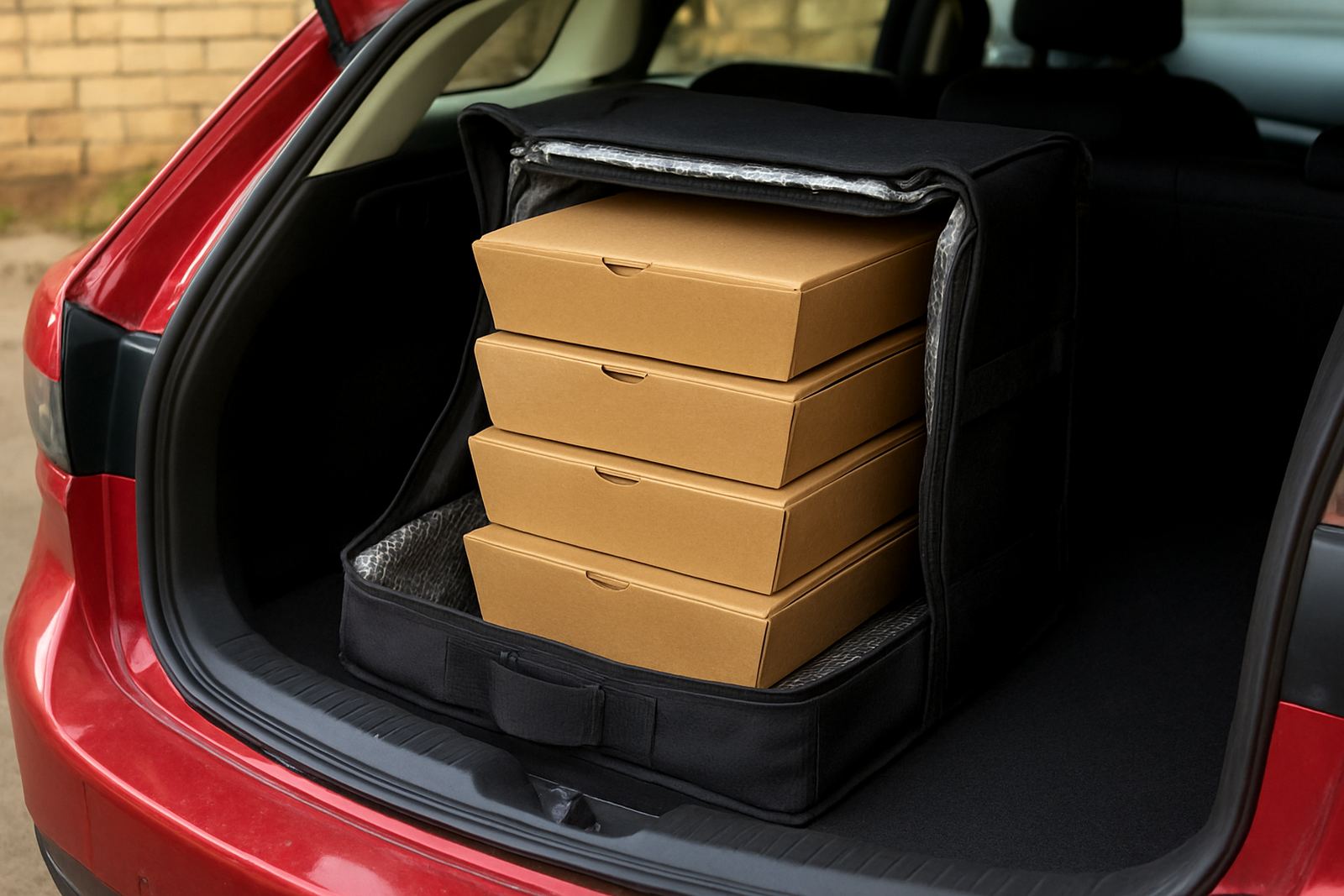
Chicken pieces need room to breathe, but not so much space that they tumble around. Sides need their own section so they do not soak into the coating. A travel pack should also stay closed without being over-crushed, because squeezed lids trap steam and flatten the crumb. In warm weather, especially on a crowded ride, that extra steam is what turns a crisp meal dull.
- Use a box that holds the pieces snugly without stacking them too high.
- Keep wet sides, sauces and slaw in separate containers.
- Choose lids that close firmly but do not crush the contents.
- Use inserts or dividers for mixed meal combos and tray orders.
- Mark larger orders clearly so each pack stays matched to the right meal.
For boxed lunches and party trays, this is even more important. One mixed-up lid can slow service at a funeral gathering or school event, and nobody wants to be searching through a pile of containers when people are waiting to eat.
Keeping warmth without making the crust soft
There is a balance between heat and airflow. Too much wrapping keeps food warm for a few minutes, but it also traps moisture. Too little and the meal cools too fast, especially in winter evenings or on longer runs to Meadowlands and Protea Glen. The best travel pack keeps the food warm enough to serve, while allowing a little air around the chicken so the coating stays honest.
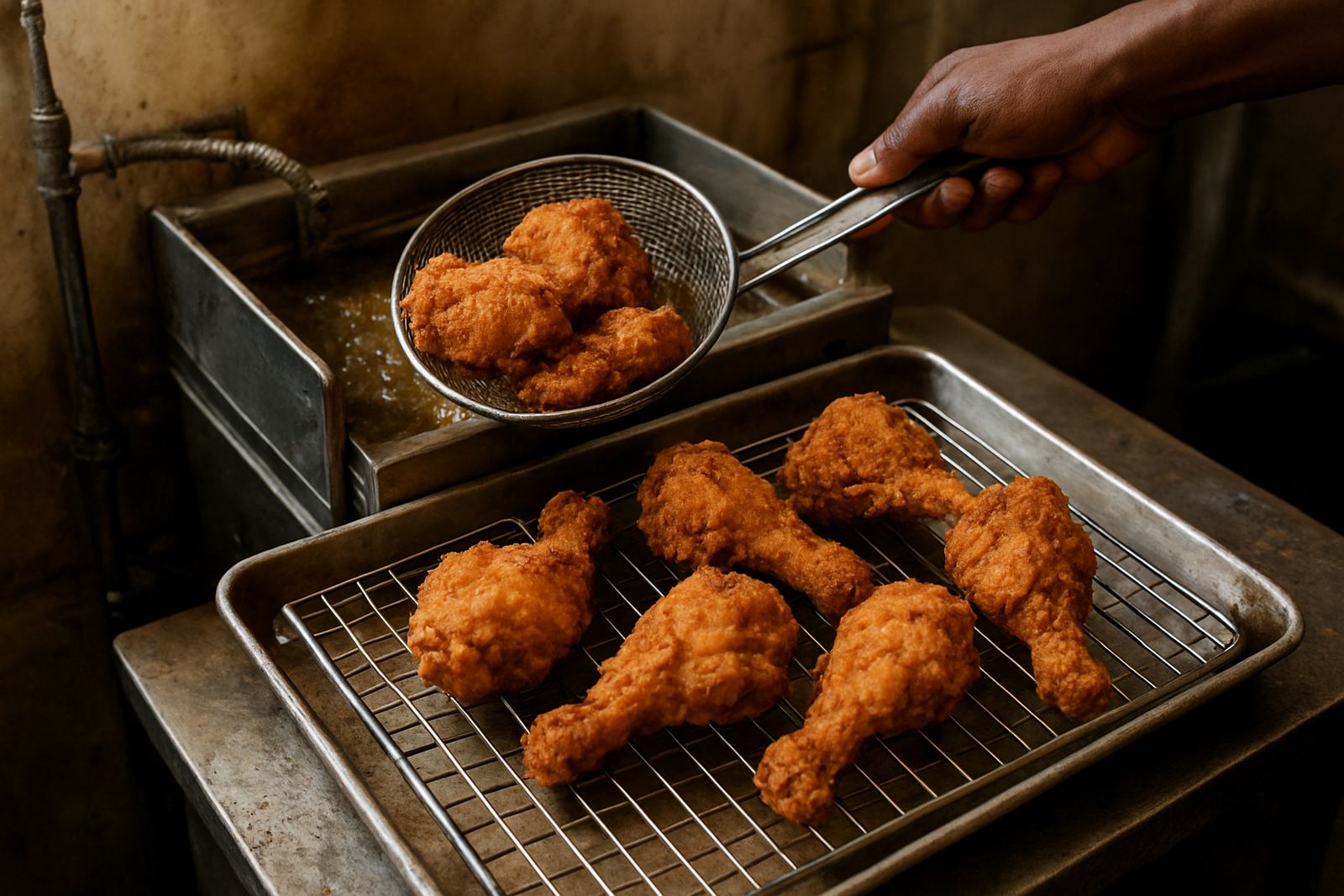
That is why timing matters as much as the box itself. Chicken should be packed after the oil has drained properly and the pieces have rested for a short time. If it goes into a sealed container while still too wet, the coating softens before it even leaves the counter. A clean, dry pack protects the meal better than any extra wrapping done in a rush.
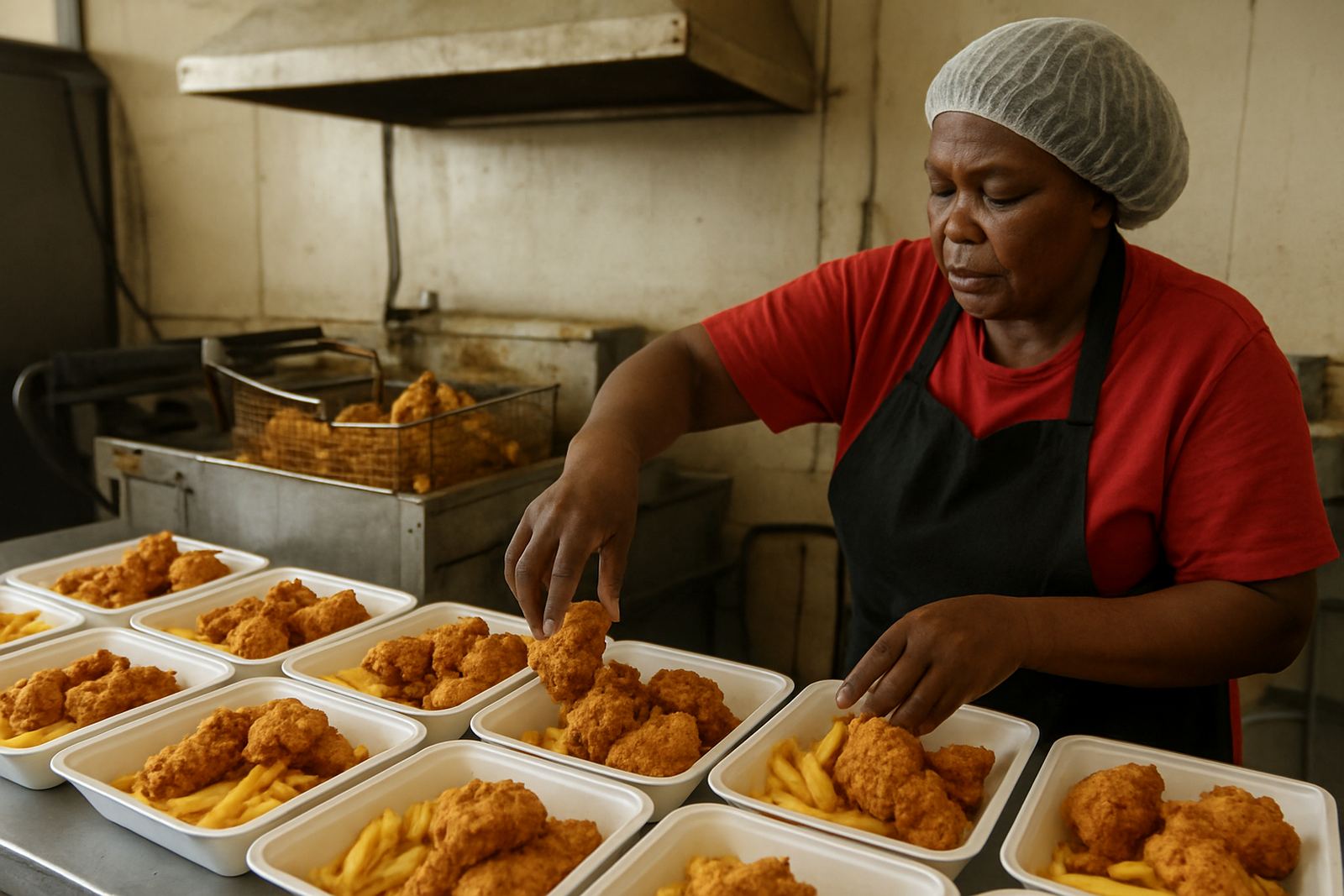
For larger family packs, the order should be built in stages. First the base pack, then the chicken, then the sides, then the final lid check. It sounds simple, but it keeps every piece in place and saves trouble when the order is handed over for collection or delivery.
How Soweto orders travel best across different areas
Every route has its own risk. Orlando West collections may be quick, but lunch queues can still mean wait time before the meal leaves. Diepkloof and Dobsonville orders may travel through stop-start traffic. Protea Glen and Naledi orders can sit longer in transit, so the pack needs to hold up without tipping or sweating through. The same applies to nearby collections where people are carrying food on buses or walking a few blocks home.
For local takeaway work, the packaging choice should match the journey, not just the meal size. A two-piece snack pack and a large family tray do not need the same format. When the pack matches the route, the food arrives looking more like it did at the counter, and that helps the meal feel proper when it is served.
- Short walks need steady lids and a box that will not open in hand.
- Taxi trips need containers that sit flat and do not slide around.
- Longer family runs need stronger outer bags and clearer packing order.
- Weekend prebooking works best when the meals are labelled by group or household.
Small details that save the meal
Little things make a big difference. A slightly loose lid can let heat escape. A soggy paper base can weaken the box. An overloaded tray can tip one side and put pressure on the coating. Even the order of packing matters. Chips or pap first, chicken second, sauces last. That way the meal keeps its shape and does not arrive with the soft items pressed against the hot pieces.
Clean handling also matters. When hands, tongs and containers stay tidy, the pack is easier to close and better to carry. For a kitchen serving families, school groups and funeral orders, hygiene and packaging go together. If the outside of the pack is neat, people feel more confident opening it at home or at a gathering.
There is also a practical side to labelling. When a customer collects several trays for a church group or a family event, clear marking helps the right order reach the right table. It may seem like a small step, but it saves confusion once the food is out of the kitchen.
A local example from Orlando West to Meadowlands
Picture a Friday evening order leaving Orlando West for a family in Meadowlands. The meal includes chicken pieces, chips and a few sauces, all needed for supper after a long day. If the chicken is packed loose in one layer, the coating stays fuller. If the sauces are sealed separately, the chips do not go soft. If the outer bag is kept upright, the whole order arrives ready to plate.
That is the kind of practical thinking that works across Soweto. It does not depend on fancy extras. It depends on knowing how food moves, where it tips, and how long it needs to stay warm. For everyday takeaways, that knowledge is part of the service.
Families collecting after work, neighbours placing weekend prebookings and groups ordering for events all want the same thing: food that still feels fresh when it reaches them. Good packing helps make that happen, even when the road is busy and the weather is changing.
What customers should expect from a proper travel pack
When packaging is done well, the meal opens neatly and the pieces still look like pieces, not a mixed-up pile. The crust should still have some bite. The sides should stay in their own place. The box should be easy to carry from the taxi rank, the gate or the car to the table without leaking or collapsing. That is what practical takeaway work should deliver.
For Kasi Fried Chicken, this approach suits lunch queues, evening orders and weekend family collections across Orlando West, Diepkloof, Meadowlands, Protea Glen, Dobsonville and Naledi. It keeps the food honest and the handover simple. If the pack travels well, the meal begins well and ends well too.
Customers who need collection time slots, family pack catering, event snack packs or funeral order support can plan ahead and keep the order moving without stress. The food is packed with travel in mind, so it reaches the customer ready for serving, not needing rescue.