
Why oil quality changes the whole plate
Frying oil does more than carry heat. It is part of the flavour, the colour and the smell that reaches a customer before the first bite. When oil is clean and managed properly, chicken comes out with a light golden coat, not a dark heavy crust. The seasoning stays clear, the coating tastes fresh and the meal feels right from the first mouthful to the last.
When oil is overused, the signs are easy to spot. The colour goes dull, the coating picks up a bitter edge and the chicken can feel greasy on the fingers. Customers may not know the technical reason, but they know when a takeaway does not taste as it should. In a busy kitchen serving Orlando West and nearby areas, that difference matters because taste and handling need to stay right on every order.
For a family that orders on a Friday evening, or a worker collecting lunch on the way home, clean oil is not a small detail. It is the reason the meal arrives hot, crisp and familiar. It is also why the kitchen can keep portions steady without hiding poor frying behind strong spice or extra sauce.
What a disciplined frying routine looks like
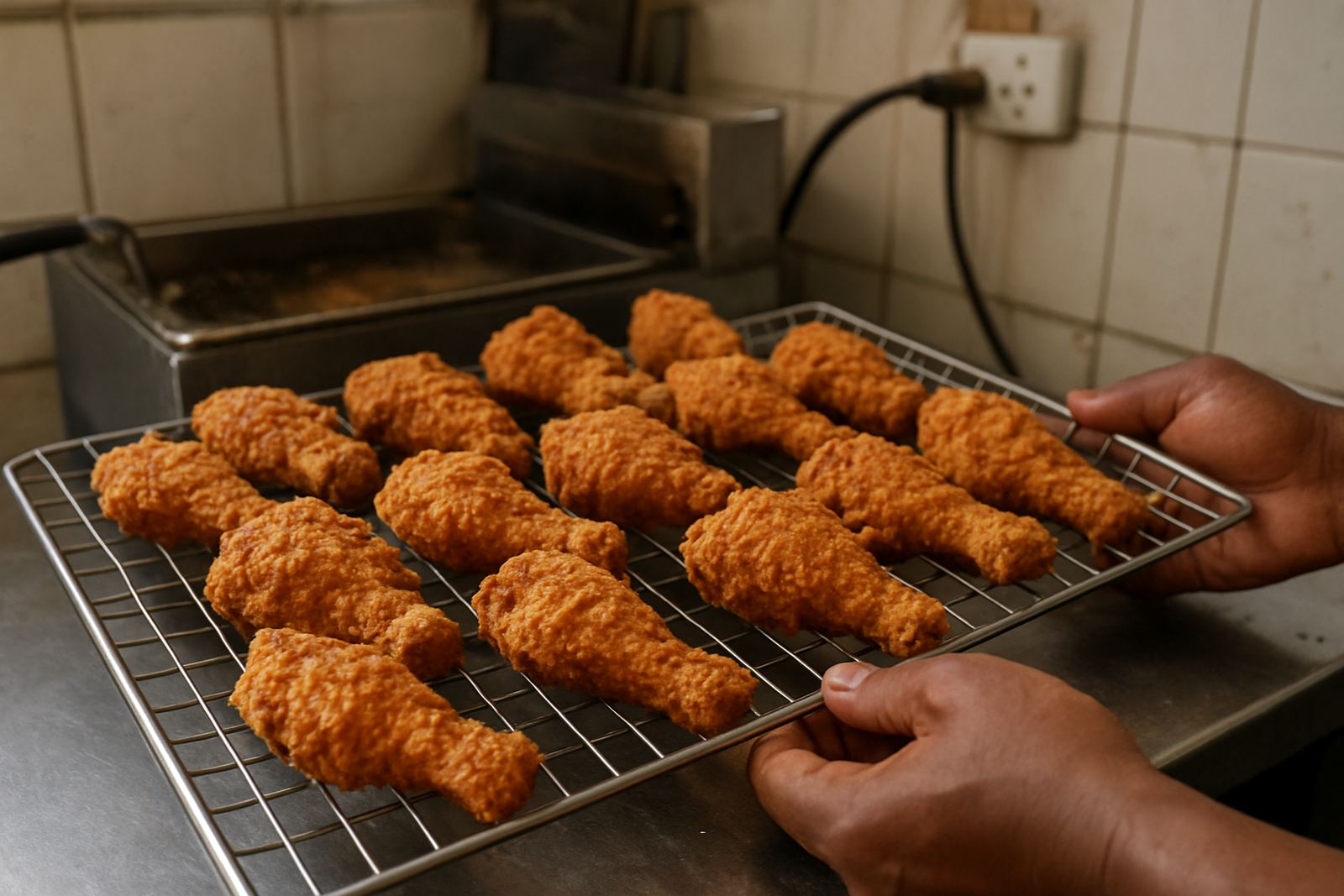
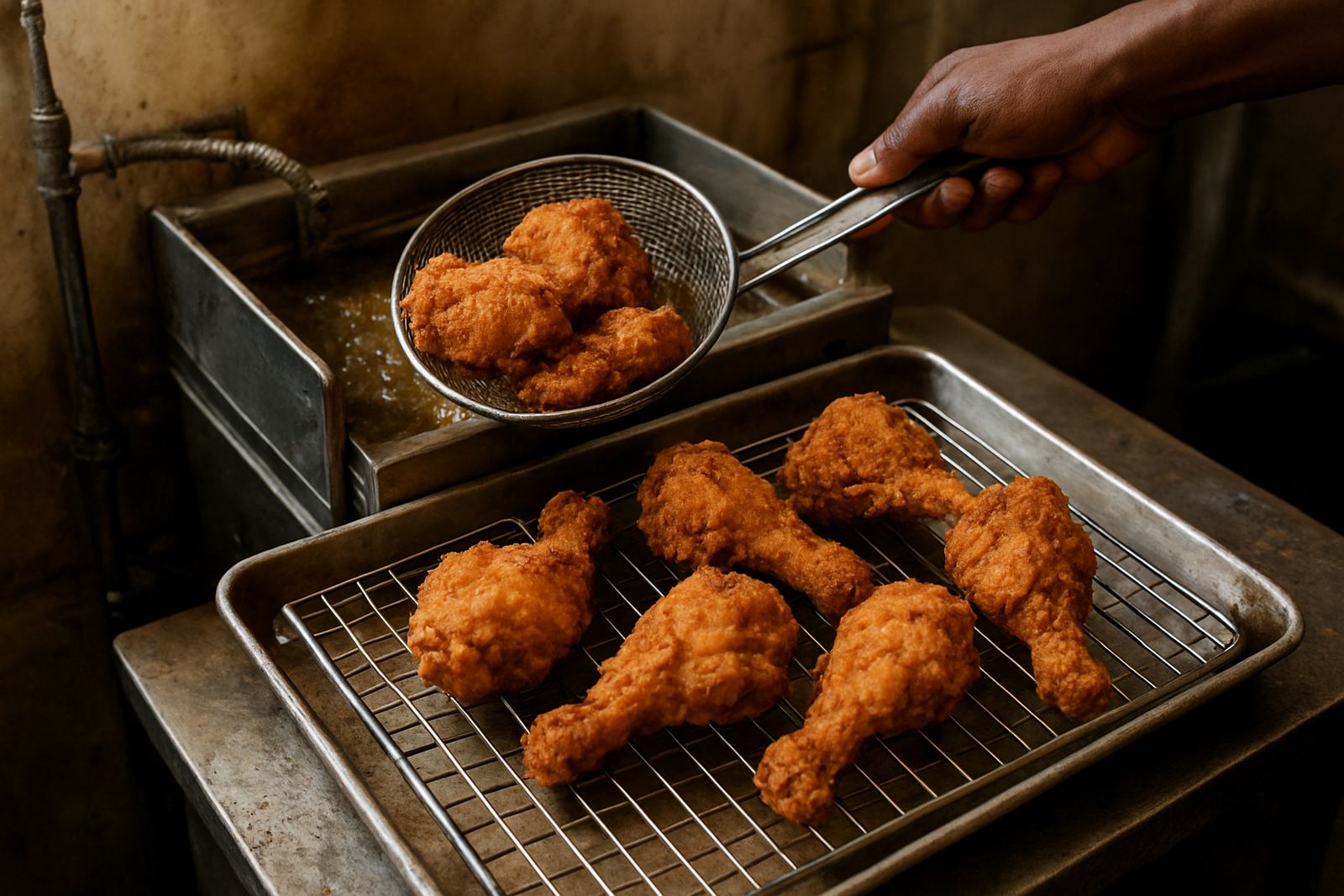
A proper frying routine starts before the first piece goes into the pot. The oil must be heated to the right range, the baskets must not be overcrowded and each batch must cook at the same pace. If too much chicken goes in at once, the oil temperature drops and the coating drinks in fat instead of crisping up. That is where texture goes soft and colour turns uneven.
Good kitchens watch the oil through the day, not only at opening time. They skim crumbs, check colour, and change oil before it breaks down. That routine takes discipline but it saves the kitchen from sending out tired looking food. It also helps with consistency during lunch queues, when the pressure is on and the orders keep moving.
- Keep batches small enough for steady heat and even colour.
- Remove loose crumbs often so the oil does not burn faster.
- Watch for smoke, dark sediment and a sharp stale smell.
- Drain chicken properly so the coating stays crisp on the tray.
- Replace oil before flavour starts turning bitter or flat.
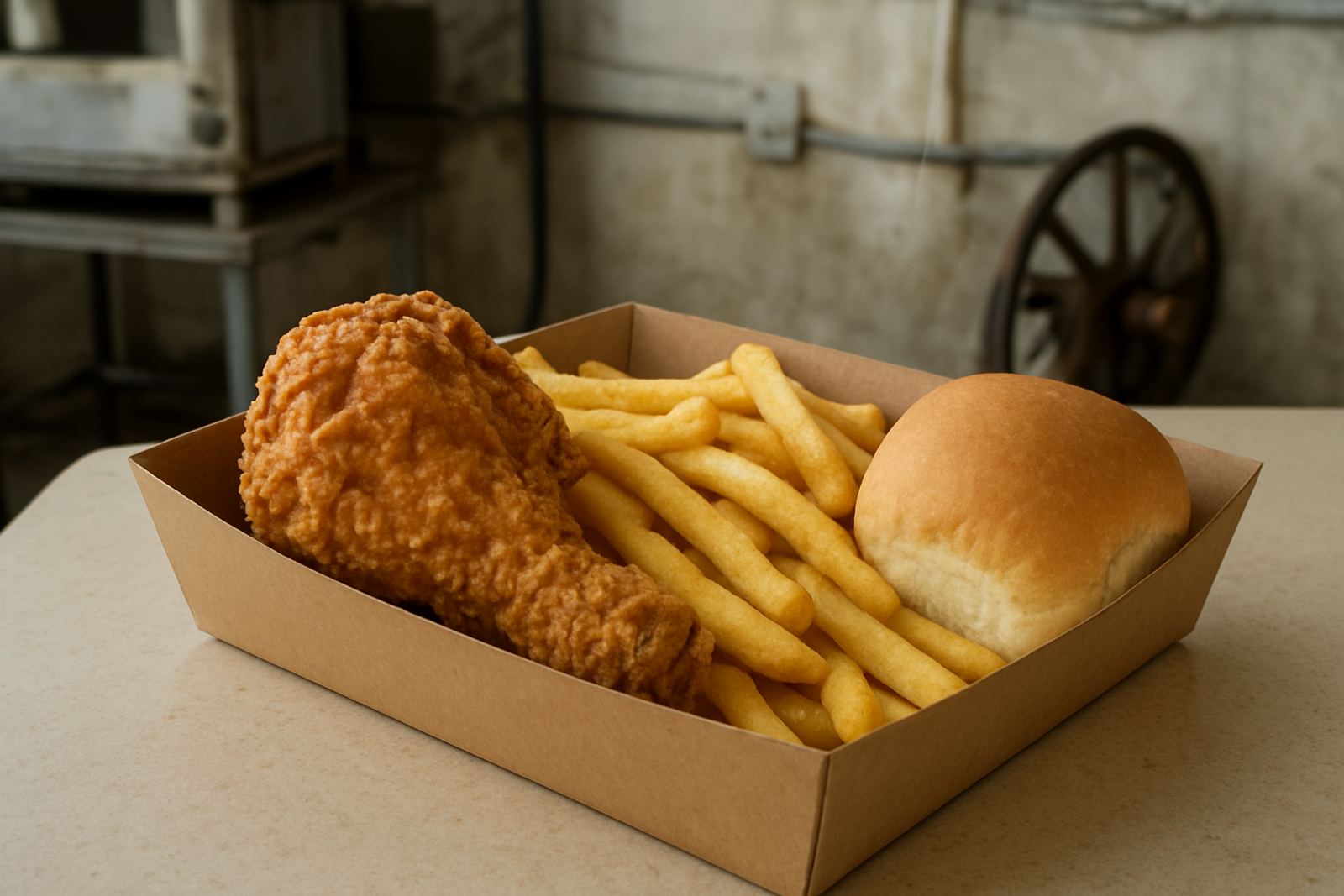
At Kasi Fried Chicken in Orlando West, that kind of care helps each order hold up from counter to car seat, taxi ride or family table. Clean frying is not fancy. It is just careful work done every day, even when the queue is long.
How clean oil protects flavour, colour and confidence
Customers judge with their eyes first. A clean fry gives a warm golden finish that looks inviting and signals care. The coating should be crisp without looking burnt. The spice should sit on the chicken, not be lost in dark oil marks or stale residue. That visual honesty builds confidence before the container is even opened.
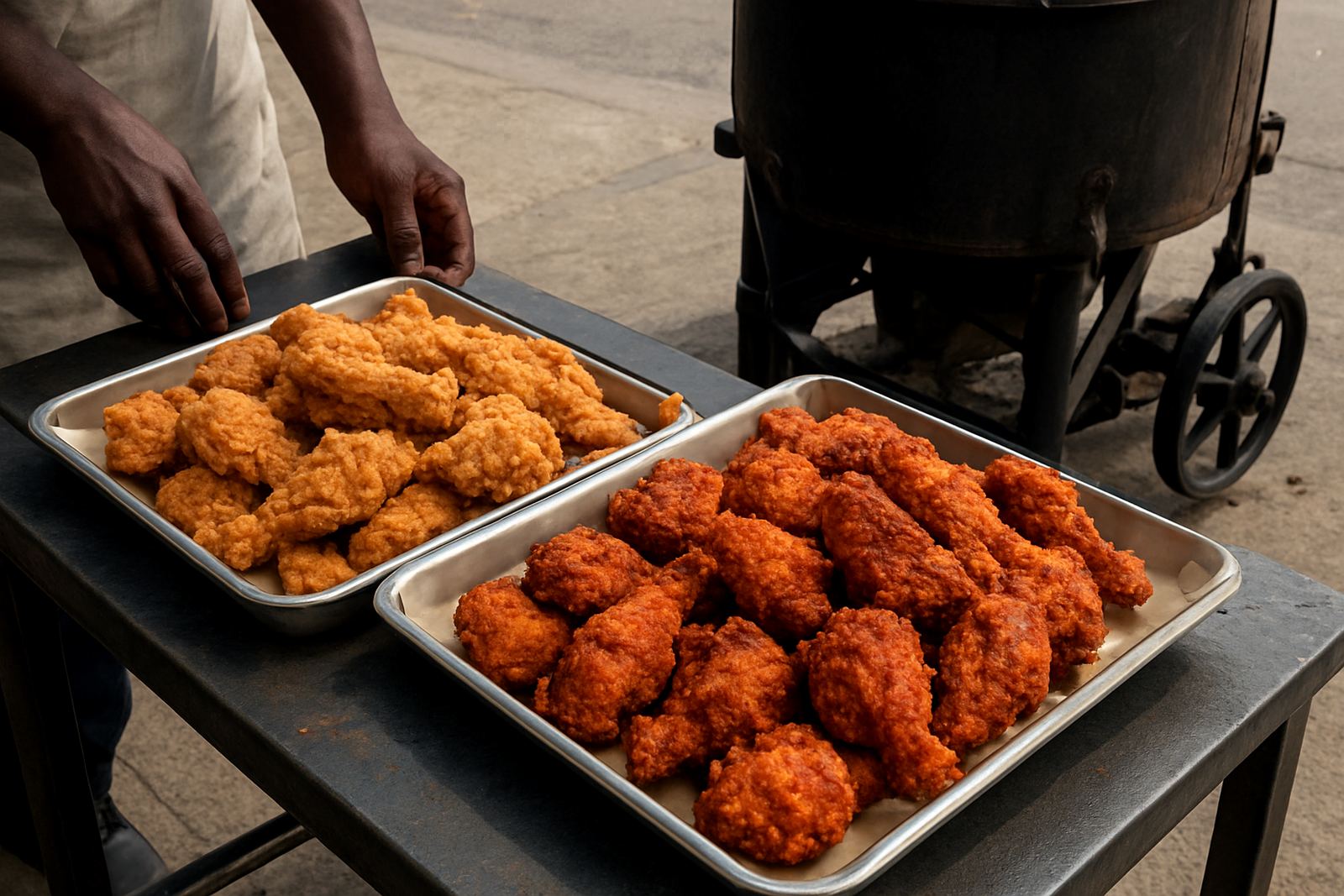
Flavour also stays clearer when the oil is managed well. Fresh oil carries seasoning without muddying it. The chicken tastes like chicken, with the spice on top, instead of a flat oily taste that covers everything. That matters for classic pieces, spicy options and simple meal combos alike.
There is also a practical side. Clean oil helps packaging travel better because less excess grease soaks into the carton. That means the meal holds shape when it goes across Soweto, whether it is going to Diepkloof, Meadowlands, Protea Glen, Dobsonville or Naledi. For customers collecting after work or ordering for a group, that small detail changes the whole experience.
Local customers notice the difference fast
In a township setting, people talk. If a kitchen sends out chicken that is crisp and neat, the praise moves fast. If the oil is tired, that also gets around. Families ordering for a Sunday lunch, church groups collecting after service and parents picking up boxed lunches all notice whether the food looks fresh and feels right.
That is why clean oil practice is tied to customer confidence. It tells people the kitchen is paying attention to the parts they cannot see. It also tells them the team respects their money. In areas where meals are often shared, compared and remembered, that matters a great deal.
- Lunch customers want speed without soggy coating.
- Evening orders need food that still looks good after a short trip.
- Weekend family takeaways must feed several people without tasting tired.
- Event snack packs and party trays need a neat finish that holds.
For a local kitchen, trust is built one container at a time. If the oil is clean, the result is more than good food. It is a steady promise that the next order will match the last one.
How the kitchen keeps quality steady during busy days
Busy service can push standards down if the team is not watching closely. That is why each role in the kitchen matters. The kitchen supervisor keeps the frying pace in check. The front counter lead makes sure orders are clear and timed properly. The quality and hygiene lead watches the cooking area, the oil condition and the way food is handled before packing.
At Kasi Fried Chicken, the team uses simple habits to keep things steady. Chicken is prepared in measured batches, containers are packed as soon as the pieces are ready and collection time slots help avoid long waits. That reduces the chance of food standing too long and losing its crisp edge. It also helps during load shedding planning, when timing and preparation become even more important.
For customers who call ahead, prebooking helps the kitchen fry to order without waste. That means less holding, less soft coating and better control over what leaves the counter. It is a practical way to keep flavour tight on days when the queue runs deep.
A simple local example from Orlando West
Picture a Friday afternoon in Orlando West. Lunch has already been busy and the evening rush is starting to build. A family orders a mixed pack for collection, with sides for children and adults. If the oil has been managed well through the day, the chicken comes out with the same clean colour as the first batch. The pieces are neat, the seasoning is clear and the packaging stays dry enough to travel home without a mess.
Now picture the same order if the oil has been stretched too far. The coating darkens too quickly, the smell turns heavy and the box carries more grease than it should. The meal still fills the stomach, but it does not carry the same confidence. That is the difference fresh frying practice makes. It shows up in the box, in the bite and in what people say afterwards.
For kitchens serving Soweto families, schools, churches and event groups, that standard is worth protecting every day. Clean oil is not only about hygiene. It is about taste, colour and respect for the customer.