
Why the counter sets the tone
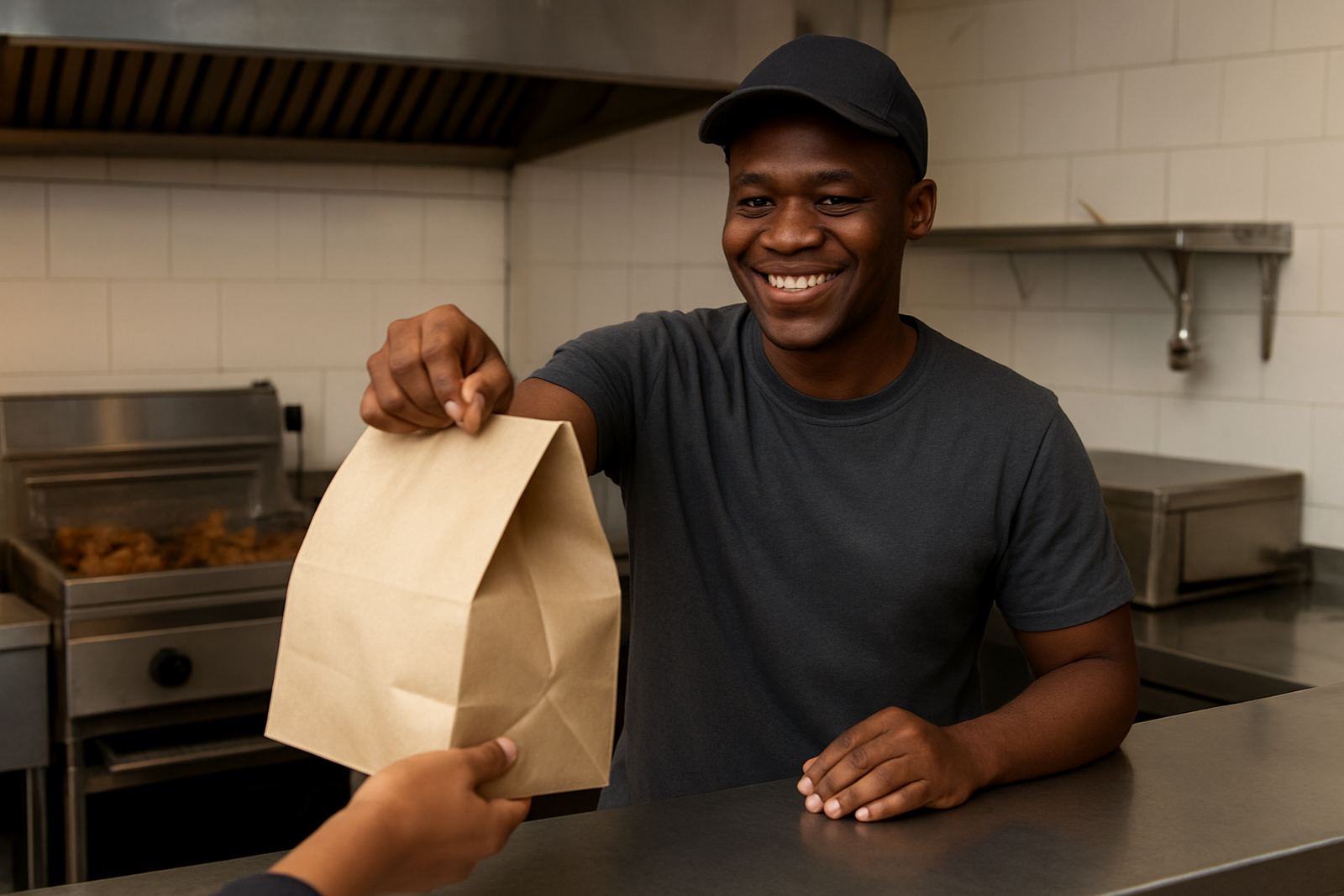
Most customers decide how they feel about a meal long before the first bite. In Orlando West and the surrounding areas, people are often ordering on a lunch break, after work, or while collecting food for the whole family. If the greeting is sharp, the queue feels managed and the order is handled with care, the experience starts well. If not, even a proper portion can feel like a hassle.
Friendly service is not about forcing a big smile for the sake of it. It means clear communication, a steady pace and respect for the person standing in front of you. In a busy fried chicken kitchen, that kind of service helps people trust that their order will be right, ready on time and packed in a way that still looks good when they get home.
What good service looks like in a takeaway queue
Good counter service has practical signs. Customers should know where to stand, how long they may wait and whether they can call ahead for collection. Families with children, church groups and workers collecting lunch all need a process that feels organised, not confusing. In Soweto, where many orders come in waves around lunchtime and again in the evening, small systems make a big differnce.
- Clear order taking, with no guessing over pieces, sides or spicy choices
- Simple updates on wait time so people can plan their day
- Neat packing that keeps crumbs, sauce and heat under control
- Calm handling of special requests for group meals or event trays
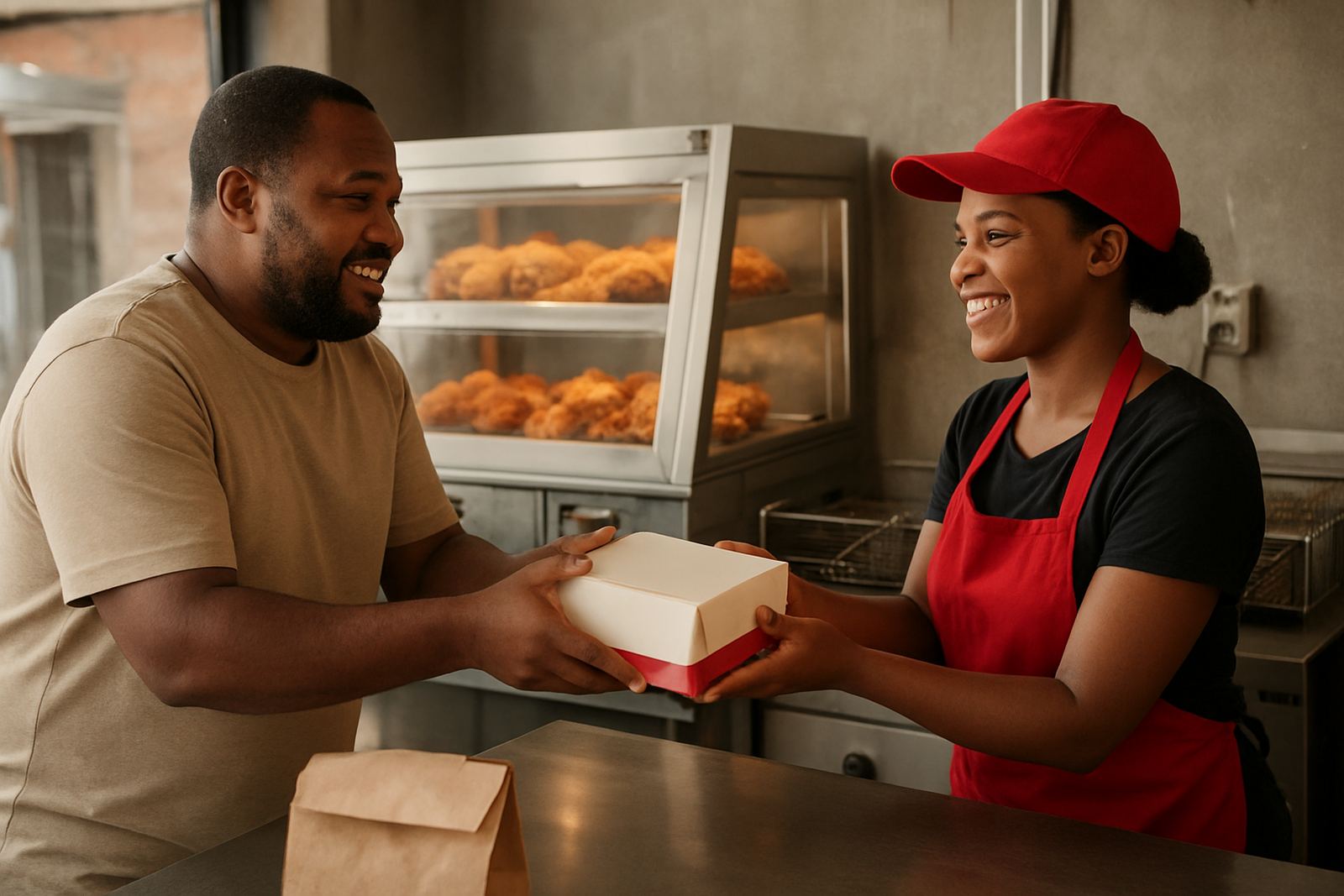
- Respectful collection handover, even when the line is long
When these basics are in place, customers can come back with confidence. They remember the people behind the counter as much as the taste of the food.
How friendliness protects the order itself
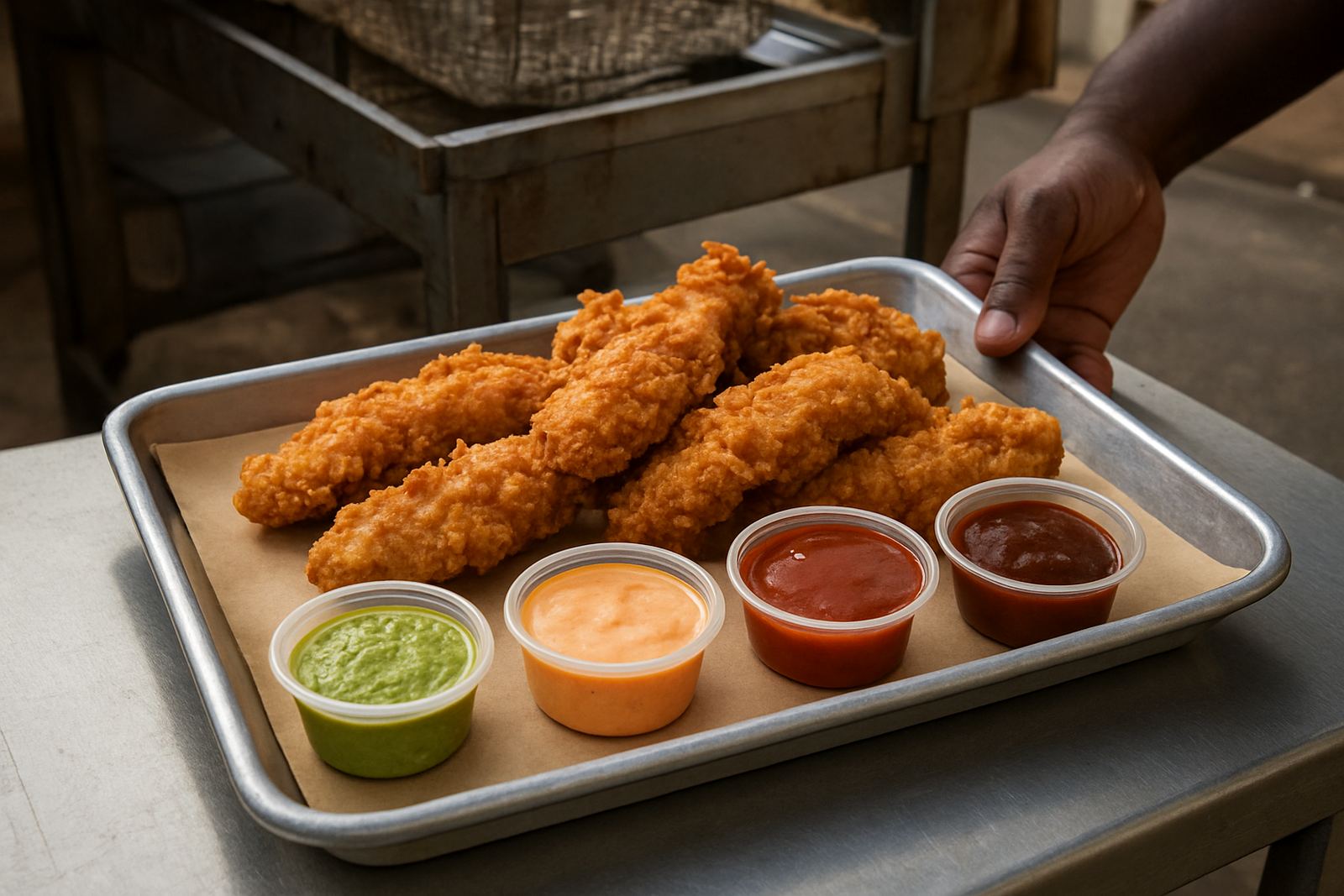
Chicken has to travel well, especially when it is heading to Diepkloof, Meadowlands, Protea Glen, Dobsonville or Naledi. If the order is packed carelessly, the coating softens too quickly, the sides move around, and the customer arrives home with a meal that feels second-hand. Friendly service often goes hand in hand with careful packing, because the same team that speaks clearly is also more likely to count properly, seal the box and set the food out in a sensible way.
That matters for family takeaways, weekend prebooking and funeral order support where the food must arrive ready to serve. It also matters on hot days and during load-shedding, when queues can build and customers want a kitchen that stays calm under pressure. A courteous team that keeps to the plan helps food leave the counter in better shape.
A local example from Orlando West
Picture a Friday afternoon in Orlando West. Office workers, taxi passengers and parents coming from school collections all arrive at nearly the same time. Some want quick boxed lunches, others are picking up larger family packs for the weekend. If the front counter is disorganised, people start asking the same questions over and over and the mood turns tight.
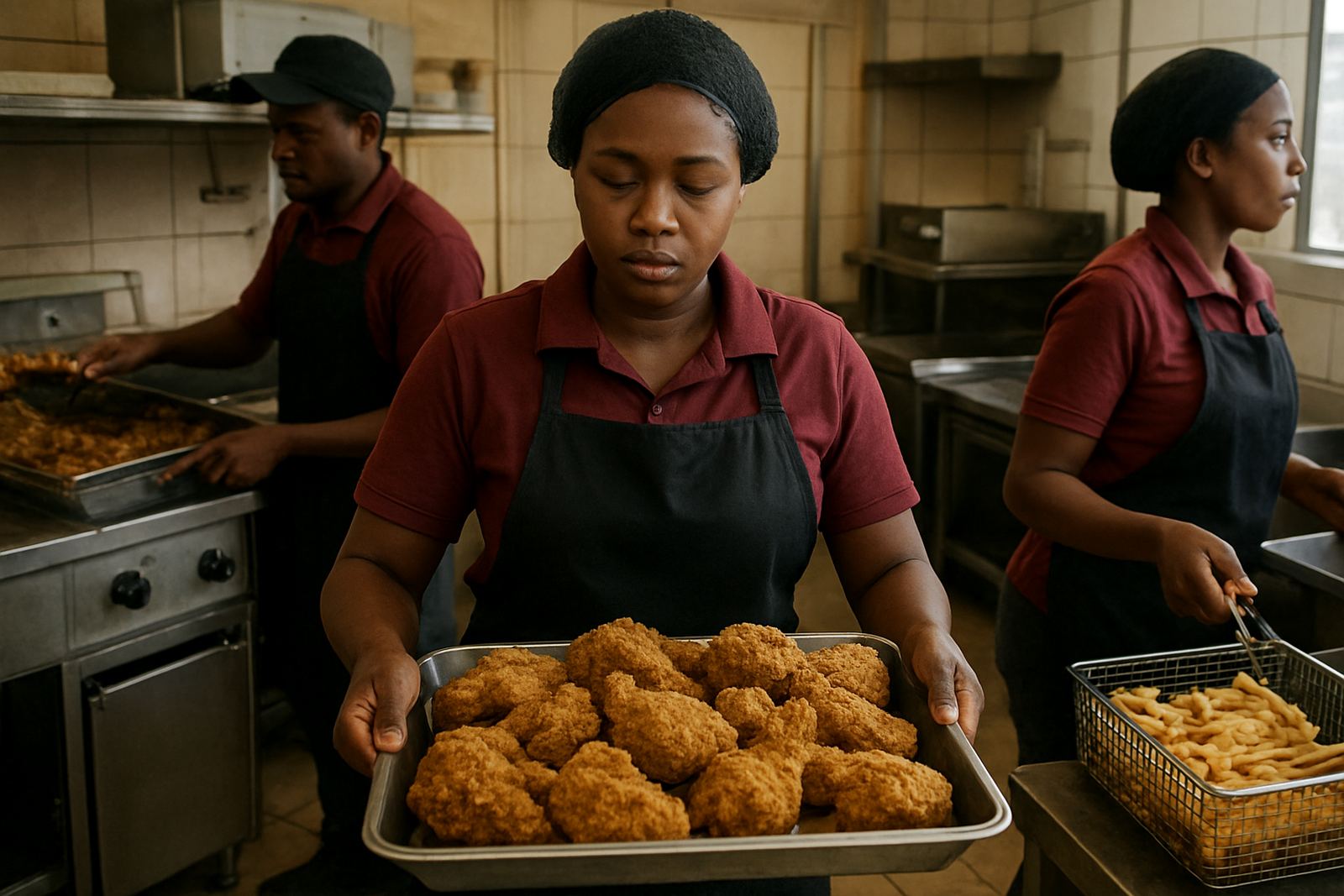
Now imagine a different scene. The queue is guided, calls ahead are ready for collection, and the person at the counter confirms each order before payment is finalised. The kitchen team keeps the pieces moving, while the packaging team checks that sides are included and lids are closed properly. That kind of service does not shout for attention, but it keeps the whole operation moving and customers leave feeling looked after.
That is especially important in a community setting. In kasi business, people talk. They remember who was fair, who was patient and who handled a crowded rush without making anyone feel small.
Practical habits that keep service friendly
Friendly service can be trained and maintained. It does not need fancy language, only disciplined habits. A team that knows the menu, understands portion counts and checks orders before handover will naturally serve better than a team that is guessing under pressure. Clean clothing, tidy counters and a straight answer also help customers feel comfortable.
- Greet customers within seconds, even if the queue is moving slowly
- Speak in plain terms about pieces, sides and collection times
- Repeat the order back before sending it to the kitchen
- Keep special requests recorded so no one is forgotten
- Handle complaints quietly and fix the issue on the spot where possible
These habits are simple, but they shape the whole meal experience. A customer who feels heard is more likely to return, even if they were in a rush the first time.
Service for families, groups and community orders
Some orders are bigger than a quick solo lunch. School events, church group collections, party trays and weekend family catering need more care because the stakes are higher. If one box is missing or one tray is packed badly, the whole group notices. That is why friendly service must also be organised service.
For larger orders, it helps when the team confirms the number of packs, the collection time and any special notes before the food leaves the kitchen. A good coordinator can prevent confusion by making sure boxes are labelled, sauces are included if needed and the customer knows exactly what to expect. When that happens, the person collecting the order feels respected instead of stressed.
In a place like Soweto, where family and community gatherings matter, that level of attention is not extra. It is part of doing the work properly.
Why friendly service powers every Kasi meal
Food brings people in once. Service brings them back. If the counter experience is steady, honest and kind, customers remember it when they need lunch again or when a weekend order comes up. They also tell neighbours, cousins and co-workers. In a busy neighbourhood, word of mouth still carries far.
That is why the best takeaway spots are not only judged by how golden the chicken looks. They are also judged by whether the staff kept their word, packed the order properly and treated the customer with respect. In Orlando West and across nearby areas, friendly service is not a soft extra. It is part of the product, just as real as the spice on the chicken and the crunch in the coating.
When the food is good and the service is fair, people leave with more than a meal. They leave with confidence that the next order will be just as right.