
Why shared packs often cost less than separate meals
In a busy place like Orlando West, the value of a meal is not only the price on the board. It is the number of people fed, the time saved in the queue and whether the food still tastes good once it gets to the table. A family pack usually works better than buying one small meal per person because the portions are grouped, the sides are shared and the packing is simpler.
That matters for households in Soweto where two or three extra small orders can quickly add up. With a shared pack, you are paying for one organised order instead of several separate transactions. You also avoid paying for extra packaging, extra sauces and extra waiting. For lunch on a Saturday or a quick supper after church, that difference shows up straight away.
- One order can feed more people than three or four individual meals.
- Shared sides stretch the meal without pushing up the total too much.
- Collection is quicker when the order is packed together.
- There is less chance of mixing up pieces, sides or sauces.
What makes a family pack work in Soweto homes
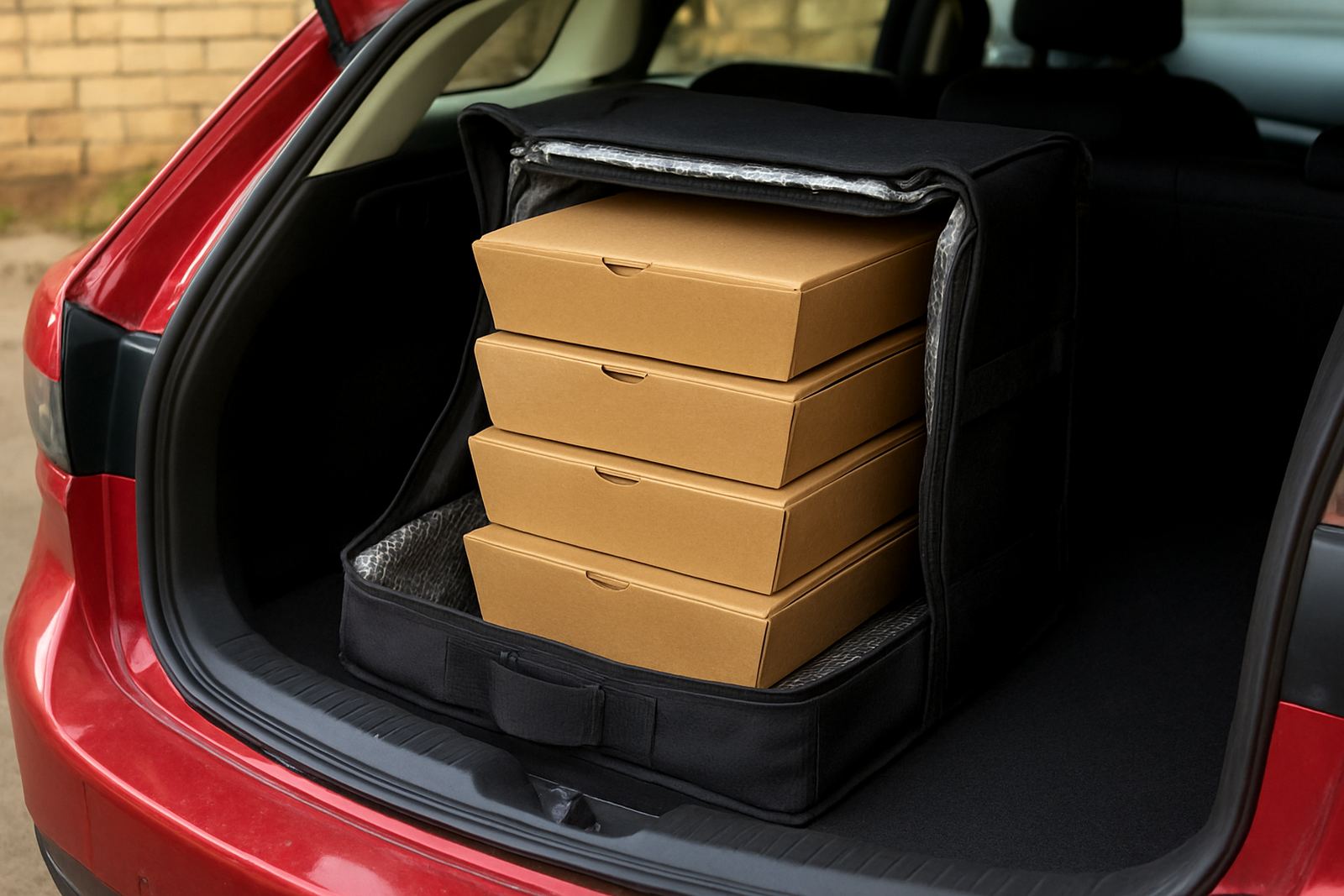
A good family pack has to travel well from the counter to the taxi rank, the yard or the flat. In Orlando West and nearby areas like Diepkloof and Dobsonville, people often collect food on the move, so the box must hold heat and keep the coating from going soggy. That is why packaging, portion balance and timing matter just as much as flavour.
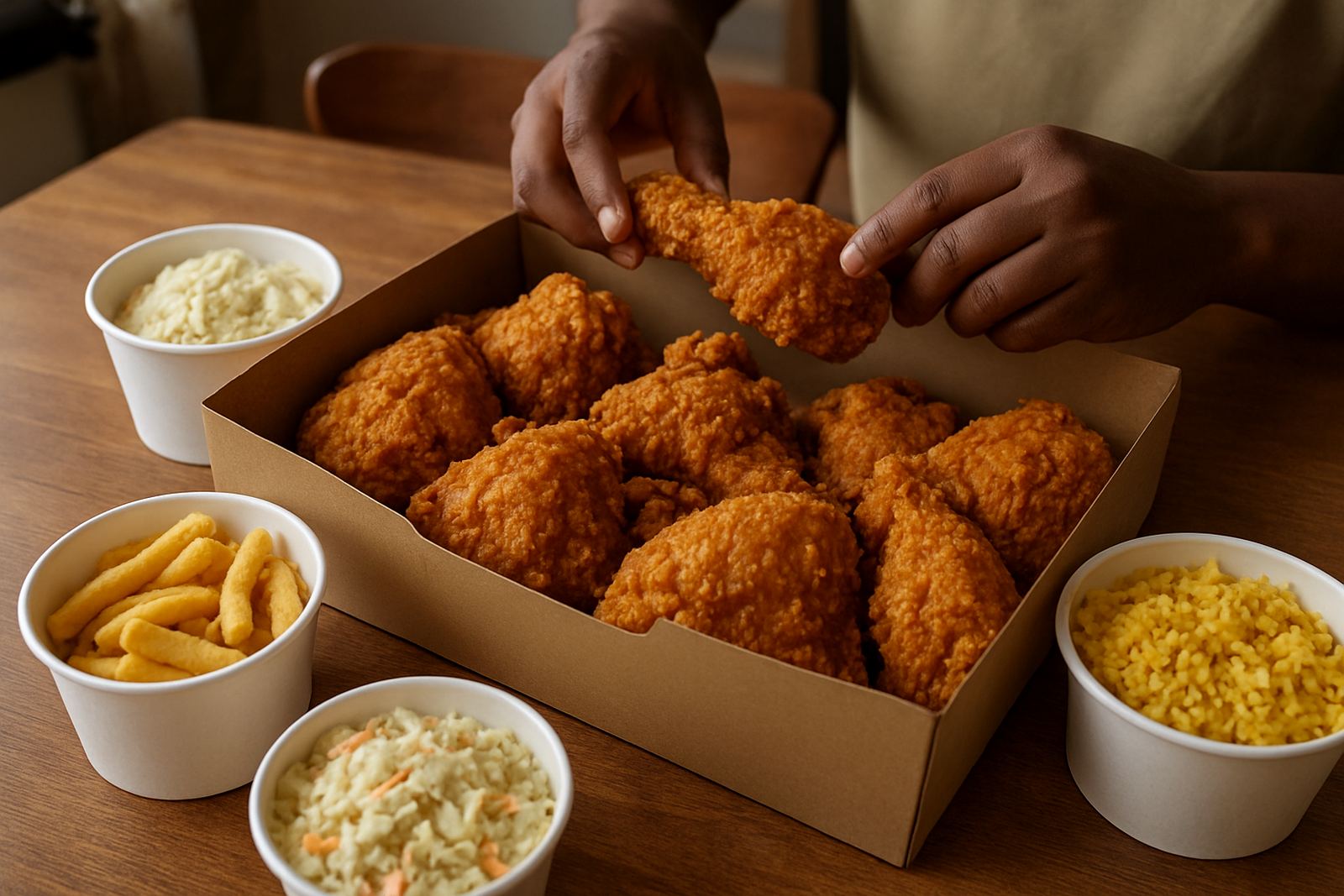
For family meals, the best packs usually include a mix of pieces and sides that suit different appetites. Children may want milder pieces, while adults often ask for a spicy option. A strong family pack gives room for both without forcing everyone into the same order. It also helps when there are grandparents, cousins or neighbours joining in at short notice.
- Choose mixed pieces if your group prefers variety.
- Ask for sides that hold up well, like chips, rolls or simple starches.
- Plan for the extra hand that always arrives at mealtime.
- If you are travelling to Meadowlands or Protea Glen, collect close to serving time.
A local example: feeding six without over-ordering
Take a family in Naledi collecting food for a Sunday afternoon. If each person orders separately, the table can end up with too many small portions and not enough shared sides. Somebody finishes early, someone else is still waiting, and the bill is higher than expected. A family pack changes that. The order comes out as one plan, with enough chicken and sides to be shared properly.
That kind of order also suits shared homes and big family visits. Instead of five people all choosing different combinations, one pack can carry the meal for the group. It is easier to budget, easier to collect and easier to serve. For many households, that is where the real value lies, not just in price but in how the meal fits the day.
- Good for payday weekends when the whole family eats together.
- Useful when visitors arrive and the kitchen plan changes fast.
- Better for budget control than several random add-ons.
- Handy for Soweto Central Reach collections when time is tight.
When weekend prebooking saves both money and stress
Weekend orders can get busy quickly, especially when there are funerals, school events, church groups or family celebrations. Prebooking a family pack helps you avoid the rush and makes sure the meal is ready when you need it. It can also reduce the temptation to add extra items at the counter while everyone is hungry and deciding on the spot.
For larger households, a planned order is often the smarter choice. You know how many people are coming, you know the collection time and you can make sure the food is packed for travel. In places where people move between Orlando West, Meadowlands and nearby collection points, that kind of planning helps a lot. It keeps the meal hot and the budget under control.
- Use collection time slots when you need food ready at a set hour.
- Prebook for weekends to avoid long waits.
- Ask for packaging that suits taxi or car travel.
- Keep the order simple so the kitchen can pack it cleanly and fast.
How to compare value before you place the order
The best way to judge family pack value is to look at the full picture. Count the number of people, the likely appetite of the group and whether you need leftovers for later. Then compare that against buying separate meals. In most cases, a shared pack will give you better food coverage for the Rand, especially when the group includes children or lighter eaters.
It also helps to think about the occasion. A birthday, a church gathering or a school event may need more sides and easier serving. A quiet family supper may only need enough chicken and one or two shared extras. The right pack is the one that matches the moment without waste. That is practical buying, not over-ordering.
- Check how many people you are feeding before you choose the pack size.
- Work out whether the meal must stretch into the next day.
- Choose a pack that suits the occasion, not only the appetite.
- Ask for clear packing if the food is travelling across town.
Why shared meals suit everyday kasi life
Family packs make sense because many meals in Soweto are shared meals. People eat together after work, after sport, after church or after a long day on the road. A good pack keeps that routine simple. It gives you crisp chicken, honest seasoning and enough food to pass around without having to split several small boxes.
For households watching every Rand, this is where value becomes real. Shared packs reduce waste, save time and make the meal feel complete. They are easy to order, easy to collect and easy to serve. When done properly, a family pack is not just more food. It is a better way to feed the people at your table.