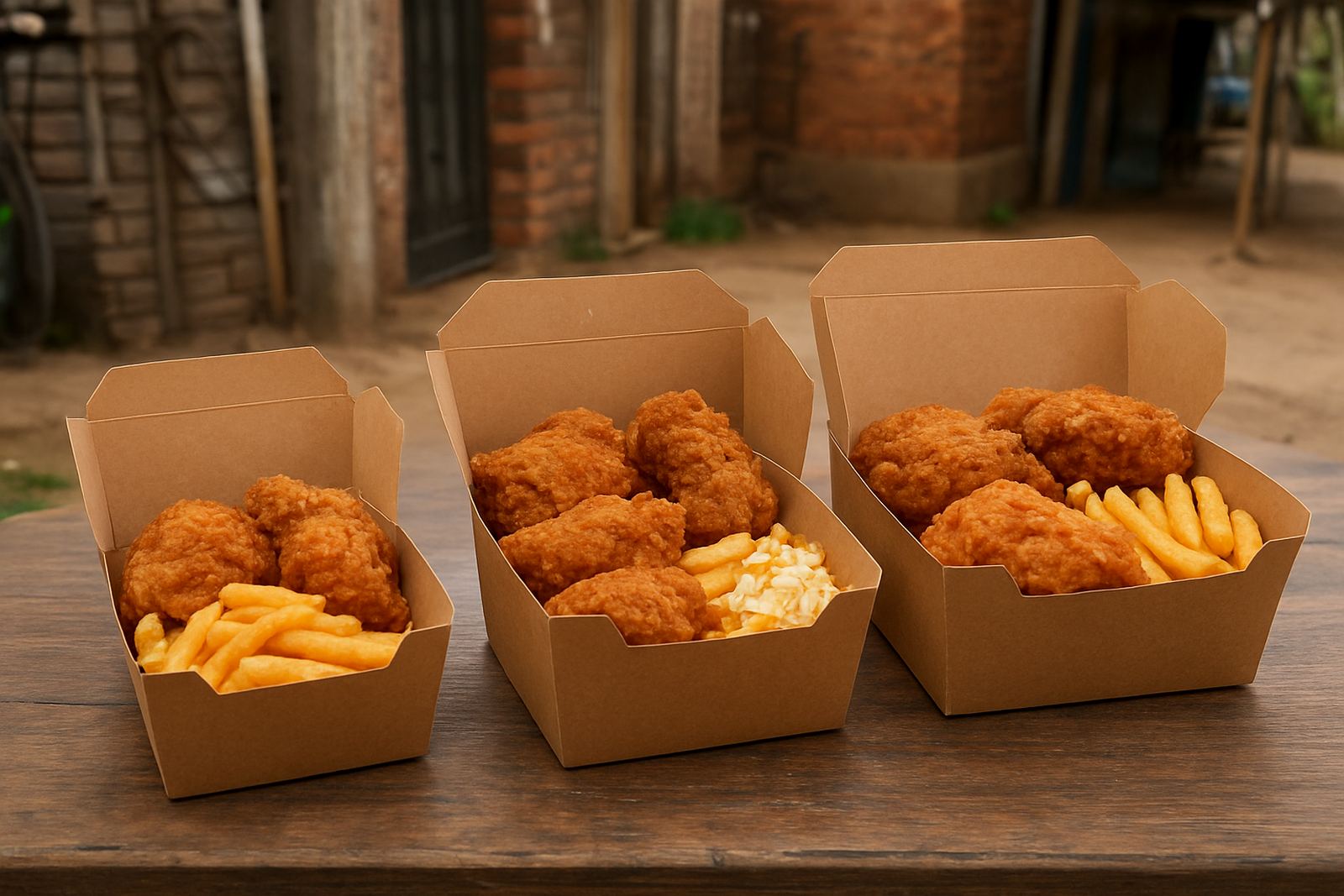

Start with sides that hold their shape
For bigger family orders, choose sides that stay firm from kitchen to table. Starchy items and dry slaws usually travel better than soft, saucy dishes when the box is going from Orlando West to Diepkloof, Meadowlands or further. That matters on a hot day, in load-shedding traffic, or when a tray has to wait for a late cousin or auntie before being opened.
A useful side should still look neat after 20 to 40 minutes in the packet. It should not go soggy, leak, or collapse under the weight of the chicken. If you are ordering for a group, think first about how the food will be carried and where it will be served, not just what sounds nice in the moment.
- Choose firmer sides for long trips or delayed serving
- Keep one dry side in every large order
- Avoid overloading one tray with too many soft items
- Ask for packaging that separates hot chicken from cool sides
The most useful sides for shared meals
The sides that go furthest are the ones people keep dipping into while waiting for the next piece of chicken. They help stretch the meal without making it feel thin. In many kasi tables, that means a mix of starch, crunch and something mild enough for children and older family members.
For value and usefulness, the best pick is usually a side that can be split easily and still feel like part of a full plate. A crowd of 8 people, for example, will usually eat through chicken quickly but will still appreciate a generous side that fills the gaps between servings. That is where portioned chips, pap, rice or coleslaw can help, depending on the order and the time of day.
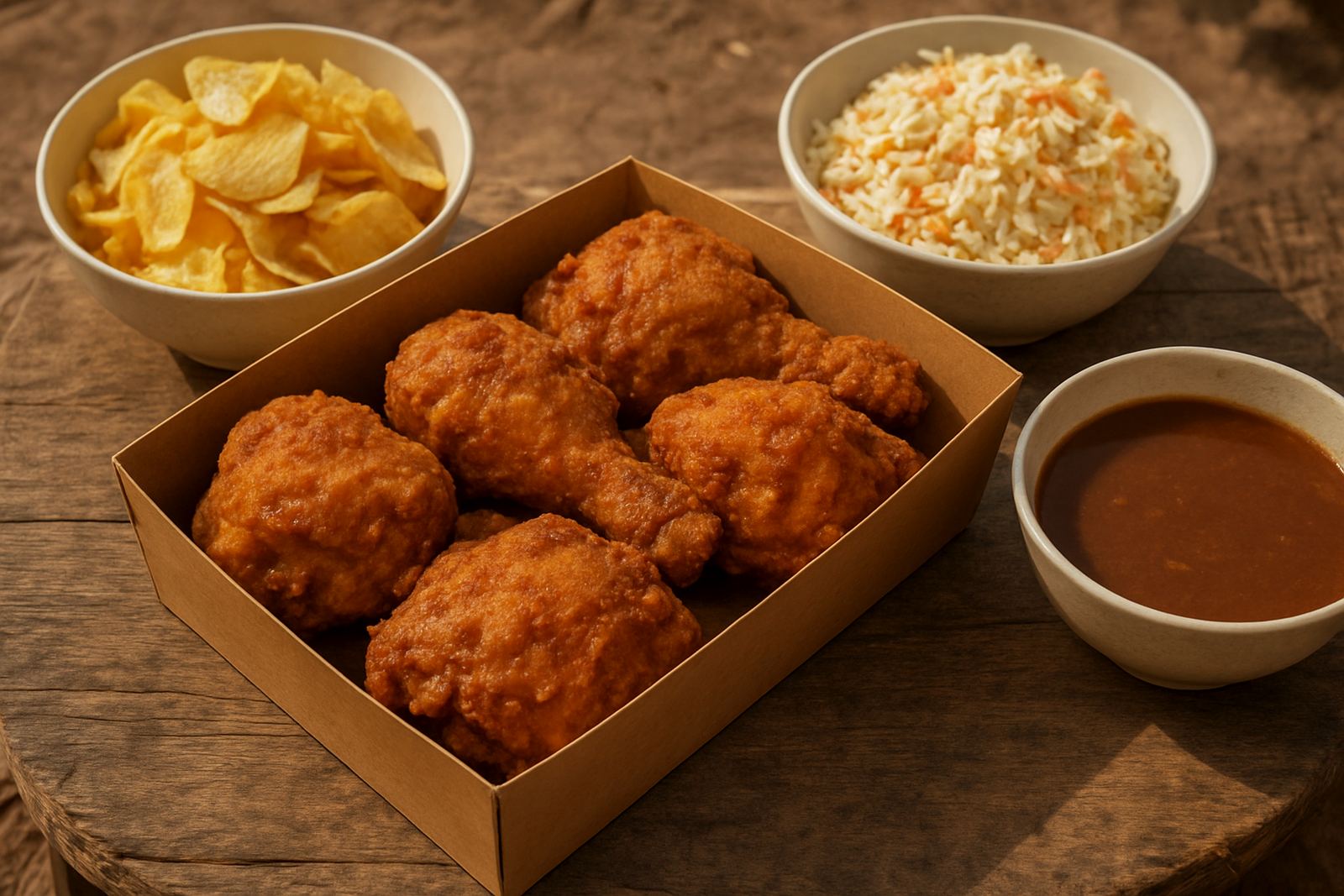
- Chips: best for fast serving and kid-friendly sharing
- Pap or starch: useful for proper meal plates and funeral or church orders
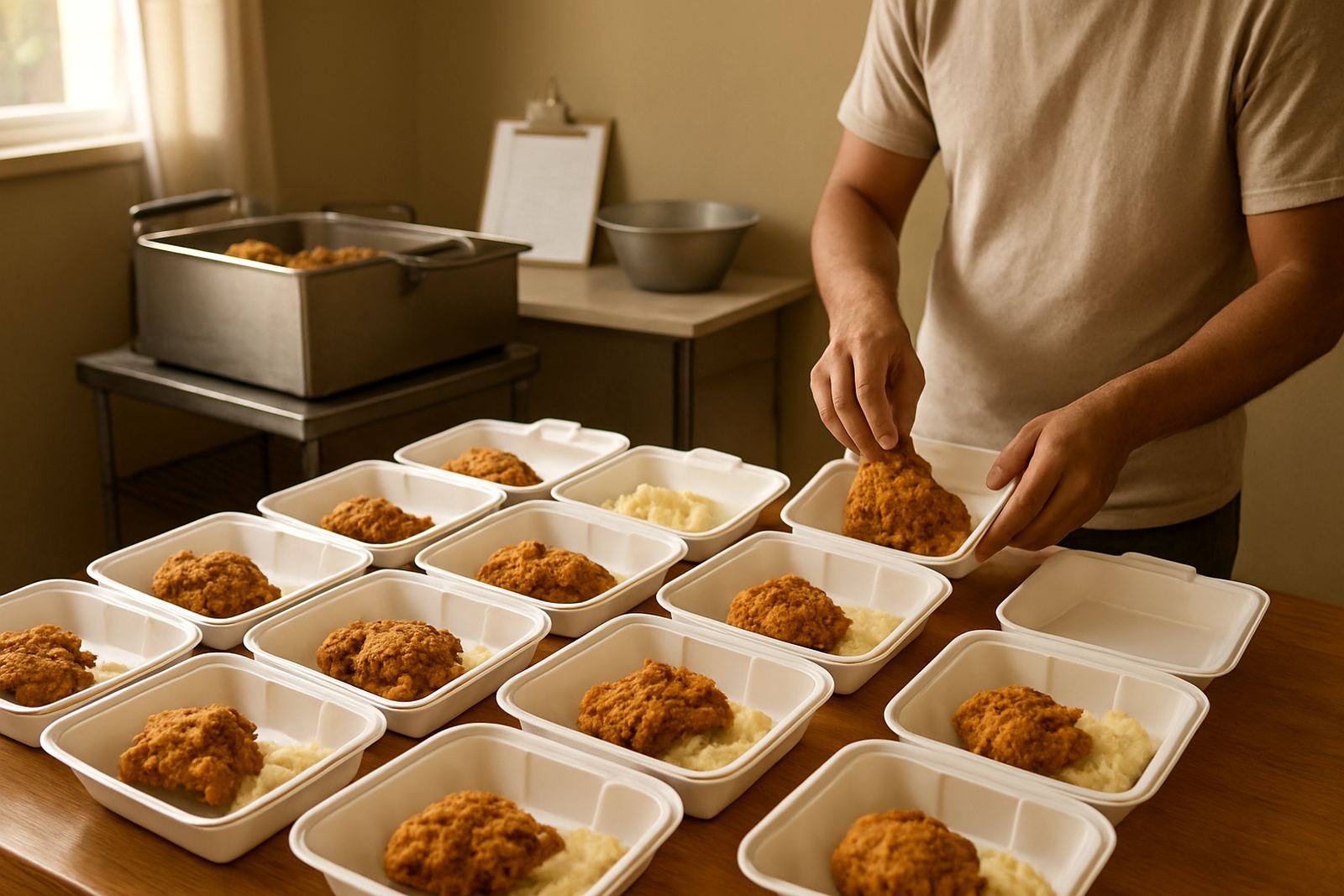
- Rice: good for boxed lunches and set portions
- Coleslaw or salad: adds freshness next to fried chicken
Match sides to the kind of order you are placing
Not every order needs the same side strategy. A weekend family takeaway is different from a school event order, and a funeral support tray is different from a birthday snack pack. The side should fit the event, the number of people and the pace at which the food will be eaten.
For a quick lunch queue, simple chips or rice are easy to issue and easy to eat standing up. For evening family orders, a side that can sit on the table while people serve themselves works well. For church groups, school events and prebooked collections, it is wise to choose a side that can be divided evenly without much fuss. That keeps the line moving and helps avoid arguments over who got more.
- Lunch orders: chips, rice, or a single starch side
- Family takeaways: one dry side plus one fresh side
- Event trays: sides that can be portioned evenly
- Funeral orders: simple, filling sides that serve quietly and neatly
Use sides to stretch portions without wasting food
A good side should help a large order feel complete, not padded out with food nobody wants. If you know the group includes small children, elders or light eaters, it makes sense to use sides to balance the chicken count. That way, everyone gets enough to eat without needing to over order extra pieces.
As a working rule, plan one filling side for every main tray and one fresh side if the meal is being shared by more than six people. If the order will be collected in stages, or if part of it will travel to another street or township, keep the sides separate from the hot pieces until serving time. This keeps the coating crisp and the sides from picking up steam.
- For 4 to 6 people, one main side is often enough
- For 7 to 12 people, use two sides for balance
- For longer trips, keep wet and dry items packed apart
- For mixed ages, include at least one mild side
A handy checklist before ordering sides to share
Before you send in a shared order, check what the side has to do. Is it there to fill plates, calm hunger while people arrive, or make sure the meal travels well across Soweto? Once that is clear, the choice becomes much easier and the order is less likely to be short on the table.
Use this quick check before collection or delivery. It saves time at the counter and helps the kitchen prepare the order in the right way. It also reduces the chance of having chicken that is perfect but sides that do not suit the moment.
- How many people are eating?
- Will the food be eaten at once or later?
- Is the order for adults, children, or a mixed group?
- Will the food travel a short or long distance?
- Do you need one side or two for proper balance?
- Do you need packaging that keeps the order neat in transit?
Serve the sides in the right order
When the order arrives, do not open every packet at once. Start with the sides that need to stay warm and leave the fresh items sealed until everyone is ready. If you are serving from a tray, place the starchy side first, then the chicken, then the cooler items. That helps the meal hold together and keeps the table looking organised.
For larger family takeaways in Orlando West, Dobsonville or Naledi, it helps to assign one person to serve and another to count portions. That small step avoids confusion and makes sure the last person still gets a proper plate. It also keeps the meal moving when people are standing around waiting, which is often the case at weekend gatherings.
- Open hot items last if the table is not ready
- Serve dry sides before wetter sides
- Count portions before everyone starts eating
- Keep extra serviettes and containers nearby for leftovers