
What our chicken strips are made for
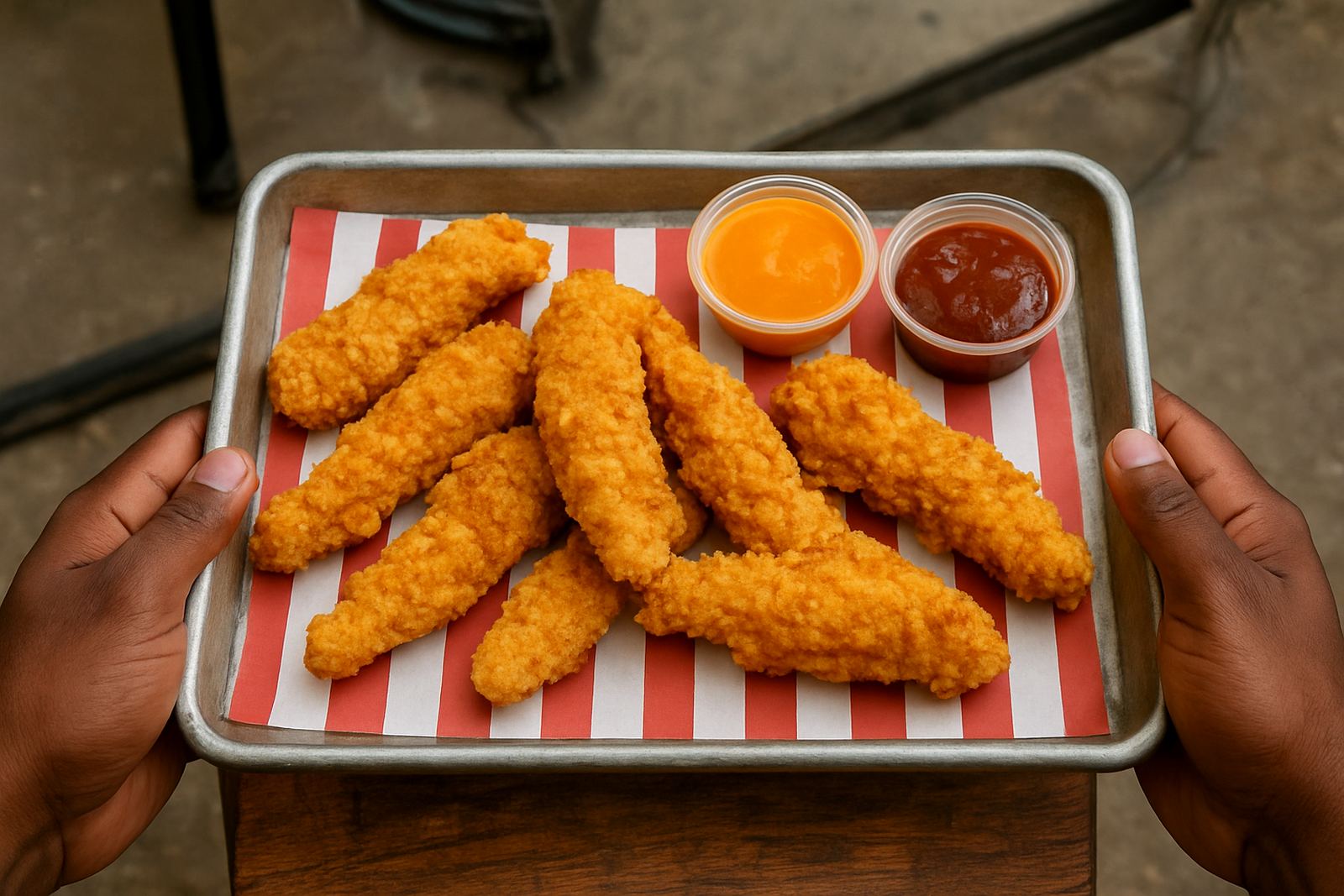
Chicken Strips are the practical choice when you want fried chicken without bones. Each strip is cut from quality chicken portions, coated for a crisp bite and fried until golden, with seasoning carried through the crumb not just sitting on the surface. The result is easy to eat, easy to portion and simple to serve when people are moving quickly at lunch or coming through in the evening after work.
They work well for customers who want less mess and more control over each mouthful. Children can handle them more comfortably, office workers can eat them without slowing down and caterers can plate them neatly beside chips, pap, slaw or rolls. The strips hold their shape well in boxes, which helps on the roads between Orlando West, Diepkloof, Meadowlands, Protea Glen, Dobsonville and Naledi.
Sizes, portions and meal options
We keep the options straightforward so orders move fast. You can buy Chicken Strips as a snack portion, a standard meal portion or a family share pack. For bigger groups, the strip format is useful because it counts easily and serves cleanly without having to separate bones at the table.
- Snack portion: 3 to 4 strips for light eating or a small appetite.
- Regular portion: 5 to 6 strips for lunch or a full single meal.
- Family pack: 12 to 20 strips for shared meals, gatherings or weekend takeaways.
- Meal combo: strips with chips, rice, slaw or a soft roll.
- Event tray: larger boxed portions for school functions, church groups and funeral support orders.
If you are planning for a mixed group, strips are often the safest order because they suit people who like mild seasoning and those who want more spice. You can also split the order with dipping sides, so one tray serves different tastes without extra fuss.
Best uses for lunch queues and family takeaways
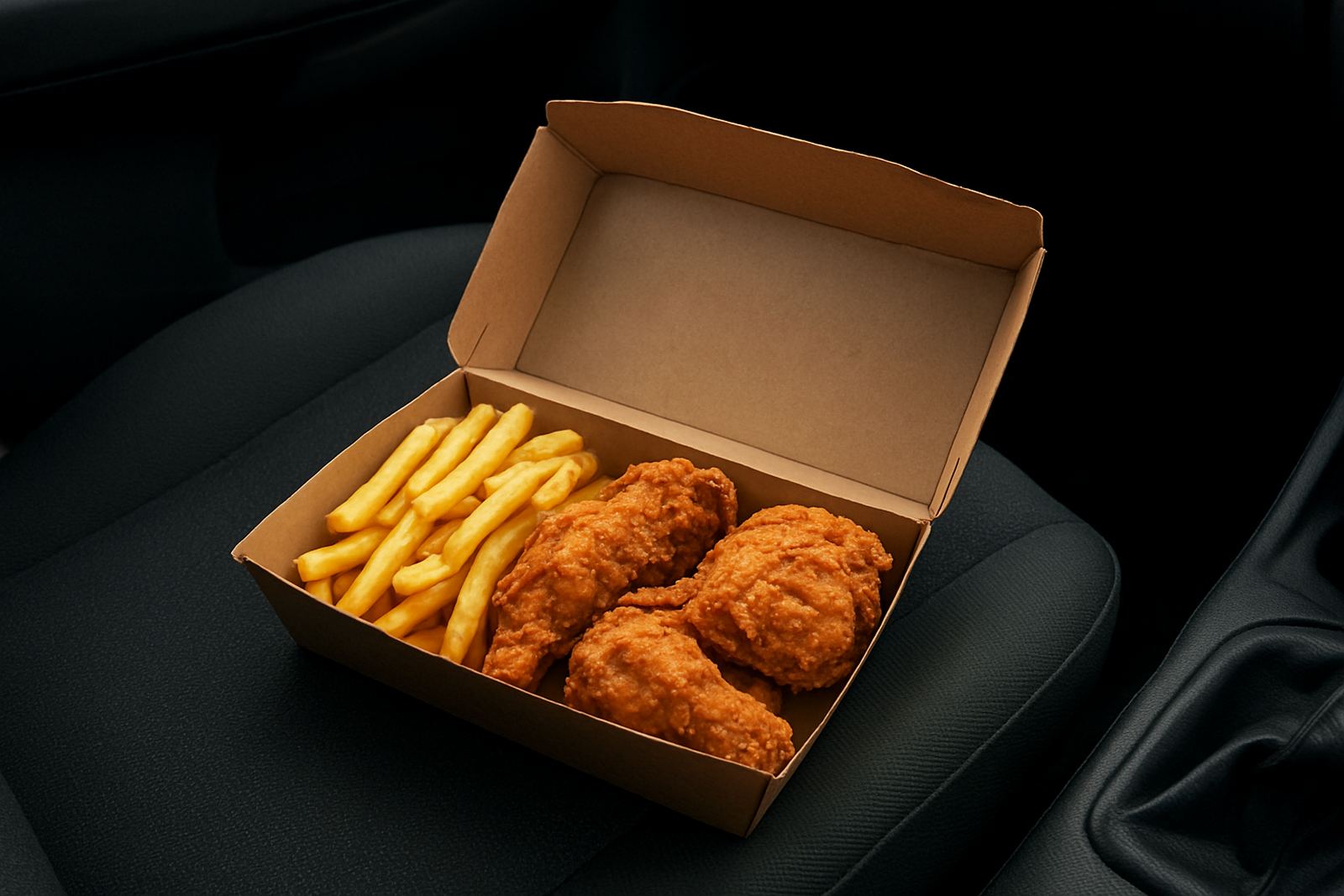
Chicken Strips suit the daily rhythm of kasi meals. They are quick for lunchtime queues, tidy for counter service and reliable for evening takeaways when families are collecting food after school, training or church. Because the pieces are boneless, they are also popular where people need a meal that can be eaten while travelling or shared in the car before getting home.
For catering and special orders, strips are often chosen for groups that need predictable portions. They fit well into boxed lunches, snack packs and party trays, and they keep their shape better than many loose fried items. If you are feeding children, elders or a mixed crowd, the simpler format helps. It means less waste and fewer complaints about bones or awkward serving. That matters when orders are moving through a busy kitchen and the queue is long.
- Lunch queues with fast turnaround
- Weekend family takeaway orders
- Church group collections
- School events and sports days
- Funeral support meals where service must stay calm and orderly
Kitchen requirements, heating and holding
Chicken Strips are prepared in a working hot kitchen, so the main requirement is steady frying heat and safe food handling. They are not a plug-in product and they do not need customer-side installation. In the kitchen, they are cooked in hot oil and held briefly before packing, which means the frying setup must keep temperature even during rush periods. If the kitchen uses gas, the burners must provide stable flame control. If it uses electric equipment, the supply should handle continuous service without tripping during peak times and load-shedding planning should be in place.
For holding and dispatch, the strips should be kept hot enough to stay crisp but not steamed in closed containers for too long. Ventilated packaging helps. If the order is travelling across Soweto in warm weather, the box should be packed so steam can escape a little at first, then sealed for the trip. That keeps the crumb from softening too quickly. In humid or rainy weather, especially near the evening rush, careful packing makes a noticeable difference.
- Needs stable frying oil temperature
- Best packed in vented food boxes for travel
- Can be held for short periods before collection
- Should not sit in trapped steam for long
- Kitchen power or gas supply must support continuous service
Care, freshness and serving standards
Good strips depend on more than frying time. Oil quality, crumb balance and portion discipline all matter. The oil should stay clean and monitored through the day so the coating keeps its golden colour without tasting heavy. Seasoning must be even from the first batch to the last, because customers notice when the morning order tastes different from the evening order. That is especially true on weekends when traffic is heavy and the kitchen is under pressure.
Serving care also matters. Strips should be turned gently, drained properly and packed soon after frying so they do not lose texture. If a tray is being held for a group collection, it should be checked before release for even colour, proper crispness and correct count. A short wait is fine, but the goal is still crisp food and clean packaging, not soggy edges or broken coating.
- Check oil clarity through service
- Drain well before boxing
- Use the correct piece count per pack
- Keep hot items separate from wet sides
- Inspect each batch before collection or dispatch
What to check before placing an order
Before ordering Chicken Strips, think about how many people you are feeding, how far the food must travel and what sides you need. If the order is for lunch, a smaller portion with chips may be enough. For family takeaway, you may need a larger share pack plus extra dipping sauce. For events, the strip count should be based on expected guests not just the headcount, because children and teenagers often eat more than one piece each.
You should also confirm collection time, packing needs and any special note for spice level. If the food will travel to Diepkloof, Meadowlands, Protea Glen, Dobsonville or Naledi, ask for travel-friendly packaging and allow enough time for collection so the food leaves hot and neat. When ordering for groups, give clear details about the number of adults and children, whether the strips must be separated into smaller boxes, and if there are any delivery or collection time slots to keep to. That makes the handover smoother and avoids last minute problems.
- Number of people and expected appetite
- Portion size and whether it is for snack or full meal
- Distance and travel time after collection
- Spice preference and dipping needs
- Boxing requirements for group or event service
Specs and handling notes
Chicken Strips are designed for easy serving in a busy South African kitchen. They are boneless, neatly cut and suitable for single meals or larger catering orders. For everyday use, that means less waste, faster serving and cleaner plates. For event work, it means predictable counting and easier packing. The strips are best enjoyed hot, with a dip or side that suits the seasonings used in the crumb.
If you are ordering for a household or a group, the safest approach is to choose the portion size that matches how the food will be eaten. Children and older guests often prefer smaller packs. Workers and students usually want a fuller meal. Families sharing at home may want a mixed order with chips, pap or rolls so the strips stretch further. Straightforward food is often the easiest to get right, and that is what these strips are made for.
Key facts
| Product type | Boneless fried chicken strips |
|---|---|
| Cut style | Handy finger-length portions for dipping and quick eating |
| Coating | Crisp seasoned crumb with golden finish |
| Portion sizes | Snack, regular meal, family pack and event tray |
| Serving temperature | Best served hot and freshly packed |
| Use cases | Lunch queues, family takeaways, boxed lunches and catering orders |