
Start with the group, not the chicken
The right choice depends on who is eating, where they are eating and how long the food must travel. A church group collecting in Orlando West before a service has different needs from a family order going to Dobsonville for a birthday, and a school event in Meadowlands is not the same as a Friday lunch queue with workers counting every minute.
Sharing trays suit moments where people are seated together and can serve themselves without delay. Individual boxes work better when you need clear portions, easier counting and less handling. In Soweto, that matters when people are moving between taxis, yards and halls, or when food must stay tidy from the counter to the table.
Why sharing trays work for fast group serving
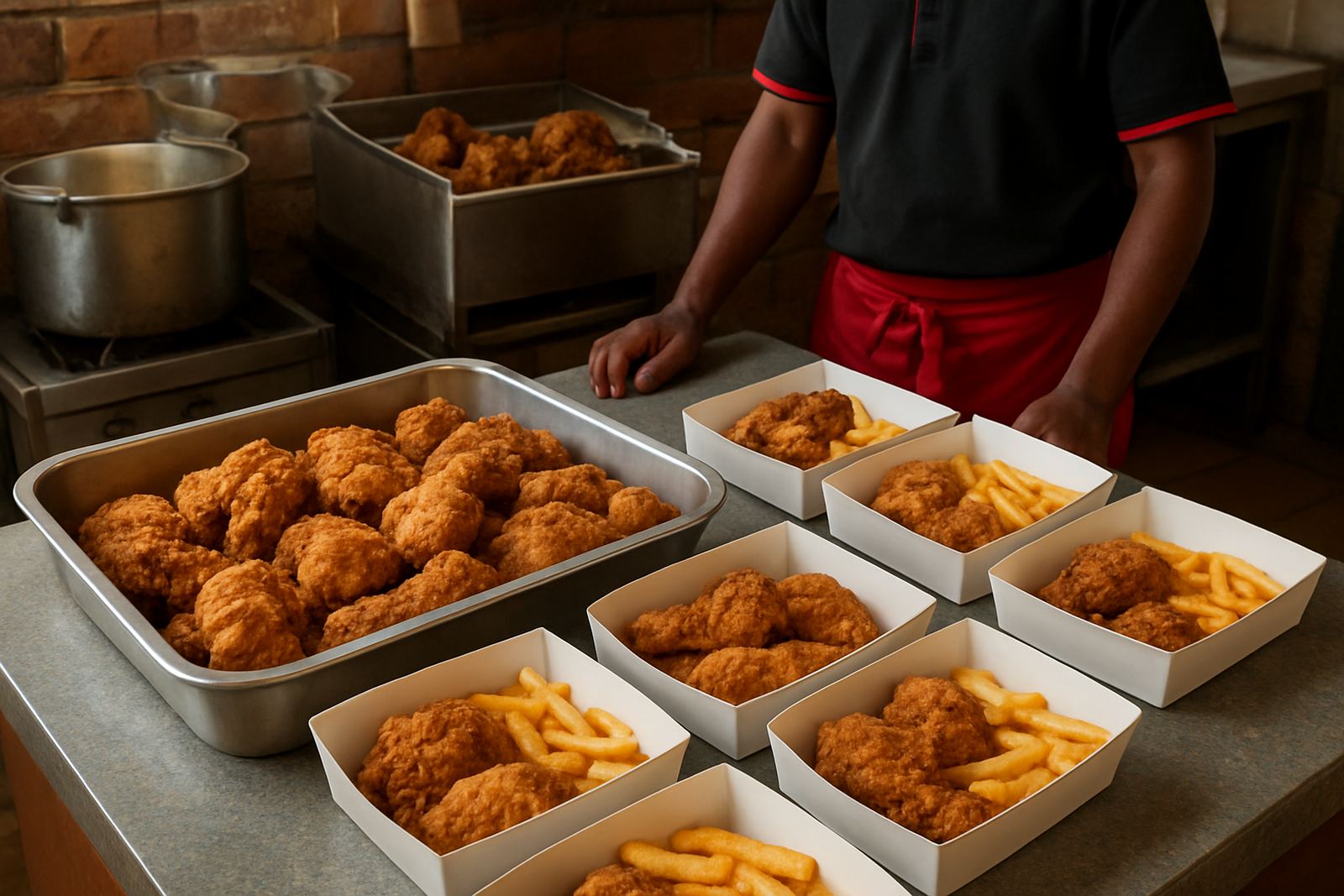
Sharing trays can keep service moving when time is tight and everyone is eating at the same place. The food is laid out once, the sides are placed beside it, and the group takes what they need without waiting for each box to be packed one by one. For a Sunday family gathering in Protea Glen or a funeral meal in Naledi, this can save time at the point of collection.
They also make sense when the menu is simple and the group is comfortable serving from one point. If you are feeding 12 to 20 people and the order is mostly chicken, chips and slaw, a tray can reduce extra packaging and make setup easier. It is still important to keep portions even, so the last person is not left with scraps and the first person does not take too much.
- Good for shared tables and hall serving
- Useful when one person is in charge of the food
- Helps with faster handover at collection
- Works well for same place, same time eating
Where individual boxes make life easier
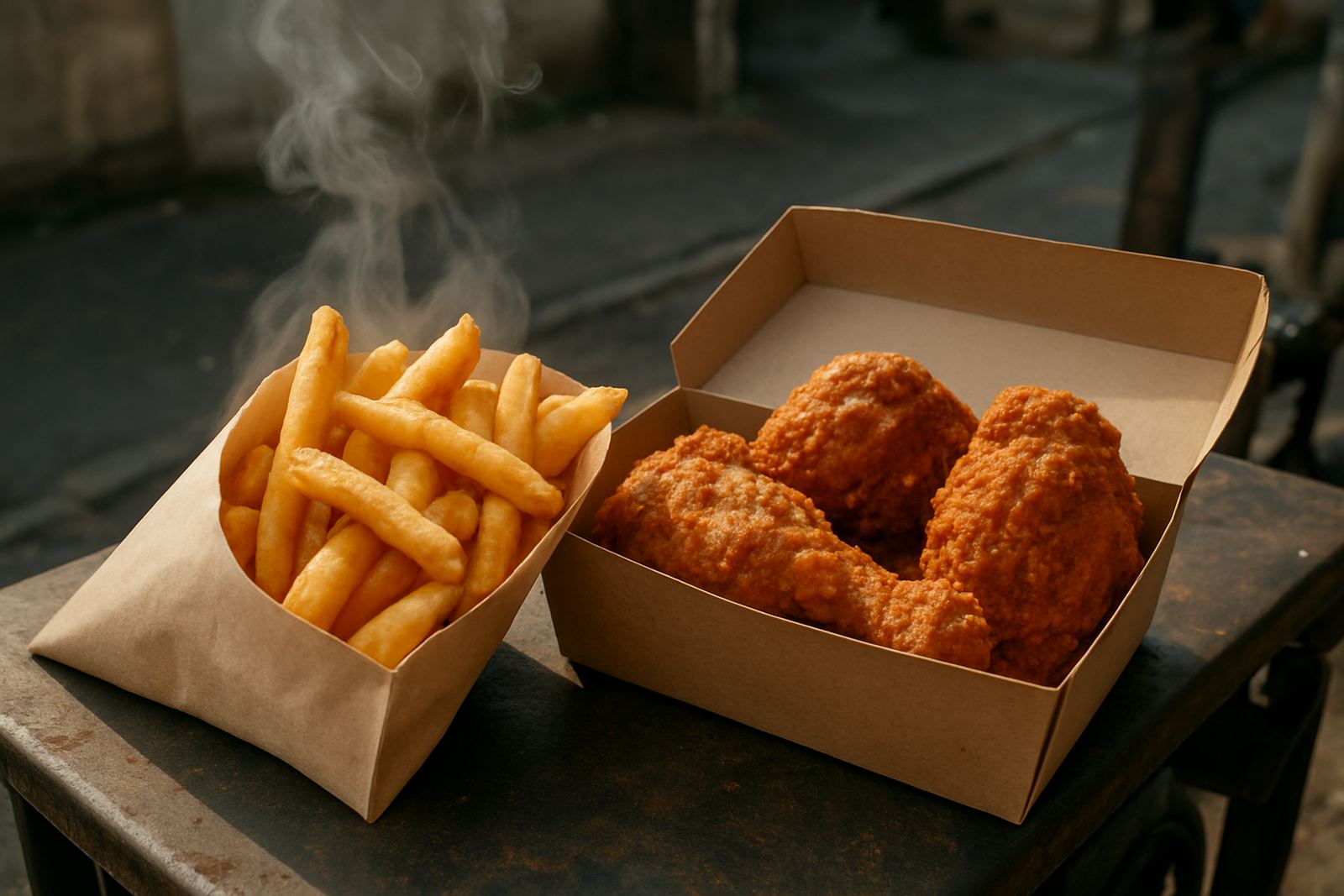
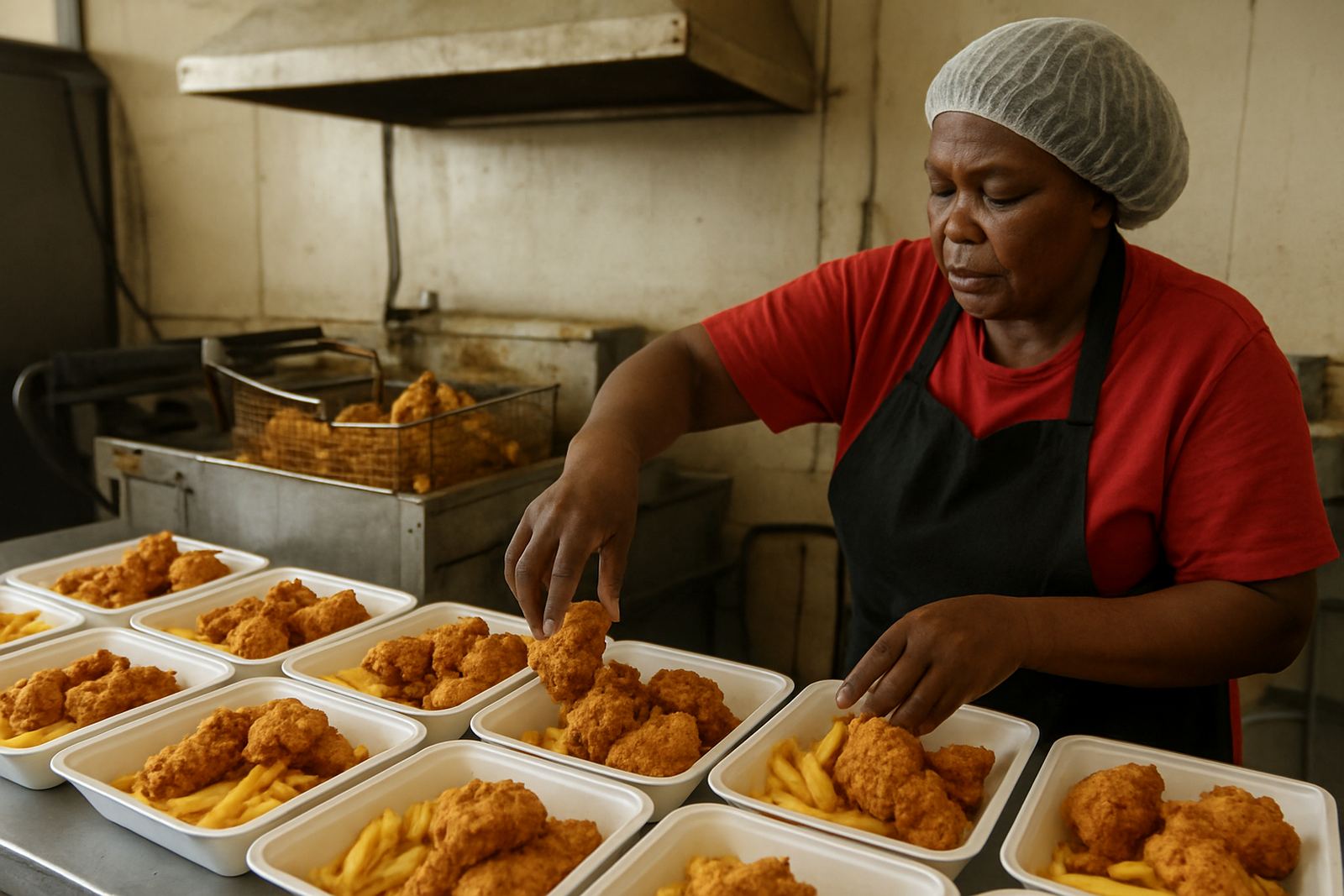
Individual boxes are the cleaner option when people will be eating in different places or at different times. Each box carries its own portion, so nobody has to guess how much they will get. That helps at offices, school events and roadside pickups, especially when the order is going to different homes across Soweto.
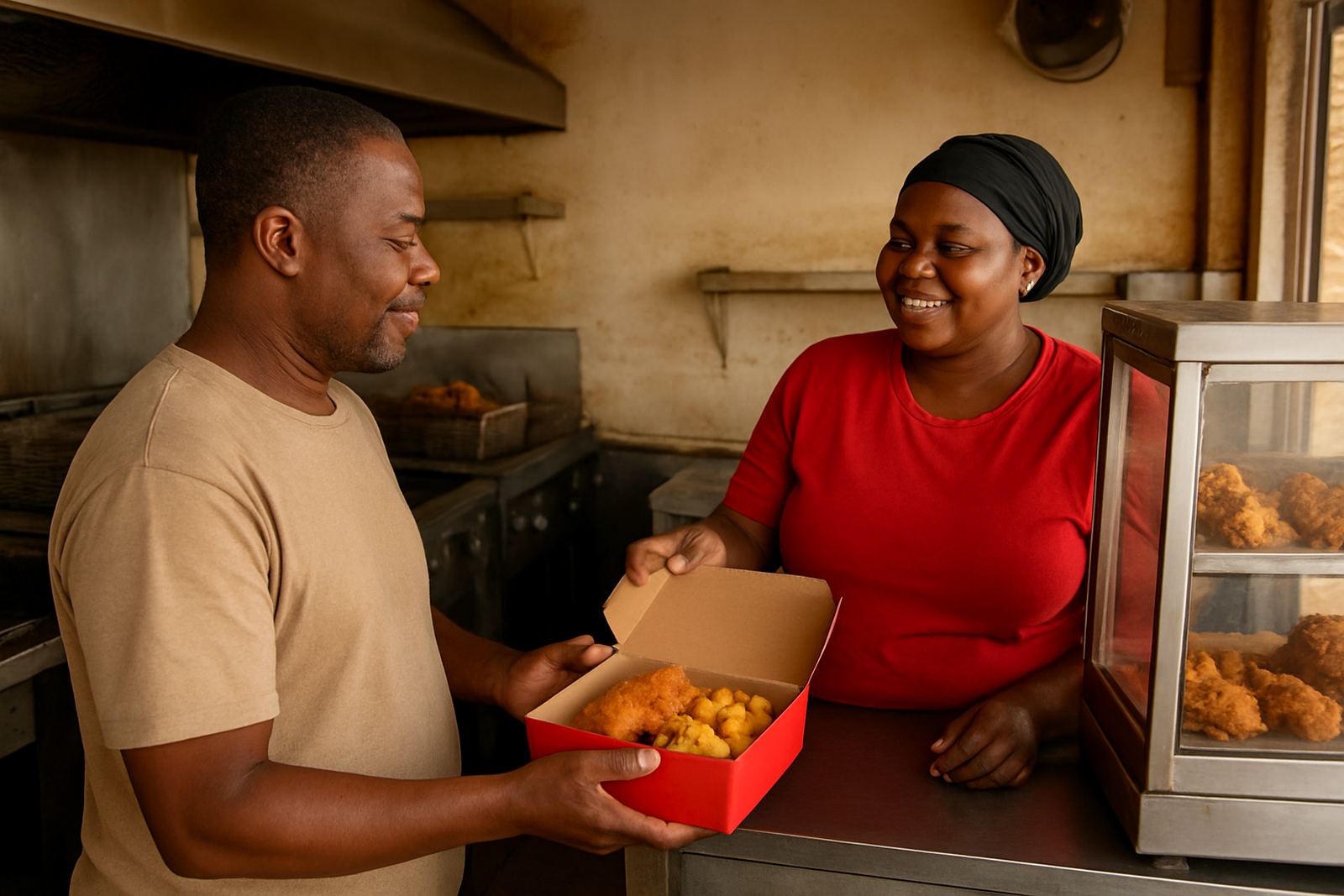
For lunch queues and catered meetings, boxes also keep serving orderly. You can count them easily, hand them out one by one, and avoid confusion when there are children, elders and adults all in the same group. If someone needs a spicy option and another person wants classic seasoning, boxes make it simpler to separate the order from the start.
- Better for mixed ages and mixed preferences
- Cleaner for transport in a car boot or delivery bag
- Easy to count for paid groups and organisers
- Useful when people will not eat at the same time
What cleaner serving looks like on the day
Cleaner serving is not only about the food itself. It is also about how the order is packed, who collects it and how far it must travel. In Orlando West, a tray can move well if it is going straight to a nearby yard or hall. For a trip to Diepkloof or Meadowlands, individual boxes often stay neater because each portion is sealed and handled less.
Heat, traffic and stops along the way all affect the final result. If the order will sit in a taxi rank, a church foyer or a school office before serving, packaging matters. Boxes usually travel better when there are sauces, sides and mixed portions. Trays are strong when the destination is only a few minutes away and the food will be plated soon after collection.
Think about these points before you choose:
- How long the food will be in transit
- Whether people will eat together or separately
- If the organiser needs easy counting
- Whether sauces and sides must stay separate
- If the serving area has enough space for a tray
Local example: a weekend order in Soweto
Take a Saturday order for a family function near Soweto Central Reach. If the group is big, the host may want a tray for the main table and boxed meals for the children and older relatives who will arrive late. That mix is often the best answer. The tray gets the first round out quickly, while the boxes stay ready for people who need to eat later or take food home.
The same thinking works for a church group from Dobsonville or a school event in Naledi. When the organiser is juggling people, chairs and timing, boxed meals keep the handover calm. But if the group is seated in one place and the aim is simple shared eating, a tray with carefully counted pieces can be faster and easier. The key is matching the format to the crowd, not forcing one method for every job.
How to choose before ordering shared or boxed meals
If you are not sure which format to choose, start with three questions: how many people, where they will eat, and how much movement there will be after collection. A group of 8 to 10 people heading home in separate cars usually benefits from boxes. A group of 15 gathered around one table may do better with a sharing tray and a few extra sides on the side.
For family takeaways, funeral order support and church group orders, planning early helps. It gives time to set collection slots, count portions and keep the food ready for the right time. That matters in busy hours, and it also helps avoid unnecessary waste. Food should arrive with the same care it left the kitchen with, whether it is going to Orlando West, Protea Glen or Nearby Collections.
- Choose sharing trays for one table, one meal, one serving point
- Choose individual boxes for counting, travel and mixed preferences
- Mix both when the group has different needs
- Book ahead for weekends, school events and funeral meals
In the end, the best format is the one that keeps the food hot, the serving calm and the organiser under less pressure. That is where practical packing matters as much as seasoning.